El Ché's network
Anarchs
The Paris Anarch network gathers around El Ché, Francis Tenard. He arbitrates more than he rules: its members retain their disagreements, methods and broad autonomy.
The Paris Anarch network does not reproduce the Camarilla in miniature. El Ché is its point of arbitration and its figure of legitimacy, but each of his five allies holds a skill the group genuinely needs. None is merely a lieutenant.
They work together because their interests converge. Each can say no and give Anarchy a different meaning. This fragility prevents local authority from too easily becoming another court.
- Nature
- Decentralised network
- Position in Paris
- Dissident presence
- Public figure
- El Ché
- Organisation
- Six interdependent skill sets
El Ché's authority
Francis Tenard brings people together and decides when a choice must be made quickly. His authority rests on relationships built, risks accepted and his ability to keep people around him who have no desire to obey blindly.
Malko recognises him as leader only in an emergency. Sève trusts him without obeying him. Nox finds some decisions too visible. Père Zéro considers his distrust healthy. Nine contradicts him openly, and he allows it.
Politics on the ground
The core reads several versions of Paris at once: wastelands, forgotten passages, working-class districts, cultural scenes, collective beliefs and digital traces. It provides temporary havens, negotiates passage, builds cover and spots stories threatening the Masquerade.
This distribution slows decisions but prevents one arrest or defection from taking down the whole. The network is held together less by continuous territory than by contacts and people able to move a solution quickly.
What they defend
Their minimum agreement is practical: a Kindred should be able to live without asking an elder's permission to cross every street. Beyond that, their differences are real, between practical continuity, negotiation, protection of networks and political redefinition.
They take the Masquerade seriously, not out of loyalty to the Ivory Tower, but because modern surveillance does not care about political declarations. A compromised camera or witness endangers everyone.
Relations
The Camarilla is the principal political opponent, but intermediaries negotiate when local interests require it. The Second Inquisition imposes shared caution. Refusing Villon does not mean accepting the Sabbat's religious war.
Relations with independents, Caitiffs and Thin-bloods vary by district. Malko seeks a workable agreement; Nine asks what traces it will leave; Nox checks whether its story holds together.
Figures
Brujah / Central figure and arbiter
El Ché / Francis Tenard
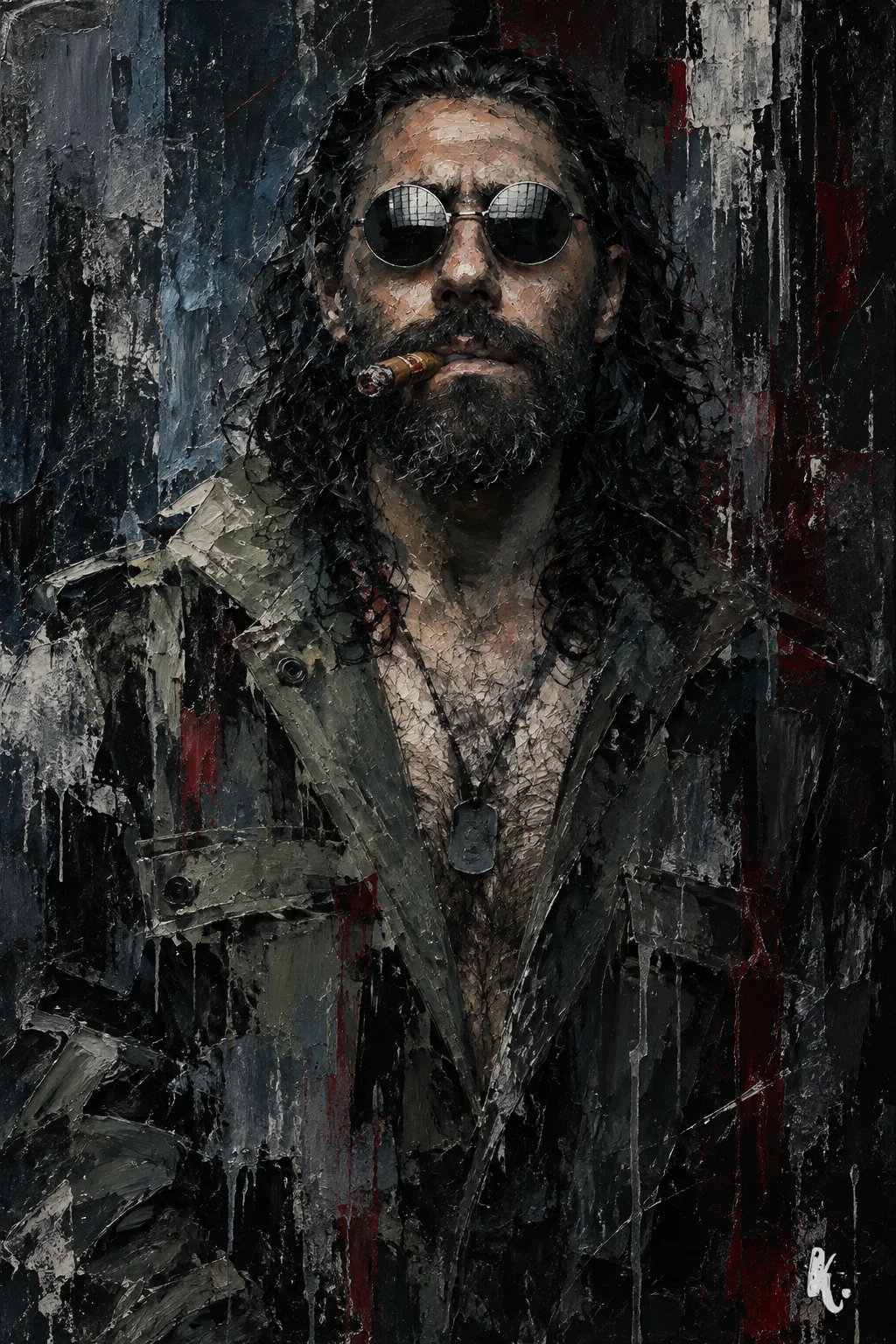
He gathers people, decides in emergencies and carries part of the movement's legitimacy. His power depends on people competent enough to resist him.
Gangrel / Territory, havens and logistics
Sofia « Sève » Marek
A former landscape gardener and parks technician, she reads Paris through parks, wastelands, railway lines, embankments and service routes. She prepares safe routes and despises resisters who mainly want to be seen.
Brujah / Negotiation and local diplomacy
Malik « Malko » Benacer
A former specialist educator who later became a trade unionist in the voluntary sector, he is political but distrusts slogans. He talks to independents, Anarch crews, Caitiffs, Thin-bloods and, when necessary, Camarilla intermediaries.
Ravnos / Identities, cover and access
Mirela « Nox » Drăgan
With a background in events, she understands who truly controls a room. She builds plausible events, finds contacts and creates social cover.
Sacerdoce / Mediation and careful recruitment
Elias « Père Zéro » Khoury
Trained in philosophy and the history of religion, he sees every authority as a collective story. He does not seek the dissatisfied but those who have already stopped believing.
Brujah / Media and digital traces
Jeanne « Nine » Morel
A former local journalist, she retains a network of photographers, council workers, activists and lawyers. Methodical and sceptical, she quickly spots a story becoming dangerous.
What Paris says
El Ché may refuse the title of Prince because he knows the price of titles too well.
The network may be larger than it claims, or more fragile.
Some havens attributed to the Anarchs may be used for a single night only.
The Court may tolerate El Ché because it fears whoever might follow him even more.