Public register / Paris
PARIS
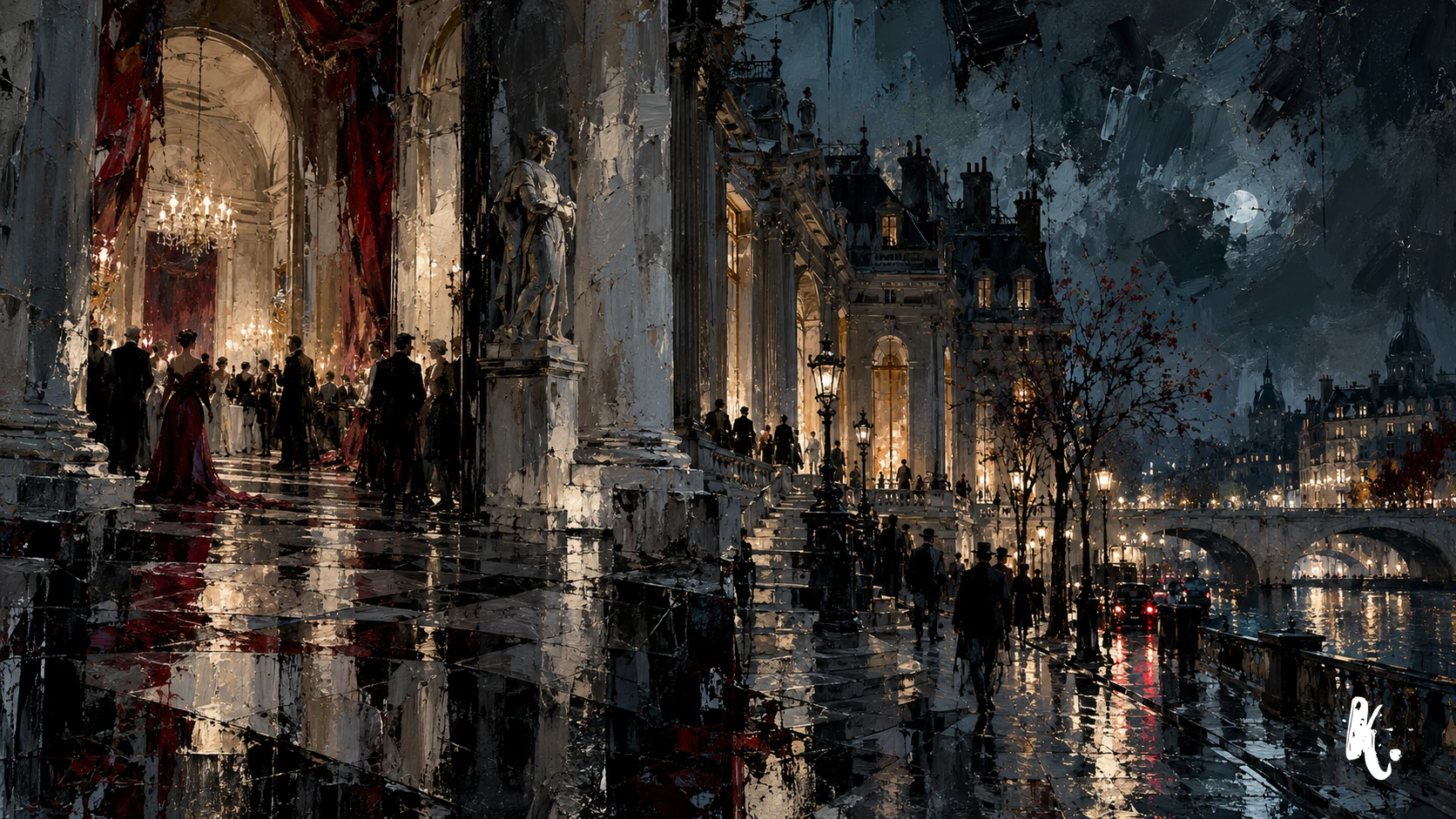
Paris, July 2025: an old Praxis governs a contemporary, dense and documented city. Its Kindred do not survive by erasing every trace, but by giving their presence a plausible human explanation.
- Bourgs
- 07
- arrondissements
- 20
- public landmarks
- 39
01 / Political geography
Seven territories, seven responsibilities
Usually, the murmur rising from Paris by day is the city speaking; by night, it is the city breathing; here, it is the city singing.
01 / Paris by night
The capital of the French night
Paris remains the political centre of the French Hegemony. François Villon rules there as Prince of Paris and Roi de France, surrounded by a Council of eight Primogen, long-standing offices and territorial authorities. His reach extends beyond the administrative limits of the capital without erasing the powers that exist elsewhere: the Marquisates, Brittany, Marseille and Occitanie each maintain relationships with Paris shaped by recognition, caution, debt or resistance.
The prestige of the Court does not mean that every street answers directly to the Prince. Parisian power travels through audiences, reputations, favours and the ability to make someone answer for an incident. An order carries weight only when an institution can transmit it, a Bourg can enforce it and Kindred are prepared to bear its consequences.
02 / Paris by night
Seven Bourgs, twenty arrondissements
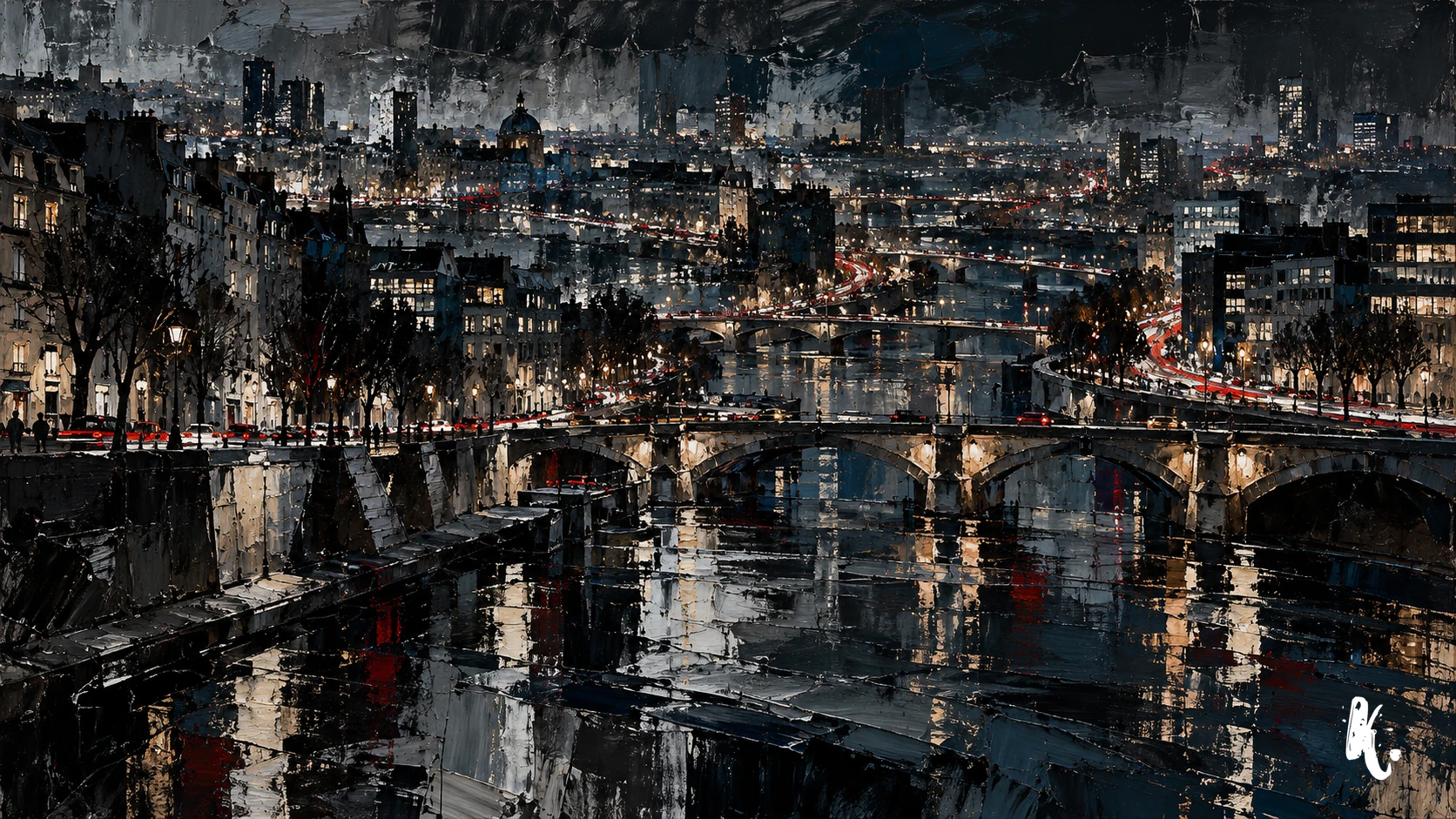
The twenty arrondissements are divided among seven Bourgs. This political map overlays the human city without replacing it. Each Bourg brings together districts, customs and interests close enough to fall under one territorial responsibility. Its Bourgmestre arbitrates local affairs; its Keeper answers for Elysium whenever the Peace of Paris is received within the territory.
A Bourg is neither an independent princedom nor the property of the person who governs it. Personal Domains, clan networks, human institutions and daily movement cross its boundaries. Above all, the map tells Kindred which door to knock on when a hunt spills over, a haven draws attention or a dispute threatens to become the concern of the whole city.
03 / Paris by night
Abundance under observation
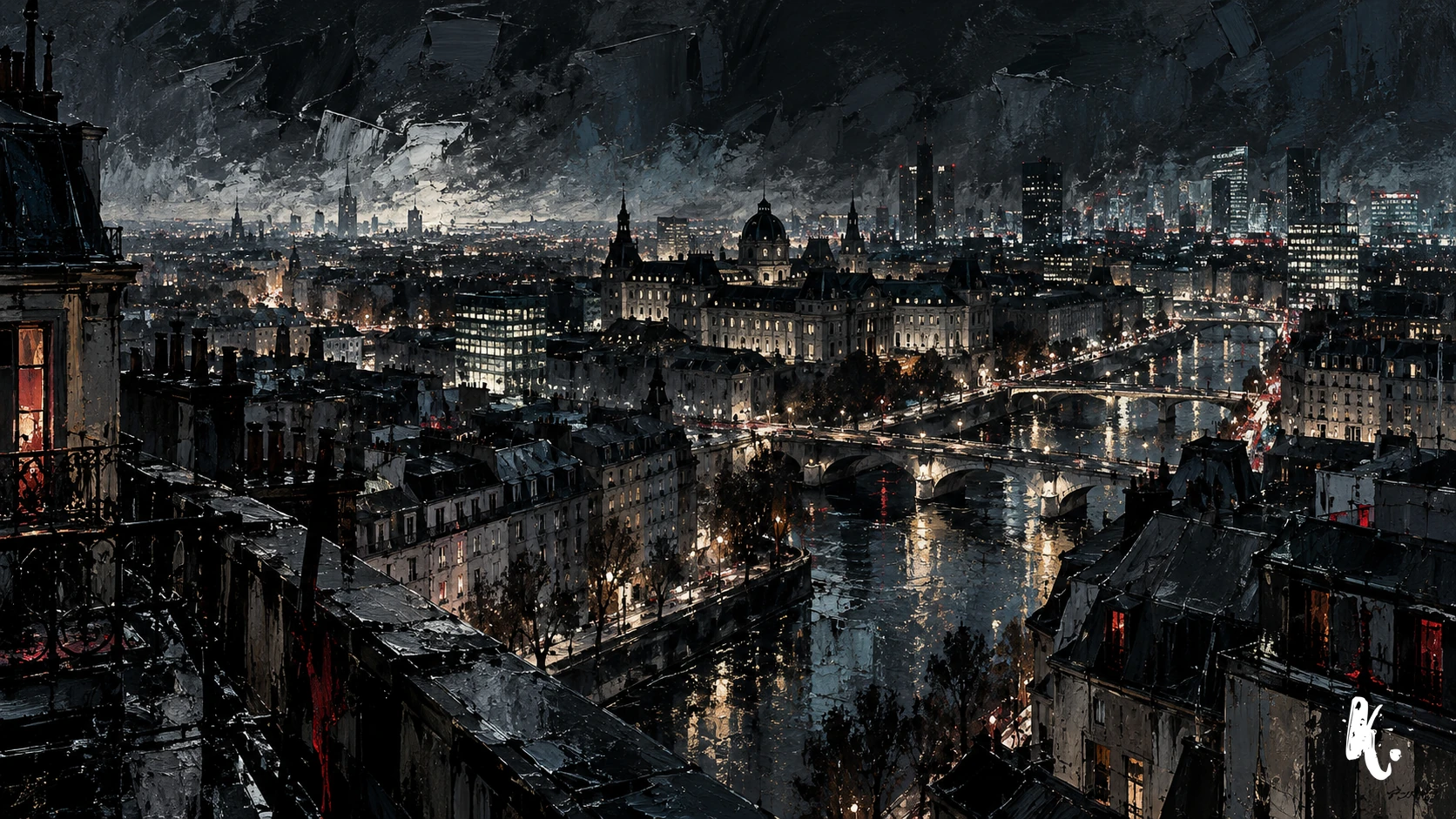
Human density makes Paris an immense feeding ground and a patient trap. Residents, travellers, tourists, students, night staff and the first morning workers provide constant opportunities. They also produce memories, messages, payments, bookings and images. A crowd may conceal a face; it does not guarantee that the same face will never reappear in a file.
The modern Masquerade therefore depends on plausibility. A nocturnal presence needs a human reason, a journey must fit a credible rhythm, and a mistake must be able to remain an ordinary incident. Most systems that record Paris are not looking for Kindred. They become dangerous when several anomalies begin to tell the same story.
04 / Paris by night
Institutions that move
The Praxis endures through distinct offices. The Prince holds general authority. The Council makes clan interests and fault lines visible. Bourgmestres answer for territories. The Prévôté and Milice intervene when consequences exceed local arrangements. None of these powers is sufficient alone, and their overlap creates conflict as readily as stability.
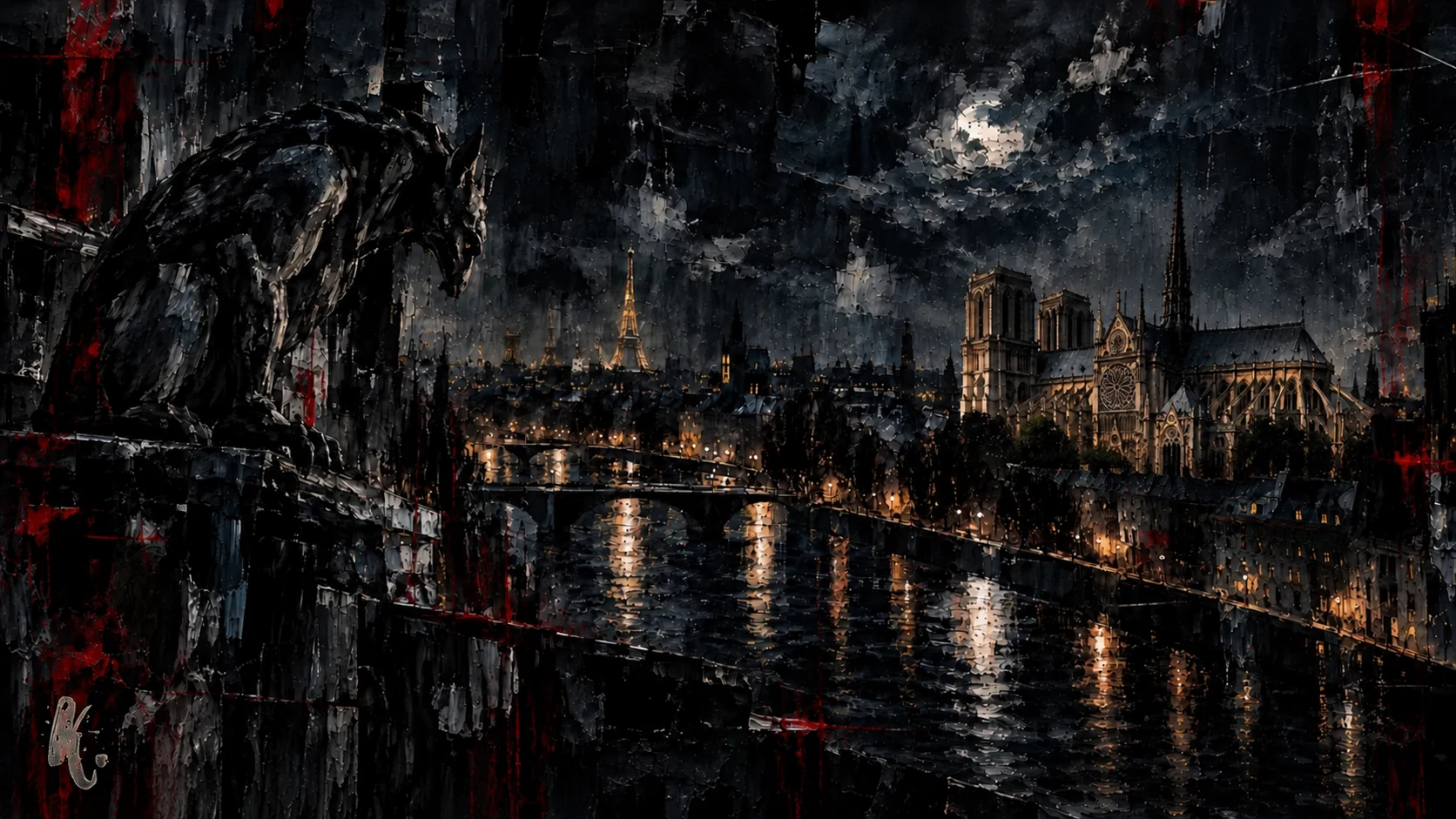
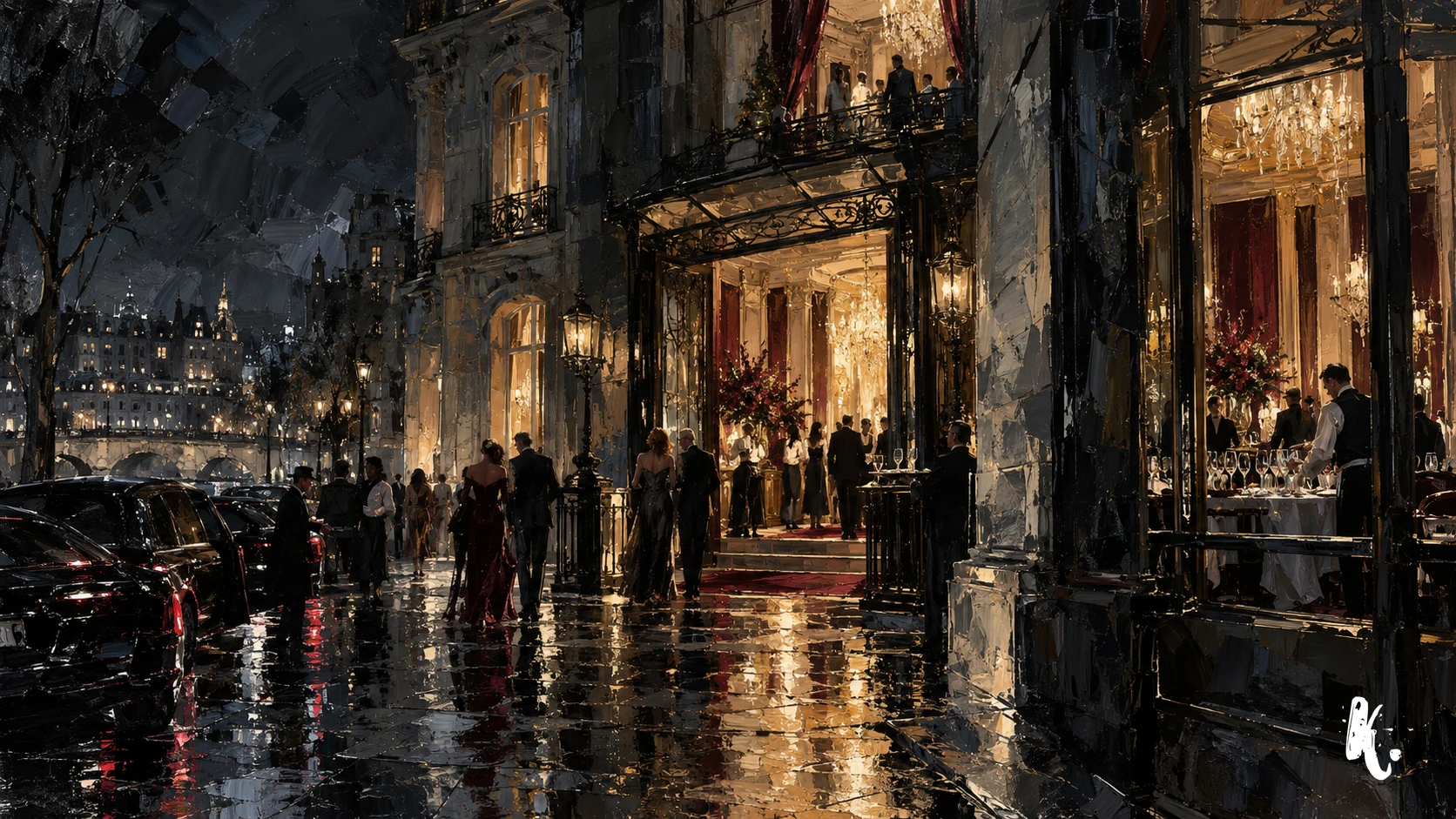
Elysiums embody this mobile organisation. Paris no longer offers its enemies a permanent centre that can simply be watched. A place temporarily receives the Peace of Paris under the authority of a Keeper, then returns to its ordinary use. The institution remains; the address changes. A guest must know the rule, respect the place and understand that their conduct implicates those who admitted them.
05 / Paris by night
History has not left the streets
Two millennia of power have left habits, names, debts and places whose meaning outlives their owners. Age grants prestige, but it can also become a dangerous habit. An institution that survived several regimes must now contend with access badges, cameras, databases and neighbours able to document an entire night without understanding what they saw.
The Second Inquisition destroyed the belief that power alone could protect Paris. London fell; Marseille remains a French warning. The capital still holds because it adapts, compartmentalises its information and changes its habits before they become fixed targets. It remains wealthy, influential and dangerous. It can no longer ignore its own vulnerability.