Paris / Public register / Peace of Paris
Elysiums
In Paris, an Elysium comes under a particular authority for the period in which it receives the Peace of Paris. It does not thereby become the political property of the Bourg that hosts it.
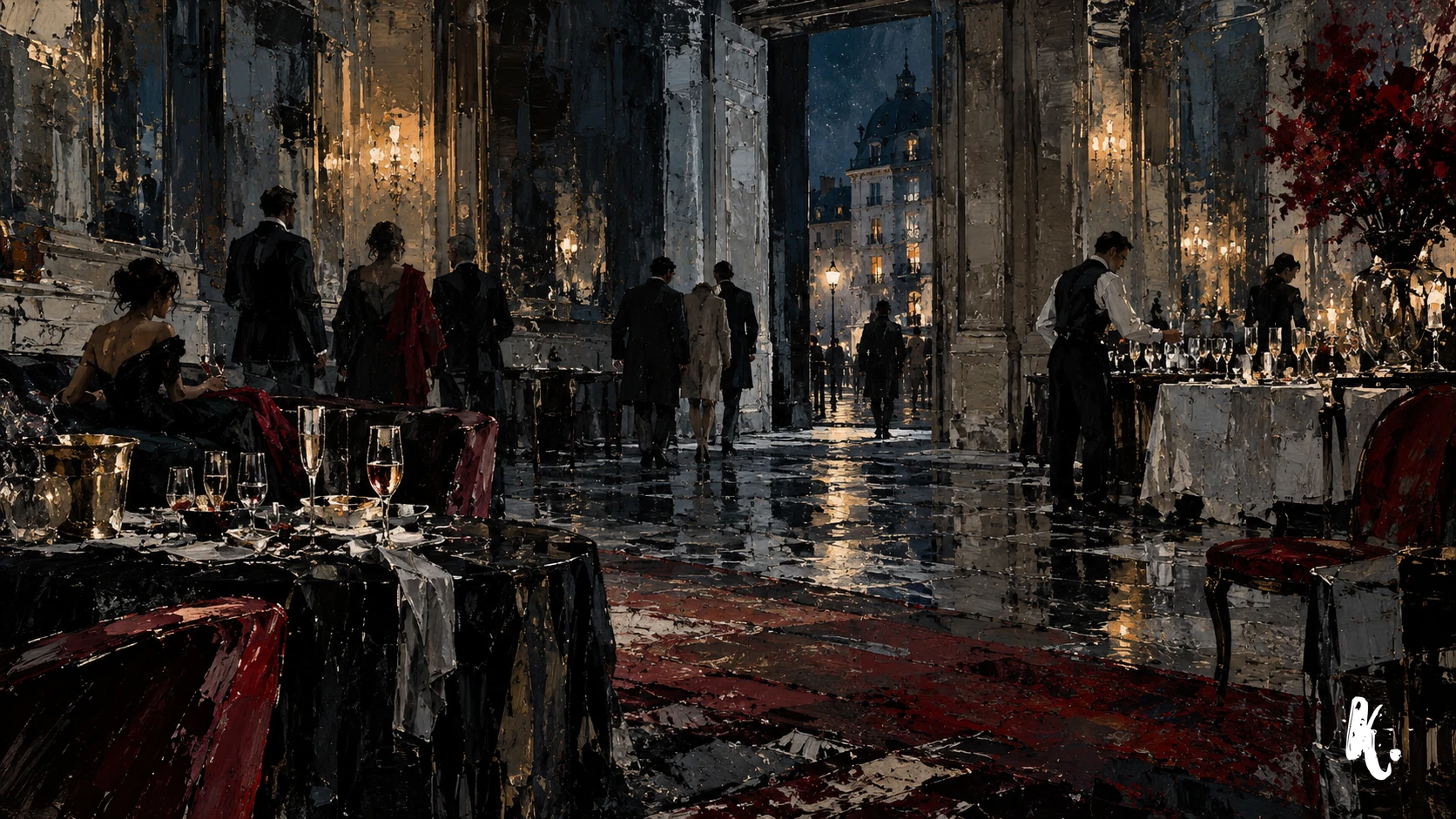
01 / Elysiums
An institution in a place
Elysium allows meetings that require common protection: an audience, negotiation, reception or exchange held under a recognised rule. This function depends neither on the natural prestige of the address nor on its permanence.
Each address must be able to receive guests without breaking the Masquerade. Access, neighbours, staff and ordinary traces matter as much as the room itself.
02 / Elysiums
From one address to another
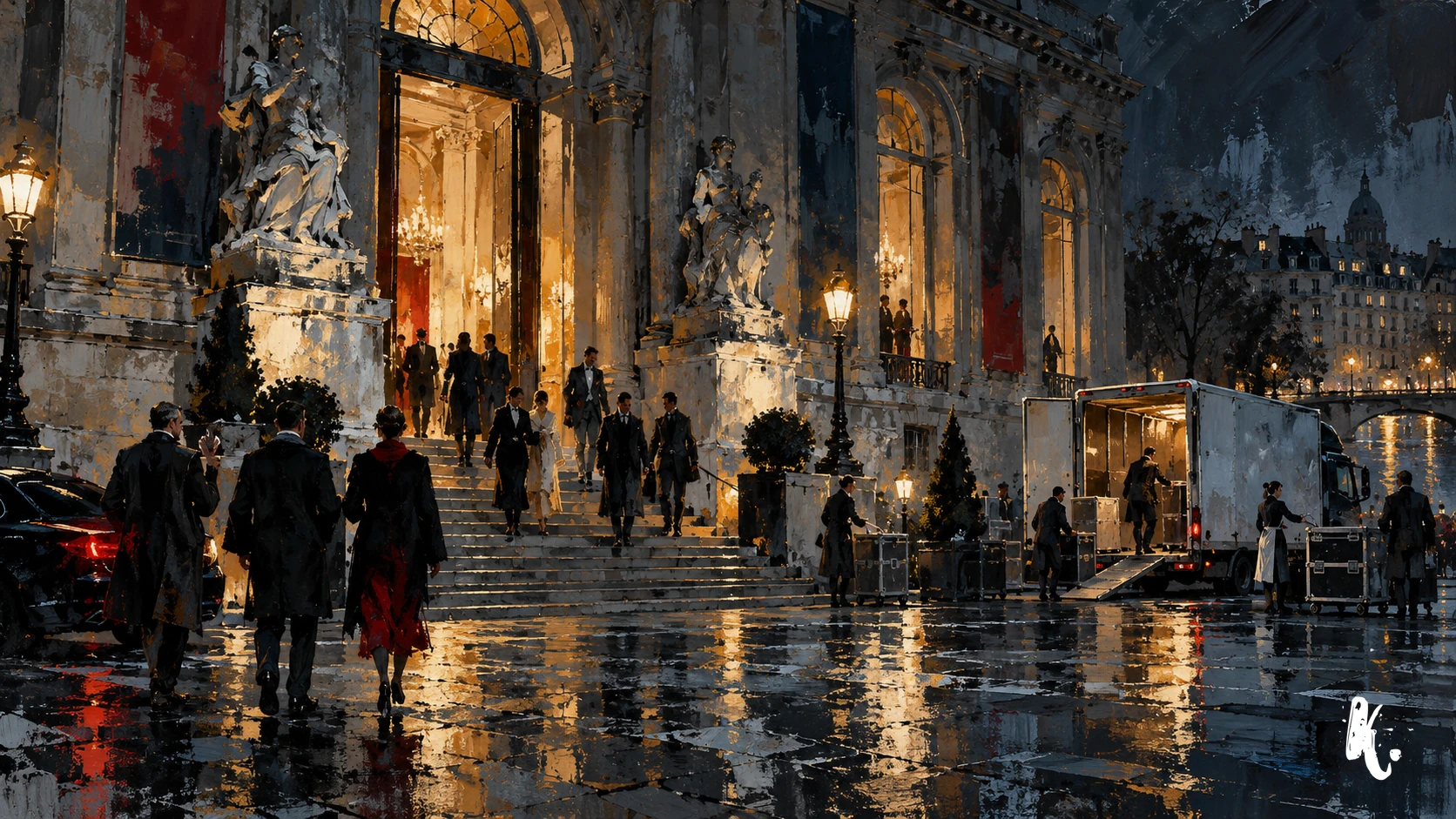
Before 23 March 2017, Paris had five fixed Elysiums: the Louvre, Notre-Dame, Sacré-Cœur, the Montparnasse Tower and Père-Lachaise. Since that date, each Bourg has had a temporary Elysium. Seven places receive the Peace of Paris, then their addresses change with each cycle.
Many venues in each Bourg may host that Peace, depending on circumstances, security and the needs of the Praxis. The addresses presented are representative examples, not a complete inventory or a required rotation.
A change of place does not suspend the institution: the Keeper enforces the same Peace of Paris there. On the Seven Bourgs map, Storytellers can choose any date and see which Elysiums were active then, fixed or mobile, with their addresses. The internal selection criteria remain private.
03 / Elysiums
Two distinct responsibilities
The Bourgmestre answers for the territory, its internal balance and its relationships. The Keeper of Elysium answers for the place while it receives the Peace of Paris. Cooperation is necessary, but the two offices remain distinct.
Communications concerning an Elysium must remain compatible with the Masquerade. The map shows active places and their addresses without exposing procedures or operational arrangements.
04 / Elysiums
Arriving under the Peace
Guests arrive fed, announced and able to explain their presence to mortals. An invitation erases neither debts nor enmities; it places their expression under a common rule. Weapons, hostile Disciplines, hunting and any conduct that threatens the human cover of the place immediately engage the Keeper’s responsibility.
Reputation often arrives before the guest. Someone who has already caused an incident may find access restricted, be required to attend under another person’s responsibility or discover that no one is willing to answer for them. In a mobile Elysium, trust in people matters more than familiarity with an address.
05 / Elysiums
What Elysium protects
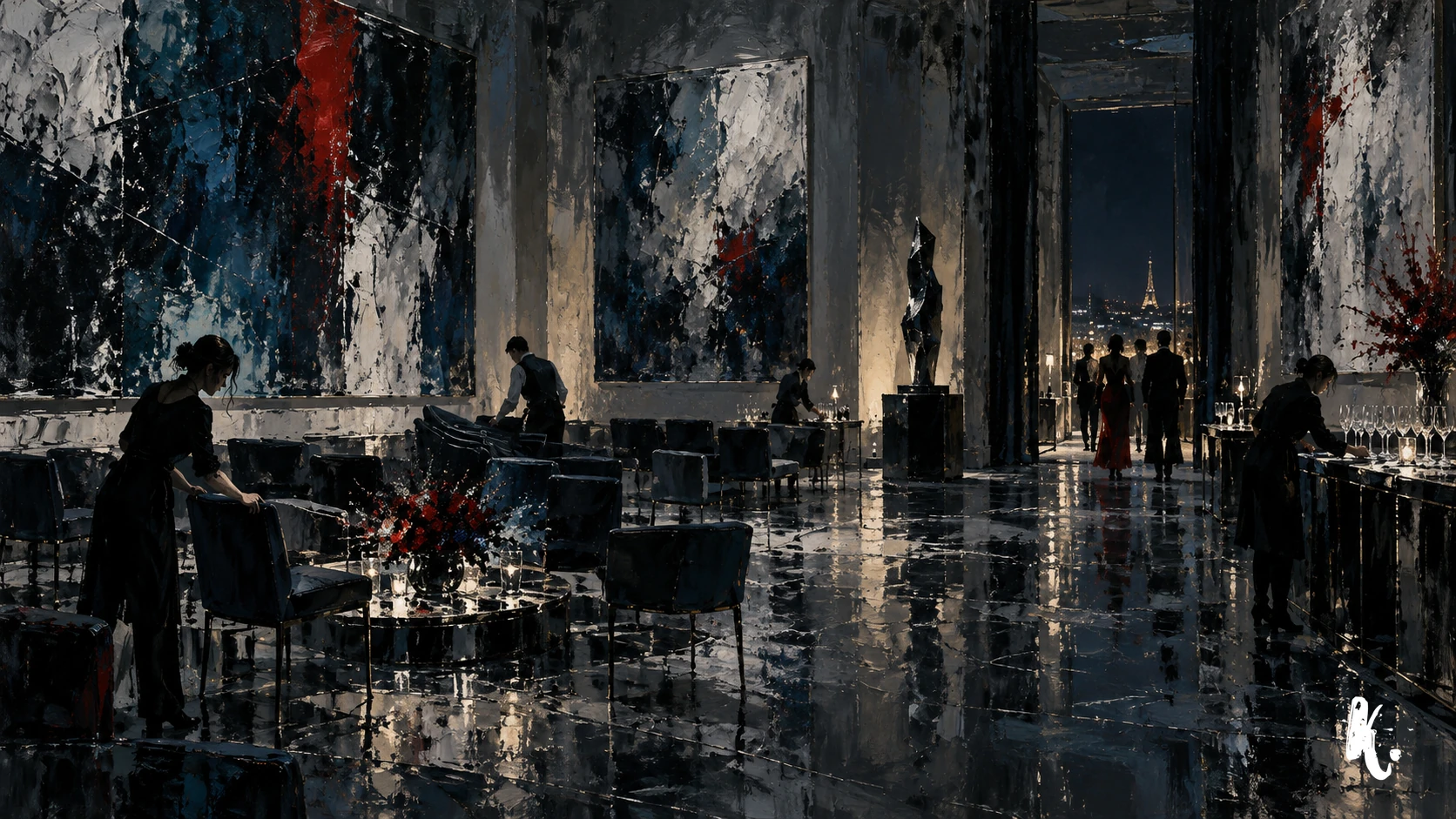
The neutrality of Elysium does not abolish politics. It allows an audience, negotiation or reception to take place without every rivalry immediately becoming an attack. The Peace protects the possibility of speaking; it promises neither agreement, forgiveness nor equality of status.
An incident is therefore judged as a breach of the Peace, a threat to the Masquerade and a challenge to those who guaranteed the gathering. A provocation may end with a warning. Spilled blood, an offensive Discipline or a deliberate intrusion become matters for the Praxis whose cost reaches far beyond the place itself.
Based on Paris la Nuit I, “The Elysiums of Paris”, and Paris la Nuit II, “Blood and the Court”.