Paris / Public register / Urban predation
Hunting in Paris
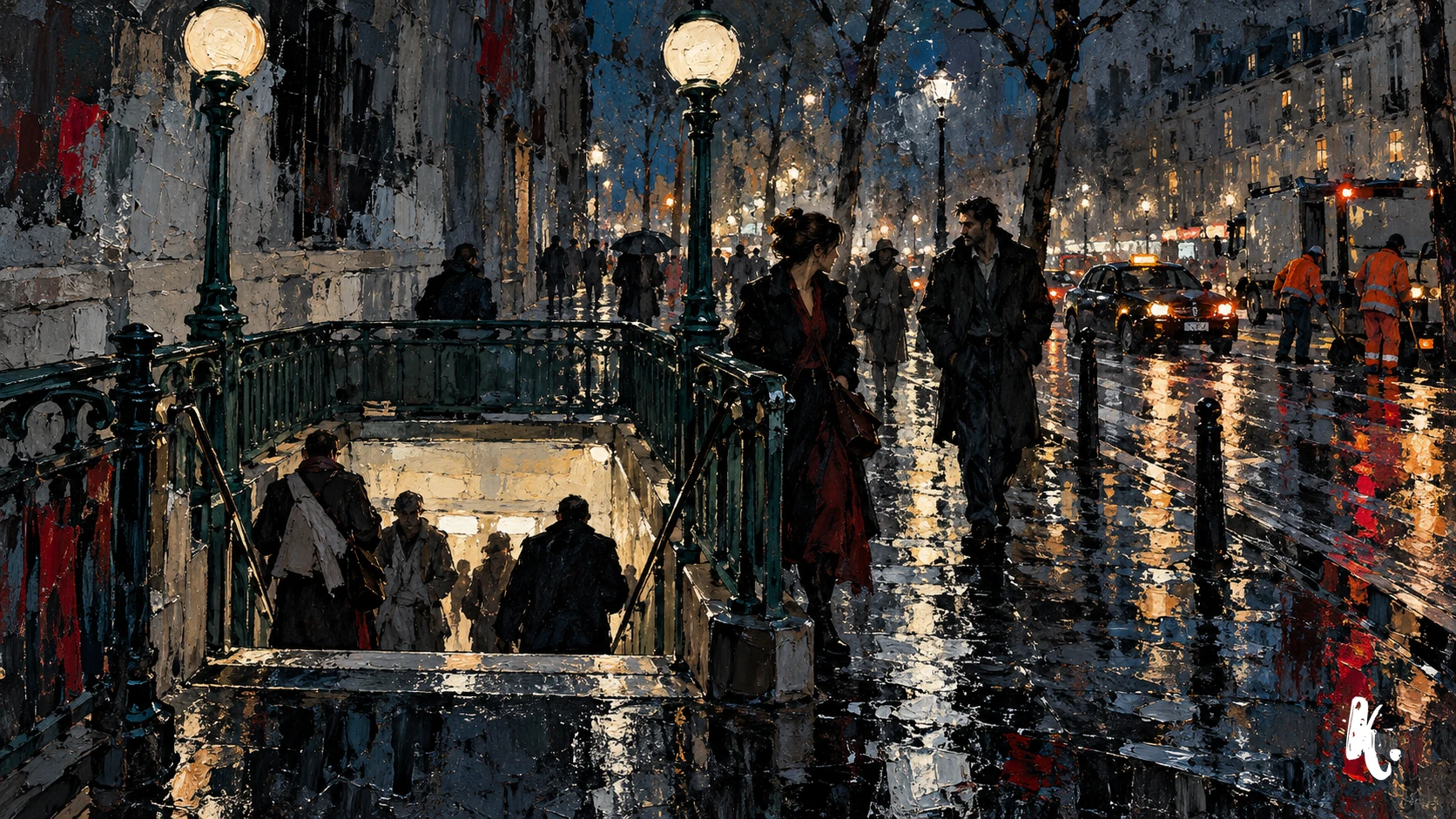
Population and nightlife multiply opportunities. At the same time, they multiply witnesses, recordings and people able to notice a pattern.
01 / Hunting in Paris
Every setting leaves traces
Clubs, hotels, hospitals, stations, parks and busy streets do not create the same risks. Some places concentrate attention and phones. Others are quieter, but any unusual presence becomes more visible there. Private security, police and night staff add their own memories to those of cameras.
An immediate opportunity can therefore involve a territory, a human cover or the reputation of a venue. Hunting is never only a matter of finding a victim: it means deciding what consequences will remain after leaving.
02 / Hunting in Paris
Seven night-time geographies
La Cour brings exposure to luxury, tourism and reputation. La Torche gathers student and academic networks whose members recognise one another. Le Havre offers institutional continuity, but keeps its records. Les Hautes Terres protect their access. Le Carrefour mixes crowds and transport. La Forteresse has a dense local memory. Les Tours change quickly, with all the uncertainty that entails.
No Bourg is a safe reserve. Territorial differences alter the risks; they do not remove them.
03 / Hunting in Paris
A credible human story
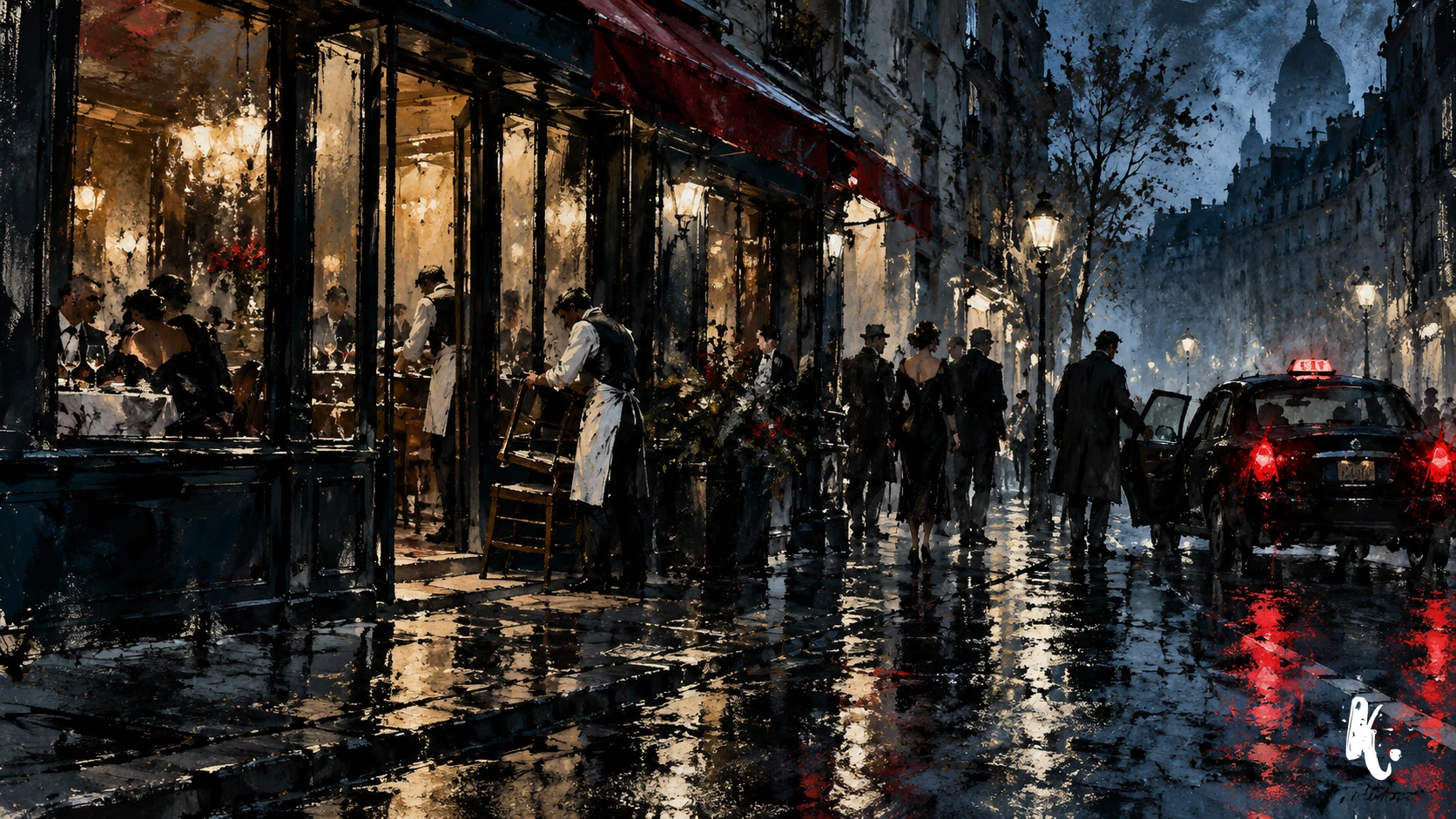
The best hunt does not vanish from the city: it looks like an ordinary encounter. A late night, a brief affair, a fainting spell handled by a friend or a client escorted home produce explanations witnesses understand. A cover repeated too often, however, becomes as clear a pattern as badly concealed violence.
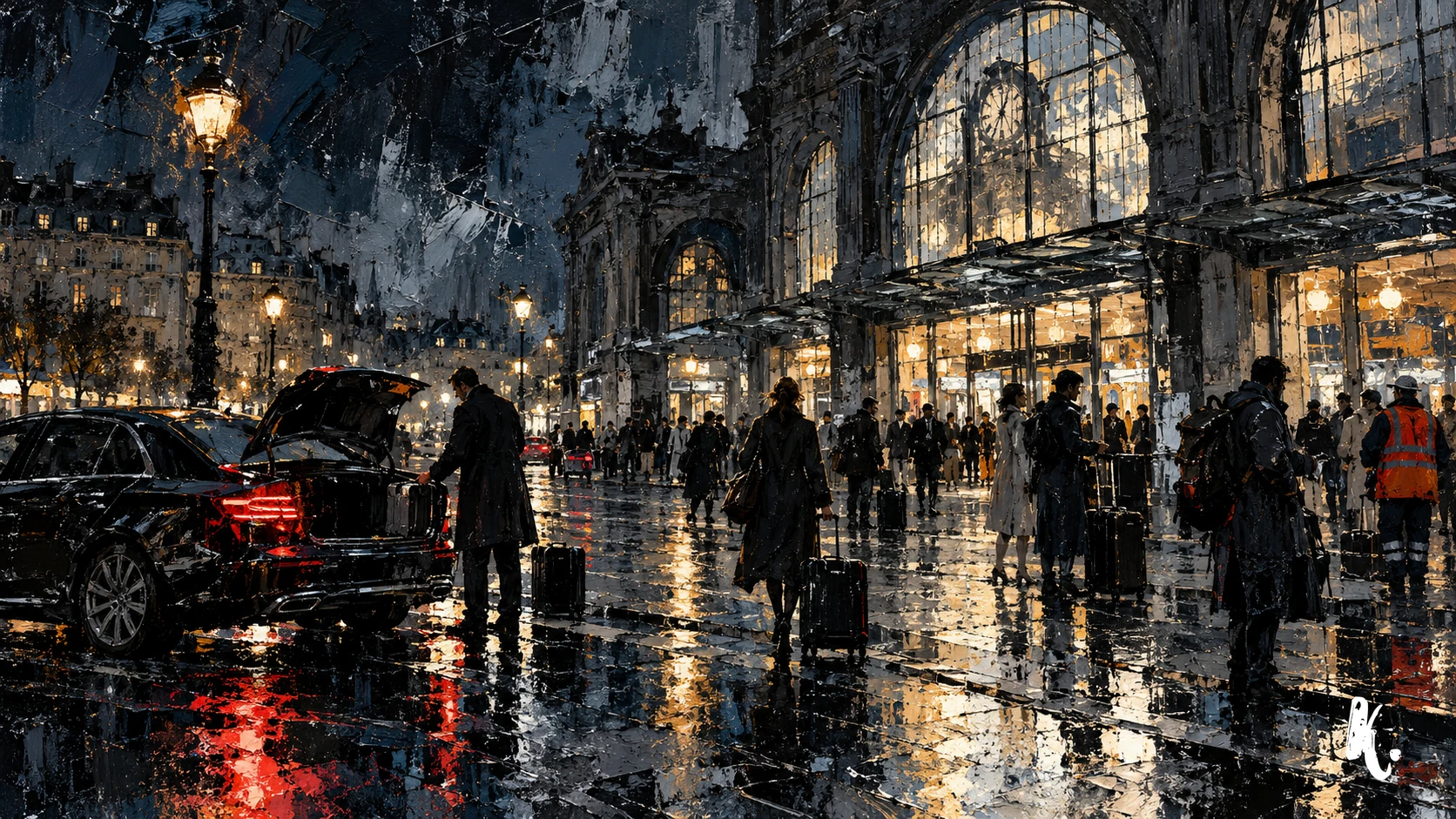
Clubs, hotels, stations and major events offer strangers in transit, but concentrate cameras and transport data. Universities and residential districts may look quieter; their social memory is often stronger. Hospitals hold blood, but every bag belongs to a counted, recorded and monitored system.
04 / Hunting in Paris
Hunger, permission and consequence
Hunger reduces the time available for choice. Going out already under its pressure allows a private emergency to choose the place, the method and sometimes another person’s territory. Experienced Kindred prepare alternatives and avoid linking haven, human identity, political network and hunting habits within the same chain.
A public space is not necessarily open to unrestricted hunting. Recognised Domains, protected establishments and old agreements form an invisible geography beside that of the Bourgs. Asking for a recommendation may cost a favour; ignoring the holder of a local right usually costs more. The Praxis judges a predator less by preference than by the traces and conflicts left behind.
05 / Hunting in Paris
When a hunt goes wrong
The first question is not whether the scene was spectacular, but what remains: a witness, a video, a body, a medical record, a complaint, a Domain debt or a trail of messages. Repairing the damage quickly means containing it without multiplying incompatible lies.
An isolated mistake may still receive an ordinary explanation. Repetition attracts police, press, hospital staff or private security before it ever interests the Second Inquisition. In Paris, Hunger remains private; traces become political as soon as they force a Bourg or the Praxis to intervene.
Based on Paris la Nuit I, “Hunting in Paris” and “Playing Paris”.