Paris / Public register / Traces and plausibility
Masquerade
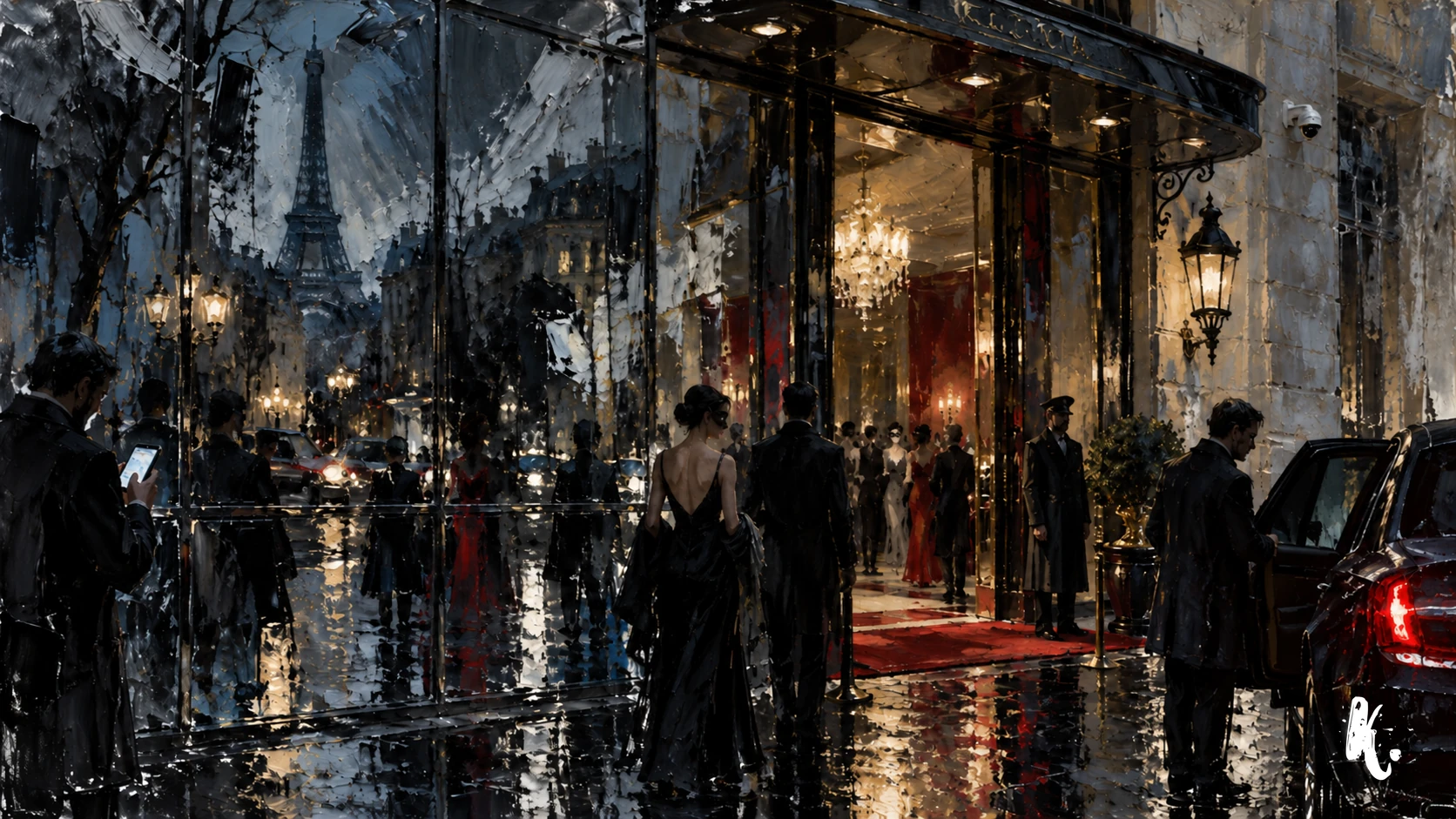
In Paris, an anomaly does not necessarily disappear when a witness falls silent. It may survive in a video, a transport record, a local article or the memory of a security service.
01 / Masquerade
A city that records
Smartphones quickly move a scene outside its context. Social networks copy, discuss and transform it before a stable explanation exists. Tourist sites, transport and public venues add surveillance footage, bookings, access records and payments to that circulation.
Preserving the Masquerade is less a matter of erasing every trace than of maintaining a coherent human reading. An explanation that is too perfect, too late or contradicted by several systems may draw more attention than the original incident.
02 / Masquerade
A threat without an operating manual
Police, local press and security services do not observe the city for the same reasons, but their information can converge. The Second Inquisition represents a general threat when repeated anomalies become a usable pattern.
This public register describes neither its agents, cells nor methods. It is enough to remember that a visible breach can quickly spread beyond the place and the Bourg where it occurred.
03 / Masquerade
The most ordinary traces
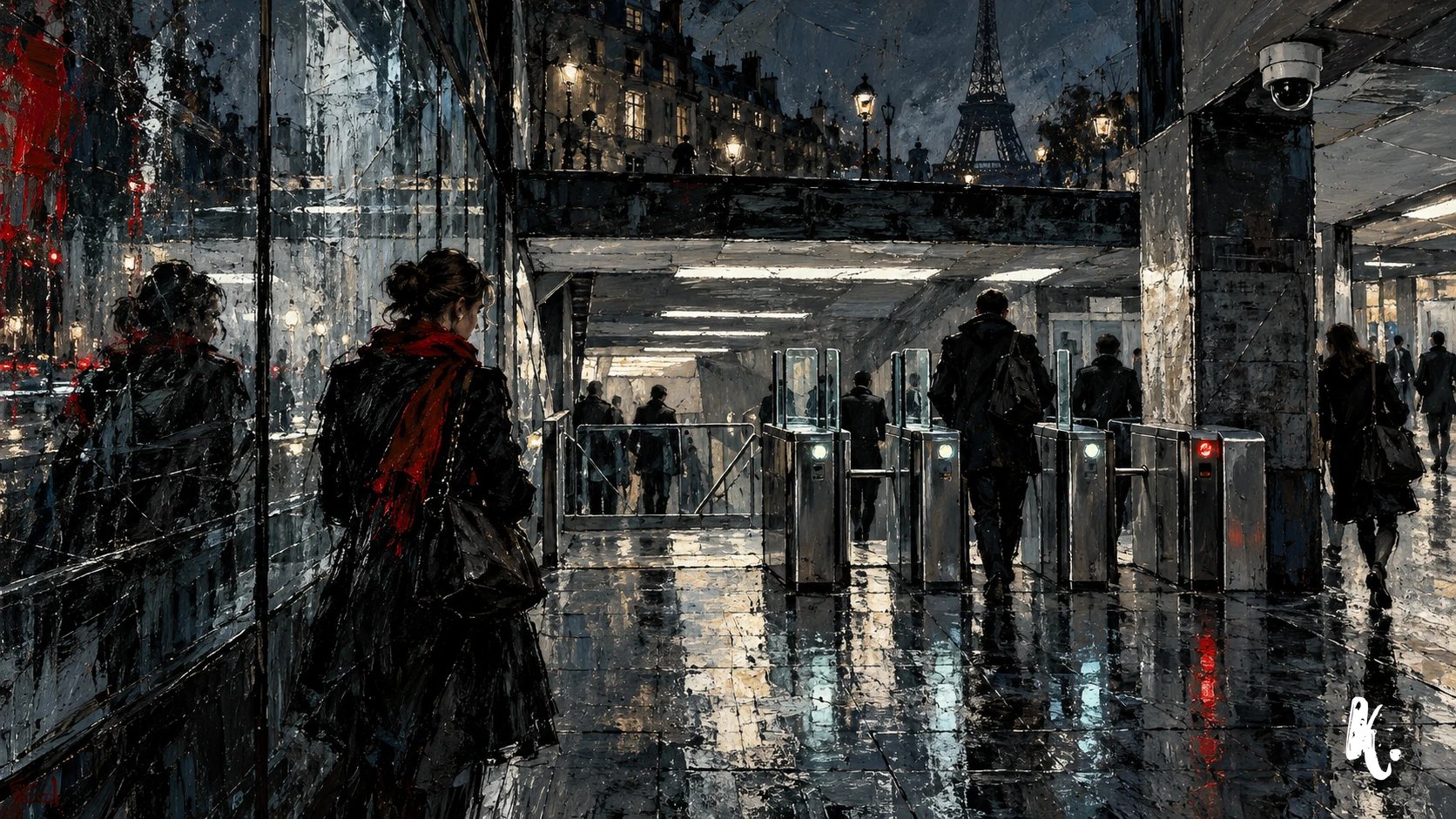
A face need not be identified immediately to remain useful. Tickets, access badges, number plates, phones, bank accounts, medical records and doorbell cameras preserve fragments. An identity that does not age, a car present near several disappearances or victims sharing the same pattern can connect systems that noticed nothing when considered separately.
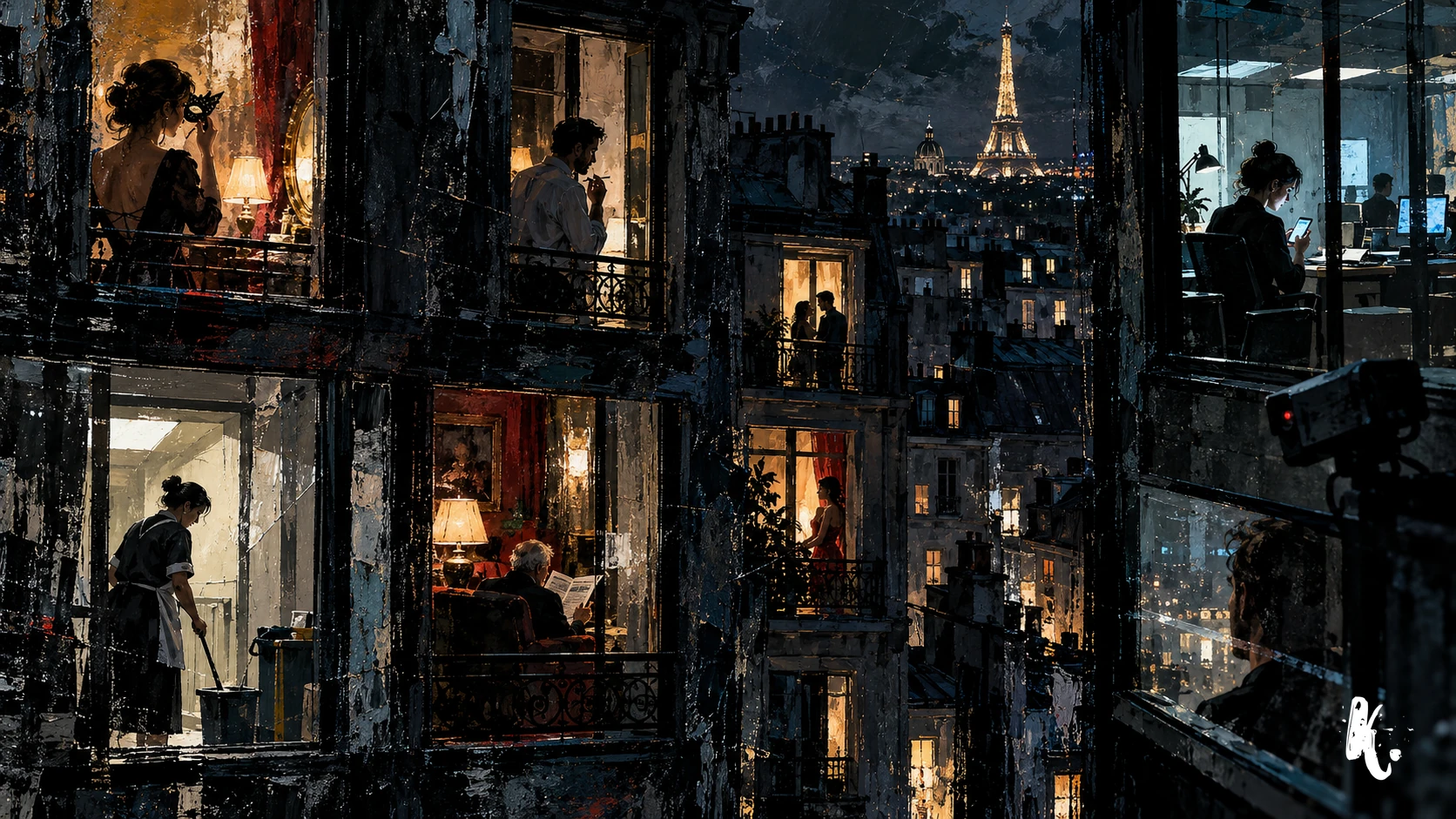
Facial recognition is only one risk among many. An attentive nurse, a building caretaker, a local journalist or an insurance analyst may notice a repetition before any specialised organisation does. The Masquerade is therefore defended in administrative details, financial habits and the way a vampire explains their place among the living.
04 / Masquerade
A shared responsibility
Each of the Kindred first answers for their actions, servants and cover arrangements. The Bourgmestre intervenes when an incident affects a territory or its balance. The Prévôté and Milice take over when the threat exceeds local means. The Court ultimately decides matters that engage the general authority of the Praxis.
This chain excuses no one from acting. Waiting for an officer to erase a mistake may give human systems time to copy it. Conversely, a brutal or impossibly perfect repair can draw more attention than the original scene. The sound response is to preserve a coherent explanation, alert the relevant authority and pass on only the information required.
05 / Masquerade
Fear since Marseille
The fall of SchreckNET showed that a secret shared at scale becomes a map. London proved that a capital could fall. The purge of Marseille in 2017 brought that threat close to home: Paris can no longer dismiss it as something that happens abroad.
The Second Inquisition is not publicly presented as an all-knowing organisation. Its strength lies instead in convergence between services, specialists and opportunities. There is much it does not know, it makes mistakes and it does not control every human system. Yet it needs only a series of anomalies worth a second look. Parisian discipline is designed to prevent precisely that series from forming.
Based on Paris la Nuit I, “Paris After Midnight” and “Playing Paris”.