03 / Territory
Le Havre
The Bourg that protects, conceals and preserves continuity.
01 / Le Havre
Le Havre is no single hiding place. It spans three arrondissements with different rhythms and safeguards: the institutions and homes of the seventh, the lived-in streets of the fourteenth, and the buildings and large facilities of the fifteenth. Someone may withdraw from notice here without leaving Paris. They still have to explain their arrival, their presence and, above all, their departure to the people whose work and lives continue around them.
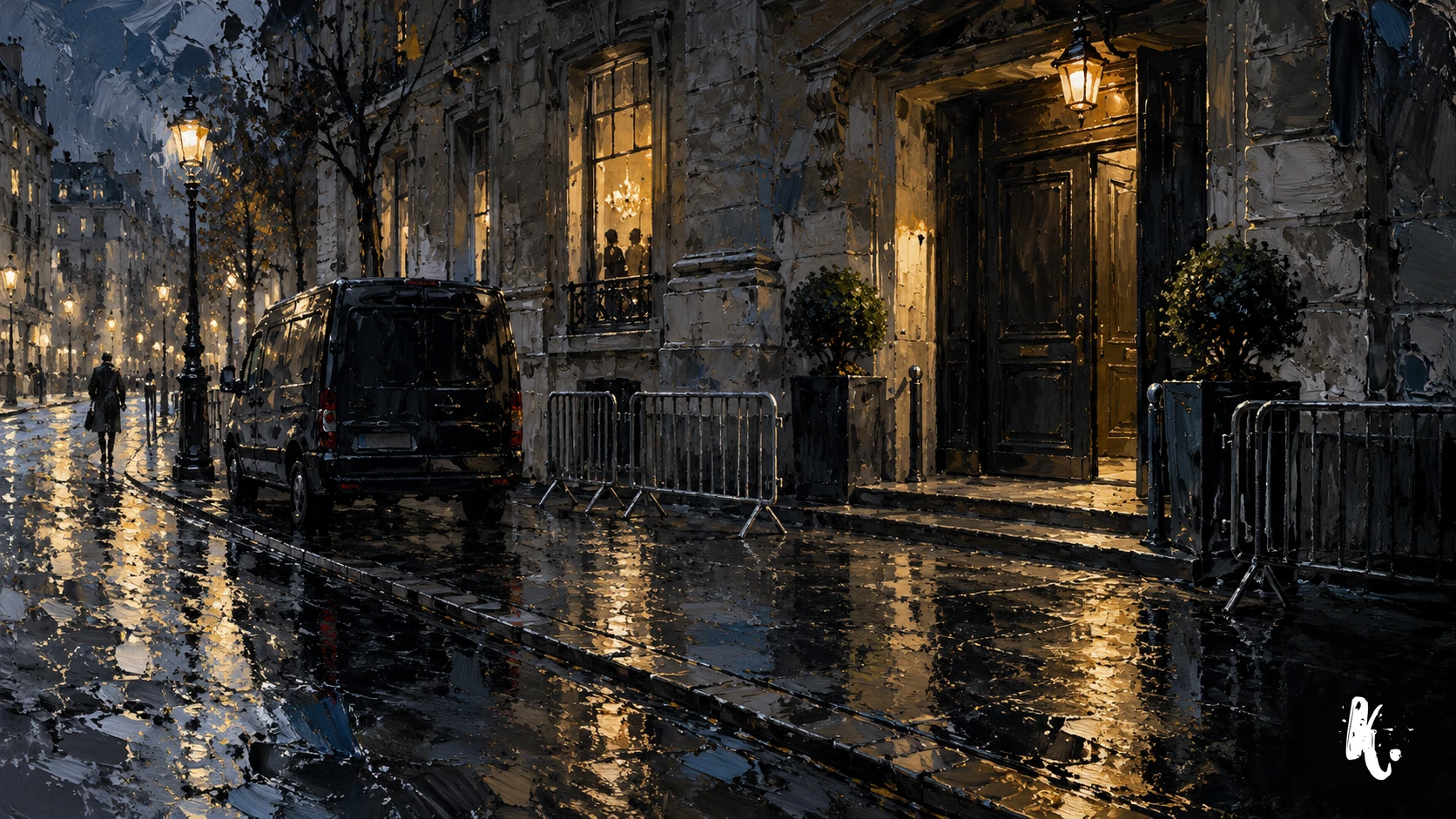
“Le Havre hides” is no promise of impunity. The Bourg can make a passage look ordinary to others: a booked room, an expected visitor, a scheduled delivery, a service vehicle or an authorised consultation. Every explanation belongs to a human system with its own hours, staff and records. Éléonore Varennes governs the uses of that social silence. Clara Bensimon, Keeper of the Peace of Paris, checks that a gathering can begin and end without turning refuge into a trap.
That capacity attracts Kindred who do not wish to be seen, but also people others may be tempted to stop looking at. The Bourg does not own the mortal institutions it crosses. A hospital is not a Domain, an embassy is not an outpost of the Praxis, and a borrowed flat is no eternal shelter. Le Havre protects best when it gives up an address before routine exposes those it was meant to shield.
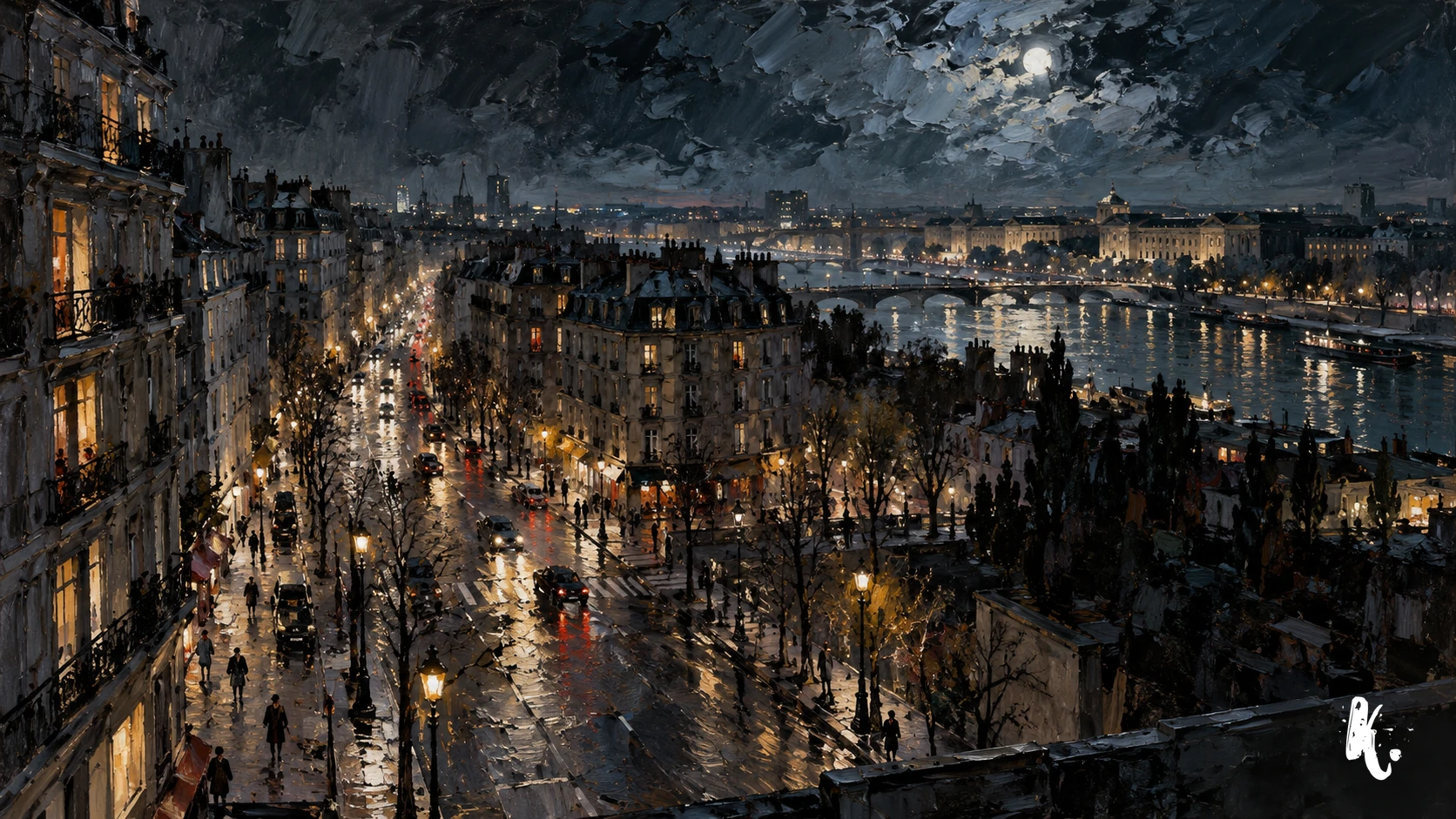
02 / Shelter and its limits
Shelter and its limits
The name describes a function more securely than an origin. The sources establish refuge, silence and institutions; they provide no secret foundation or etymology accepted by all. Here, hiding mostly means preventing a fragile situation from immediately becoming a spectacle. An incident may be absorbed into the ordinary movements of a hotel, an administration or a residential district. Yet that movement leaves witnesses and can be reconstructed.
The three arrondissements are not one continuous mood. The seventh demands reasons for access; the fourteenth tests those reasons against neighbours and routines; the fifteenth exposes them to workers, families and event visitors. A plausible cover in one district may be absurd in another. Territorial skill lies in choosing the right human setting, not in wrapping Paris in supernatural invisibility.
Le Havre differs from La Cour, where presence quickly becomes reputation, and from La Torche, where a claim calls for provenance. Here the first question is humbler: what human explanation will still hold tomorrow morning? Les Hautes Terres may pay to close a door; Le Havre must know who will open it on the next shift. Le Carrefour loses a face in a crowd; Le Havre lets it pass through a routine. Money, crowds and routine offer no protection from the Masquerade on their own.
The method has a political cost. A useful address may be used too often; a debt of protection may prevent an arrangement from ending; a human manager may feel pressed to lie for a cause they do not understand. Éléonore must decide who may be sheltered and for how long without making a vulnerable person the raw material of discretion. The Bourg is defined not by a lack of conflict, but by the way conflict stays below the threshold of public notice.
03 / PARIS
Three arrondissements
The seventh: a door that demands a reason
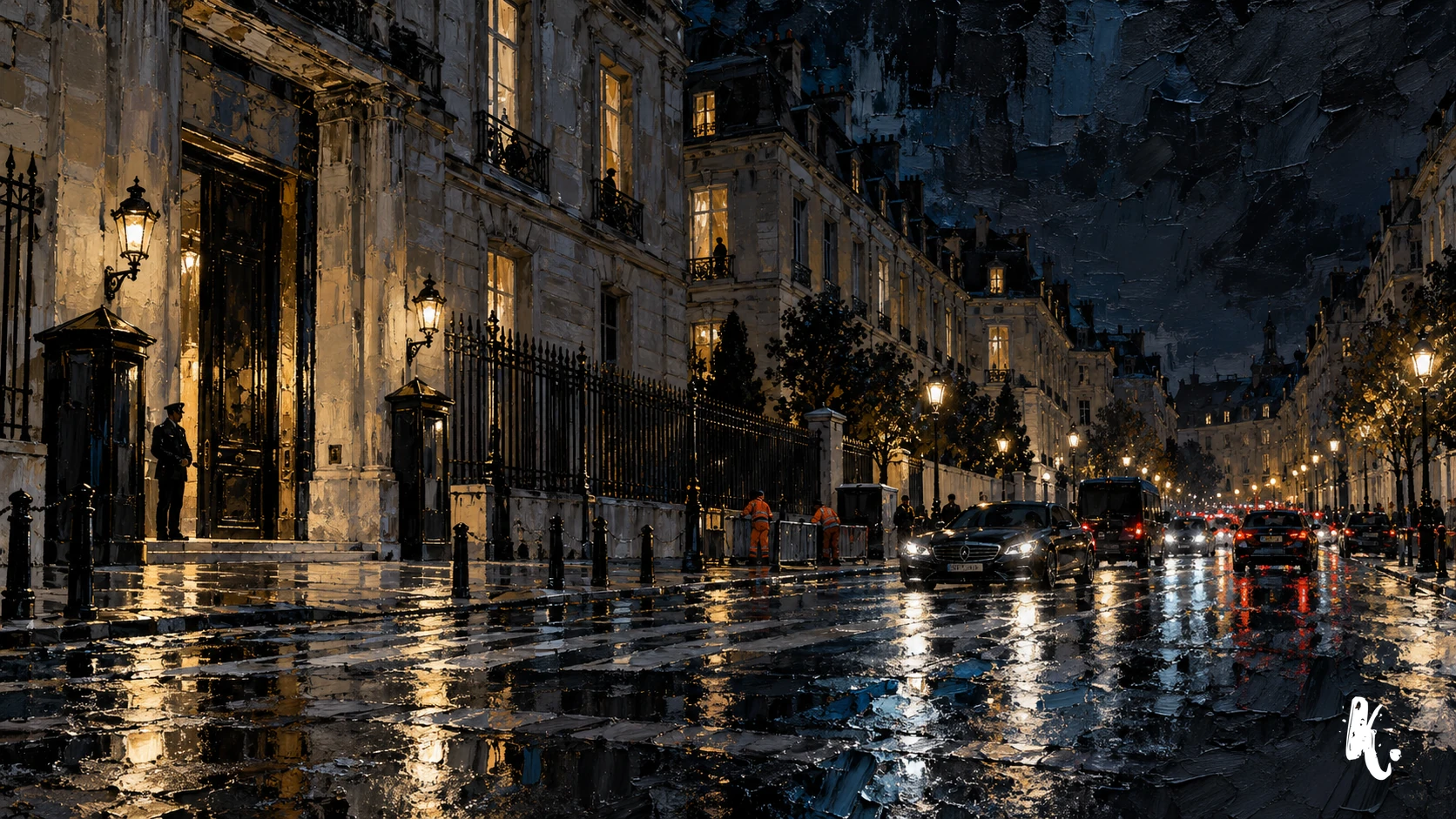
Around Les Invalides, the quays and ministry streets, the seventh brings national institutions, homes, museums, hotels and neighbourhood shops together. Visitors notice façades; employees notice schedules. A waiting vehicle, late delivery or service entrance need not be remarkable, provided it belongs to real activity. Prestigious stonework grants no permission to enter.
Embassies and administrations are not vaults to which the Praxis holds a key. They have their own managers, procedures and security requirements; rules differ by building and event. A diplomatic evening may plausibly cover a few guests, not an improvised assembly. Reception, cleaning and security staff often notice deviations better than formal guests because they know the ordinary workings of an event.
The seventh remains lived in. Families return home, workers finish a shift, visitors leave a museum or search for their hotel. On major routes and near the Seine, lighting, vehicles and cameras make some encounters highly visible. Smaller streets have fewer crowds but more familiar eyes. A Kindred who thinks they are alone may forget that an empty pavement is not an absence of neighbours behind windows.
A cultural or charitable foundation may temporarily host a gathering under a form humans can understand. That possibility grants no right to divert its mission or endanger its staff. Clara asks for plausible uses, a workable entrance and confidence that the organisation will not be left alone to explain the evening afterwards. That is the limit of institutional refuge: it protects because people remain accountable for it the next day.
The fourteenth: what neighbours remember
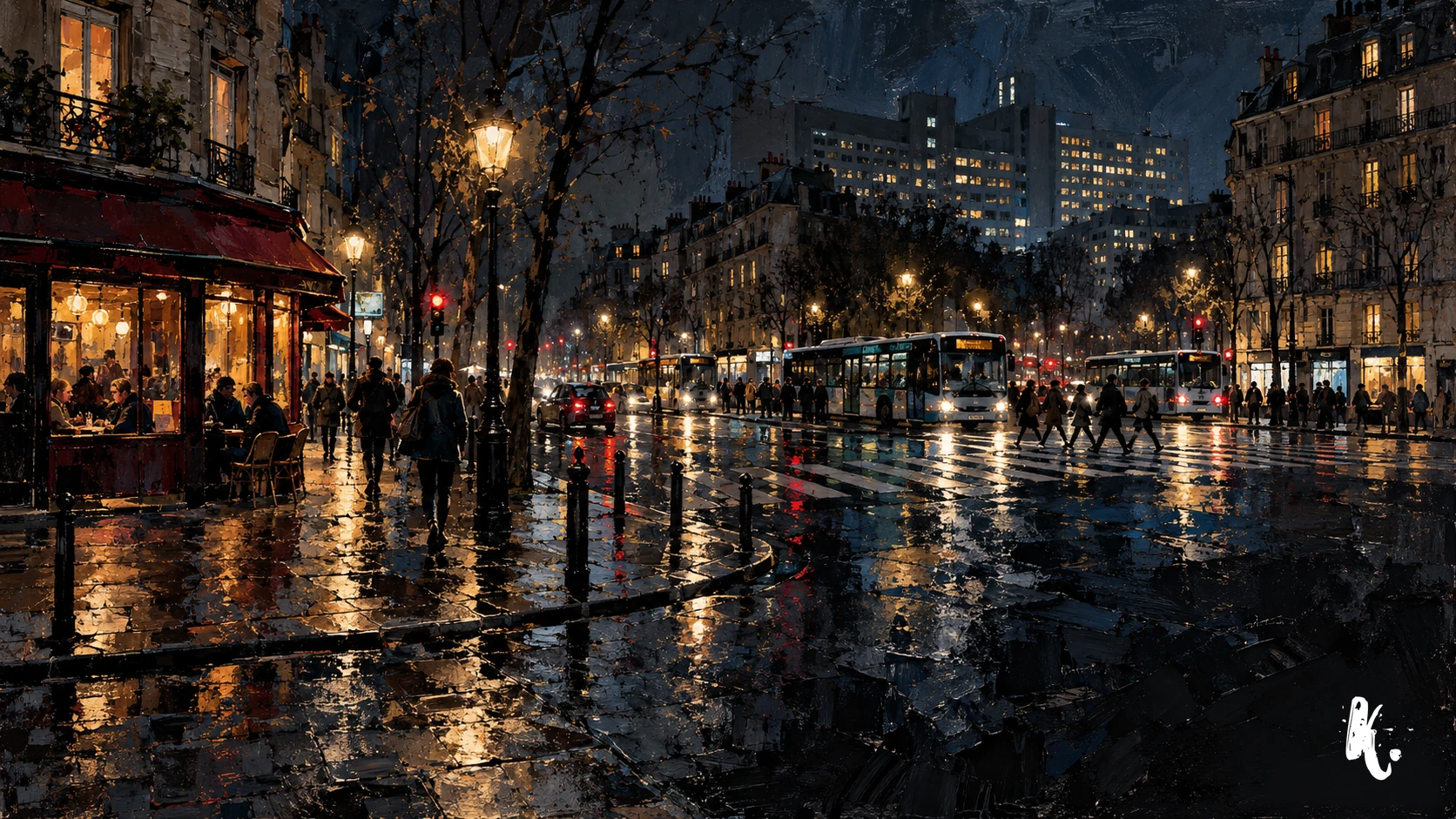
Montparnasse, Denfert-Rochereau and the more residential southern districts do not have the same density at the same hour. Cafés and cinemas make some late departures ordinary; transport still carries workers and travellers; a few streets become almost domestic when shops close. A character may change surroundings in minutes, but cannot erase their distinct uses. A café server, a transport worker and a neighbour remember different details.
The Sainte-Anne hospital site is a major landmark, not a stage at Kindred disposal. Clinicians, patients, relatives, support workers and technical staff have different responsibilities. Medical confidentiality does not create a rule-free space: it protects people; it does not make them available for use. Éléonore refuses to make psychological distress a convenient explanation for a supernatural incident. A discredited victim remains a victim, and such a manoeuvre leaves records others may compare.
Housing streets and associations give the fourteenth a less formal continuity than the seventh's. A door opened for a meeting may be noticed by the building; a neighbour asks after an absence; a new van differs from familiar vehicles. Conversely, real organised assistance, reliable hours and identifiable people make movement less suspicious. Le Havre may offer hospitality here, but only while it does not require others to remain silent by force.
The Catacombs and quarries exist beneath part of Paris, and their history sometimes encourages easy stories. They define neither the arrondissement nor the nights of Le Havre. The network crosses territories, is regulated and is dangerous; there is no basis for calling it an open refuge, clan Domain or private route. The people living above, working, receiving care or returning home give the fourteenth its immediate stakes. For play, the most useful depth is often found in relationships, not in the ground.
The fifteenth: hosting without holding
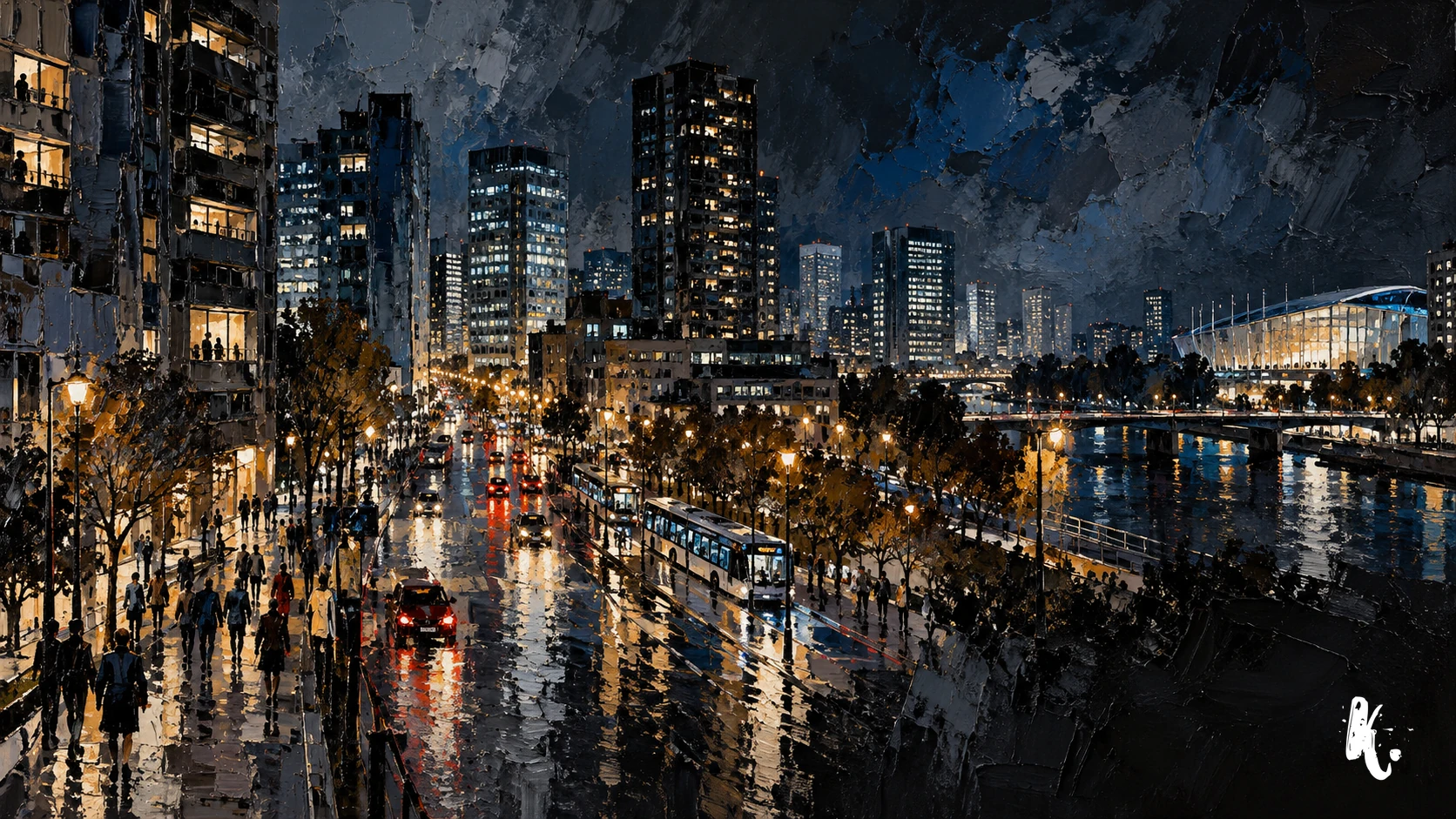
The fifteenth is large, densely inhabited and hard to reduce to one landscape. Around Beaugrenelle and the Front de Seine, offices, homes and shops overlap; elsewhere avenues lead towards family streets, schools, hotels and workshops. Residents are not background to an institutional scene. They have journeys, neighbours, working hours and reasons to recognise changes on their landing.
Porte de Versailles brings another rhythm: exhibition set-up, conferences, visitors, contractors, hotels, catering, deliveries and group departures. A late reception looks less unusual there than in a quiet residential street, but it also leaves bookings, badges, invoices and teams passing instructions between shifts. Many strangers ease an introduction; they make it harder to identify the one who noticed a detail. This is not anonymity but a crowd with logistics.
Large buildings and workplaces offer corridors, services and shift changes where Le Havre may act without theatre. They also create increasingly precise checks. A movement presented as maintenance should correspond to real work, tools, hours and someone authorised to sign it off. A lie carried by a form may be sturdier than an improvised excuse; it is also easier to retain.
The Seine, main roads and transport connect the fifteenth to territories the Praxis governs differently. A refuge is therefore not merely a closed room: arrival, neighbours, departure and the person opening up in the morning all matter. Clara prefers a venue that can be left by credible human routes to a spectacular building where every door requires an exception. Éléonore may promise protection; she cannot stop the daily life that makes it plausible.
04 / Authority and stewardship
Authority and stewardship
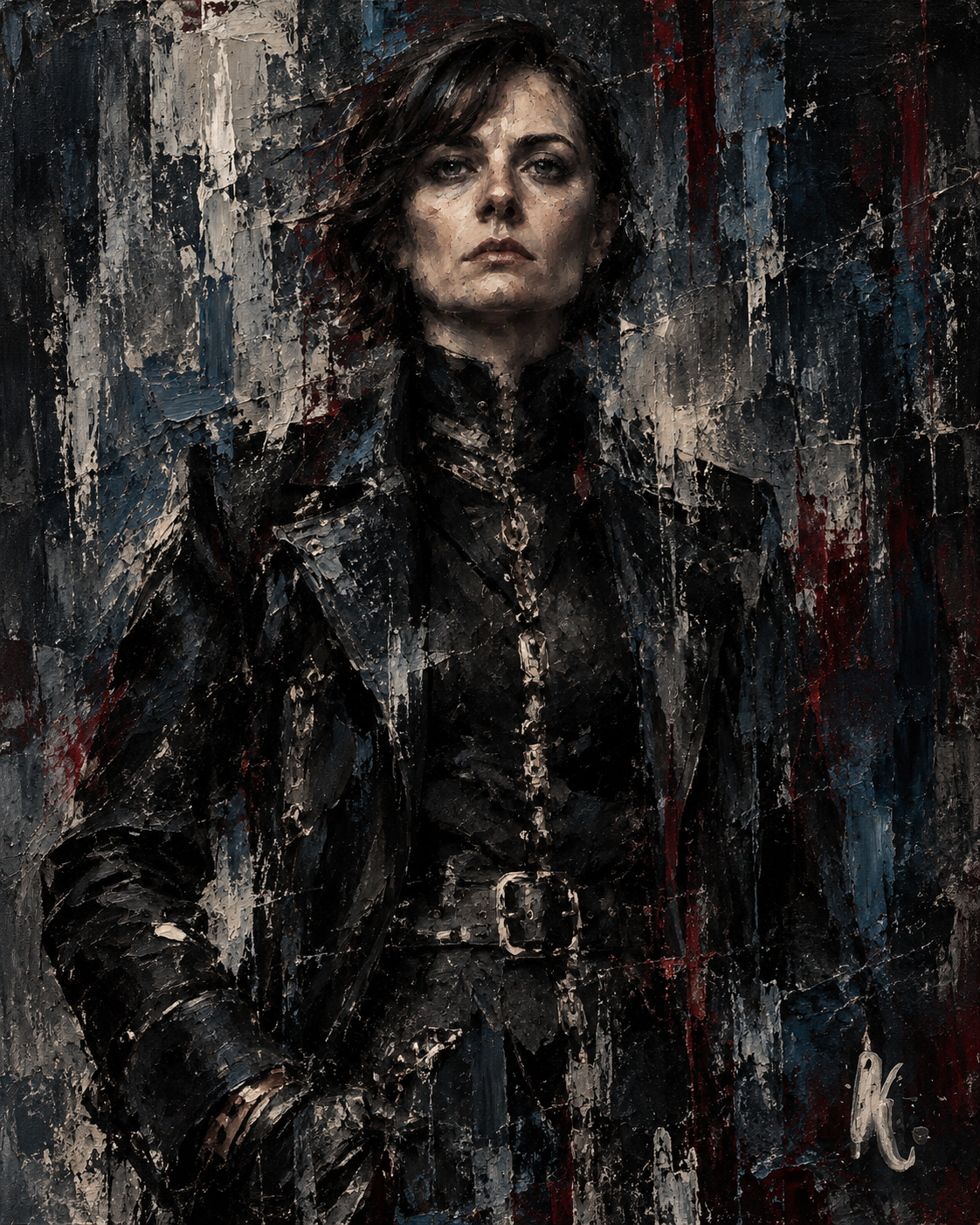
Bourgmestre / Malkavian
Éléonore Varennes
Éléonore Varennes governs Le Havre as its Malkavian Bourgmestre. She need not make every decision dramatic: her strength is understanding why a presence ceases to attract concern once an institution can give it an ordinary name. That insight grants no power over doctors, diplomats or residents. She arbitrates how Kindred use the territory and what risks they leave there. Her office is political, not a licence to dispose of human lives.
She rejects the easy course of discrediting a vulnerable witness. At Sainte-Anne in particular, someone's psychological distress must not become the automatic excuse for a supernatural breach. This limit is not only moral: repetition produces records, connections and professionals able to see the pattern behind the explanations. Éléonore prefers a sustainable human account to a clever erasure that leaves someone else carrying the blame.
Her relationship with Clara is not an inspired mind correcting a technician. Éléonore may sense that a venue no longer offers the needed quiet; Clara asks which entrances, teams and exits make that judgement testable. Their disagreement may delay a meeting, shift responsibility or save a cover. A Bourgmestre who promises refuge but cannot accept its closure would end up governing habits rather than people.
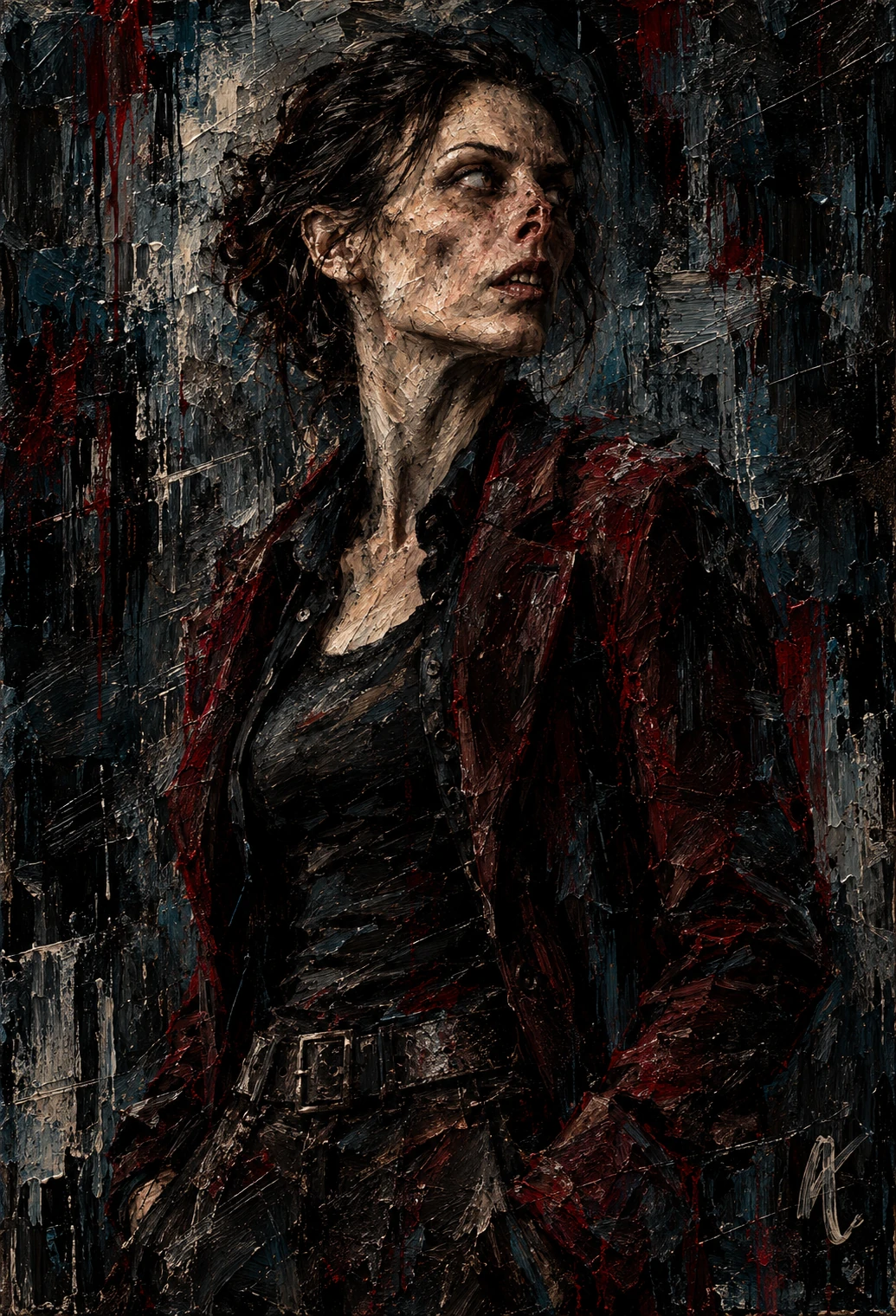
Guardian / Nosferatu
Clara Bensimon
Clara Bensimon keeps the Elysium; she does not administer the Bourg. Her experience in hospital and community logistics taught her that a building is never an empty shell. Staff know where carts move; a service knows closing time; a guard notices the door left open without explanation. She assesses a venue by following these ordinary actions before counting guests.
Clara seeks no permanent fortress. Under the Peace of Paris, a temporary venue must allow reception, separation of groups and an exit humans can understand. An evacuation can look like the end of a reception or a shift change only if teams and entrances make that account credible. The discreet marks, maintenance codes and technical cues she favours assist movement; they replace neither clear instructions nor a tested route.
Her pragmatism can become too cold when she calculates acceptable losses. Éléonore reminds her that the people on whom refuge depends are not interchangeable parts. Clara, in turn, requires the Bourgmestre to name what she is truly asking of a human manager. Their cooperation matters because the disagreement remains: protecting an evening and protecting those who make it possible are not always the same task.
05 / Living after dark
Living after dark
Le Havre lives within other people's work. Its potential shelters depend on porters, reception desks, night teams, clinicians, cleaners, drivers, volunteers, neighbours and hotel staff. None of those jobs makes a person anonymous. A lasting relationship can build genuine trust; it can also create an unfair debt if a Kindred repeatedly asks for favours without bearing the cost.
Continuity may be more useful than disappearance. Someone may need a postal address, a postponed appointment or a reason for having left a venue without being questioned. Each explanation must belong to the world where it is used. A hospital can protect health information; it cannot make every question vanish. A hotel may host a traveller; it cannot turn a borrowed name into an identity without consequences.
Night does not suspend day. A shift handover passes on anomalies; a report combines details everyone thought isolated; neighbours connect a van, a light and a door. Kindred who understand this diffuse memory are less hungry for addresses than for relationships able to endure without coercion. Those who overuse a venue eventually give the whole district a reason to remember them.
06 / Hunting in Le Havre
Hunting in Le Havre
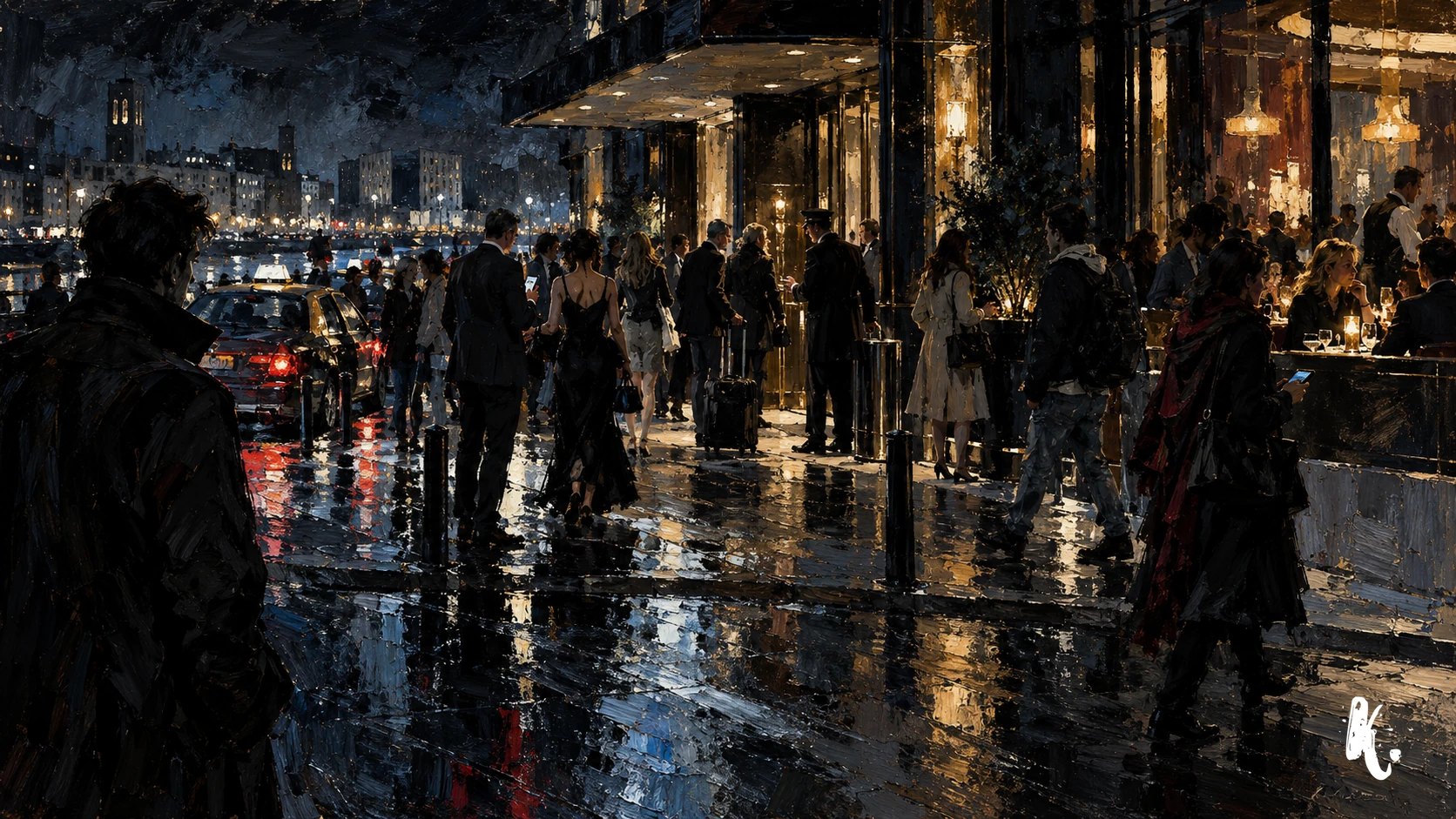
Hunting in Le Havre is not choosing whoever an institution makes least visible. The seventh has visitors in transit, late dinners, staff ending a shift and residents who know their street. The temptation is to borrow the prestige of an event or hotel to secure a private conversation. Yet that cover leaves a name at reception, a booking time, a vehicle at the entrance and people whose job is to notice whether the evening went as expected.
The fourteenth offers different encounters: cinema exits, cafés, transport connections and journeys home. Those paths belong to people expected somewhere. A meeting that runs late is not merely a change of plans for the predator; it may alarm a relative, miss a final connection or disrupt a night shift. On residential streets, the same figure accompanying several strangers soon ceases to be a stranger.
Healthcare settings demand particular restraint. Patients, exhausted relatives and people in crisis are not discreet resources supplied by the scenery. Their vulnerability makes hunting more serious in human terms and more dangerous for the Masquerade: care, complaints, records and colleagues can reconstruct an incident. Éléonore has made that refusal a political boundary of the Bourg. A Kindred's Hunger gives them no right to transfer the risk to someone who already needed help.
In the fifteenth, conferences and exhibitions bring many strangers together. A badge, taxi receipt, transport ticket, hotel and group photograph can nonetheless form a timeline the crowd does not erase. Set-up, reception and catering staff know when someone belongs to the operation. A credible approach must survive small questions: why does this guest know the room, who introduced them and where should they be after closing?
Residential districts offer less formal control and more local memory. A simple explanation may sound true because it resembles neighbours' lives; repeated too often, it becomes the detail everyone discusses. Phones record without investigative intent, payments date movements and cameras watch a lobby or avenue. A Discipline may help in one scene; it does not make every trace cease to exist. The soundest caution is not to create the situation that would then need erasing.
Near a temporary Elysium, hunting rights do not follow from an invitation or from the labour of those running the event. The Peace of Paris protects the gathering; it does not turn staff, visitors or volunteers into authorised prey. An incident at a borrowed venue may return the next day as a complaint, unexplained absence or access review. In Le Havre, that return threatens more than one Kindred: it may close a shelter others depended on. Responsible hunting can also mean leaving a possible encounter behind, even when Hunger makes that decision difficult.
D10 / Hunting circumstances
- 01
A conference badge is valid, but the room printed on it closed early.
- 02
A neighbour recognises the vehicle used for a supposedly exceptional arrival.
- 03
The person approached is sharing their location with someone waiting for them.
- 04
A shift handover brings two different accounts of the same appointment together.
- 05
A hotel asks to confirm a visitor's name before returning a forgotten item.
- 06
The final service is cancelled and the group stays together longer.
- 07
A real maintenance team arrives for the work the cover was pretending to do.
- 08
Reception staff already know the person assumed to be passing through.
- 09
A taxi receipt connects two addresses the guests meant to keep apart.
- 10
The potential target simply asks why no one told their colleague.
07 / PARIS
Places and landmarks
7e
Invalides
An institutional and military presence, alongside workers, visitors and residents. Human rules govern access.
Associated Kindred : No specific public association
Explore this placeView the territorial map14e
Montparnasse
A junction of transport and nightlife between offices, outings and homes; its tower was a fixed Elysium before 2017.
Associated Kindred : No specific public association
Explore this placeView the territorial map14e
Hôpital Sainte-Anne
A hospital site in the fourteenth. Medical confidentiality protects people, not manipulation.
Local importance : The Hôpital Sainte-Anne connects the medical networks of Le Havre with an institutional memory attentive to subtle anomalies.
Associated Kindred : Adrien Moreau
Explore this placeView the territorial mapCatacombes et carrières de Paris
A historical network crossing territories, not an open refuge or property of the Bourg.
Local importance : The Catacombes et carrières de Paris cross several Bourgs. Their passages often ignore the boundaries drawn above ground.
Associated Kindred : Orlok
Explore this placeView the territorial map08 / Possible mobile Elysiums
Possible mobile Elysiums
Examples of possible venues, not an exhaustive list or a fixed rotation. Their activity depends on the chosen date.
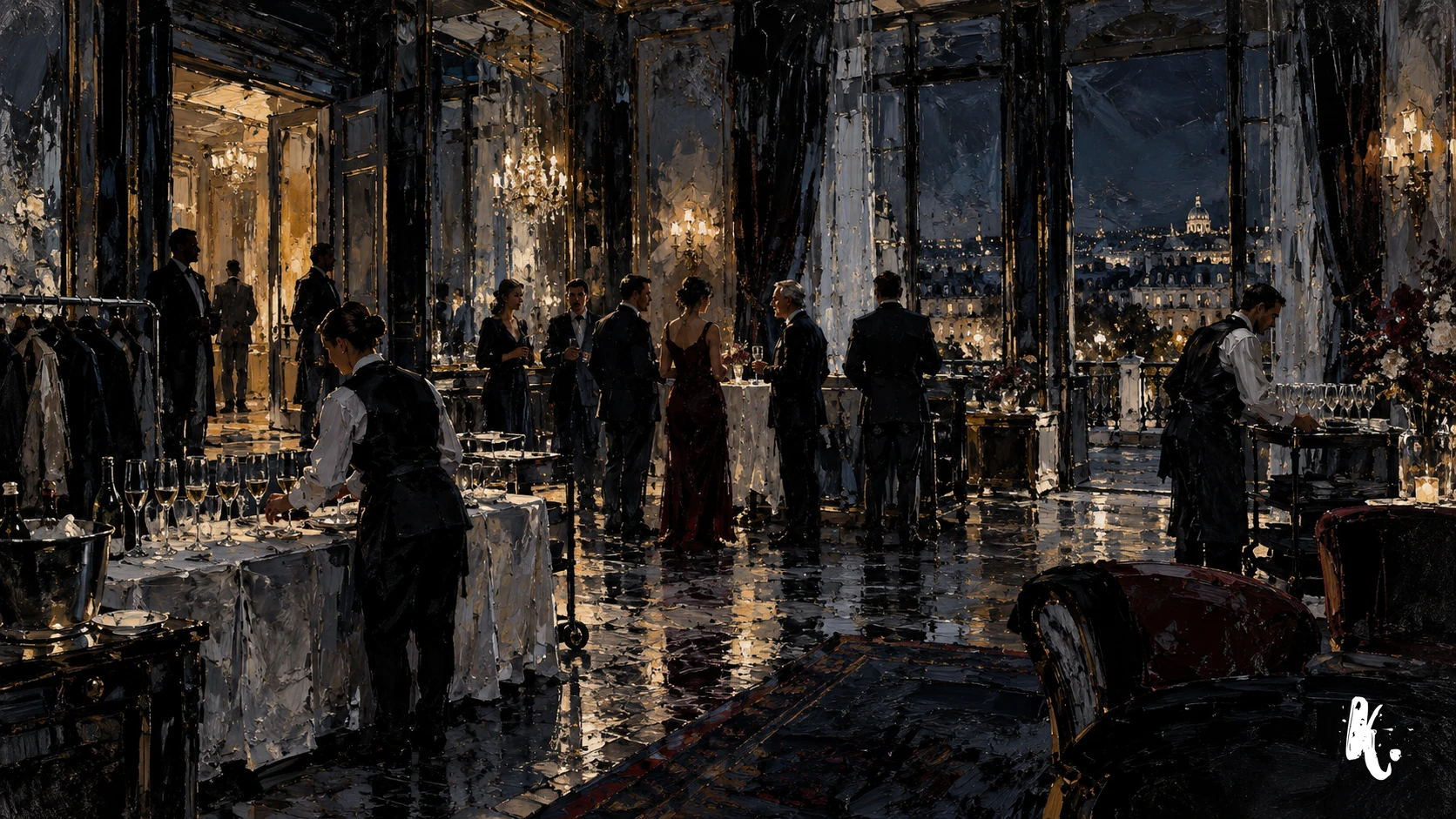
15e / Human cover: Medical meeting
Centre Saint-Vincent
- Atmosphere
- Functional rooms and the movement of professionals and visitors.
- Possible use
- A small gathering may fit within an announced meeting.
- Constraint
- People's confidentiality and access records must never be abused.
- Why here
- The venue's restraint makes a meeting plausible without needless prestige.
14e / Human cover: Community meeting
Maison des Solidarités
- Atmosphere
- Staff, volunteers and visitors with changing schedules.
- Possible use
- A small group may be hosted temporarily if it does not disrupt human activity.
- Constraint
- Unpredictable presence and a duty not to exploit the people receiving help.
- Why here
- Real community work offers an understandable cover, never a guaranteed room.
15e / Human cover: Night maintenance
Ateliers Mirabeau
- Atmosphere
- Workshops and service vehicles whose teams know the equipment.
- Possible use
- A brief visit is possible under an organised maintenance operation.
- Constraint
- Deliveries, noise, work logs and technicians moving through.
- Why here
- Logistics can explain arrivals and departures without a social event.
7e / Human cover: Charitable board meeting
Fondation Bellanger
- Atmosphere
- Limited reception rooms and staff who recognise guests.
- Possible use
- An occasional board meeting gives political discussion a human setting.
- Constraint
- Names, calendars and identifiable staff make repetition risky.
- Why here
- Its meeting function explains a few participants, not long-term occupation.
15e / Human cover: Inventory and handling
Centre Logistique Vaugirard
- Atmosphere
- Large spaces, visible operations and safety instructions.
- Possible use
- A short visit may accompany a genuinely scheduled inventory.
- Constraint
- Industrial surveillance, controlled access and team accountability.
- Why here
- Night work gives movement a clear purpose when nothing is improvised.
The Montparnasse tower belongs to an earlier period: it was a fixed Elysium until 23 March 2017. Its location in Le Havre does not make it active on later dates. Montparnasse
View the territorial map09 / Kindred associated with the Bourg
Kindred associated with the Bourg
Kindred associated with Le Havre are not a standing court gathered around Éléonore. Gaël Noiret, Georges known as Le Joe and Jacques de Saint Pol have different relationships with living spaces and movement; a territorial link does not place them on the same street tonight. L'Absent guards refuges without reclaiming his former name. Romain Delatour gathers voices and press clippings. Their work may cross the Bourg's politics without proving collective allegiance.
Lazare Vautrin belongs to another time: his torpor since 1972 is established. His memory and traces may matter in a present case; assigning him a current intervention would change his status. The Bourg's authorities act as Bourgmestre and Keeper. A personal account may clarify a connection; it never replaces the question at the table: who is actually here, with what authority and on whose behalf?
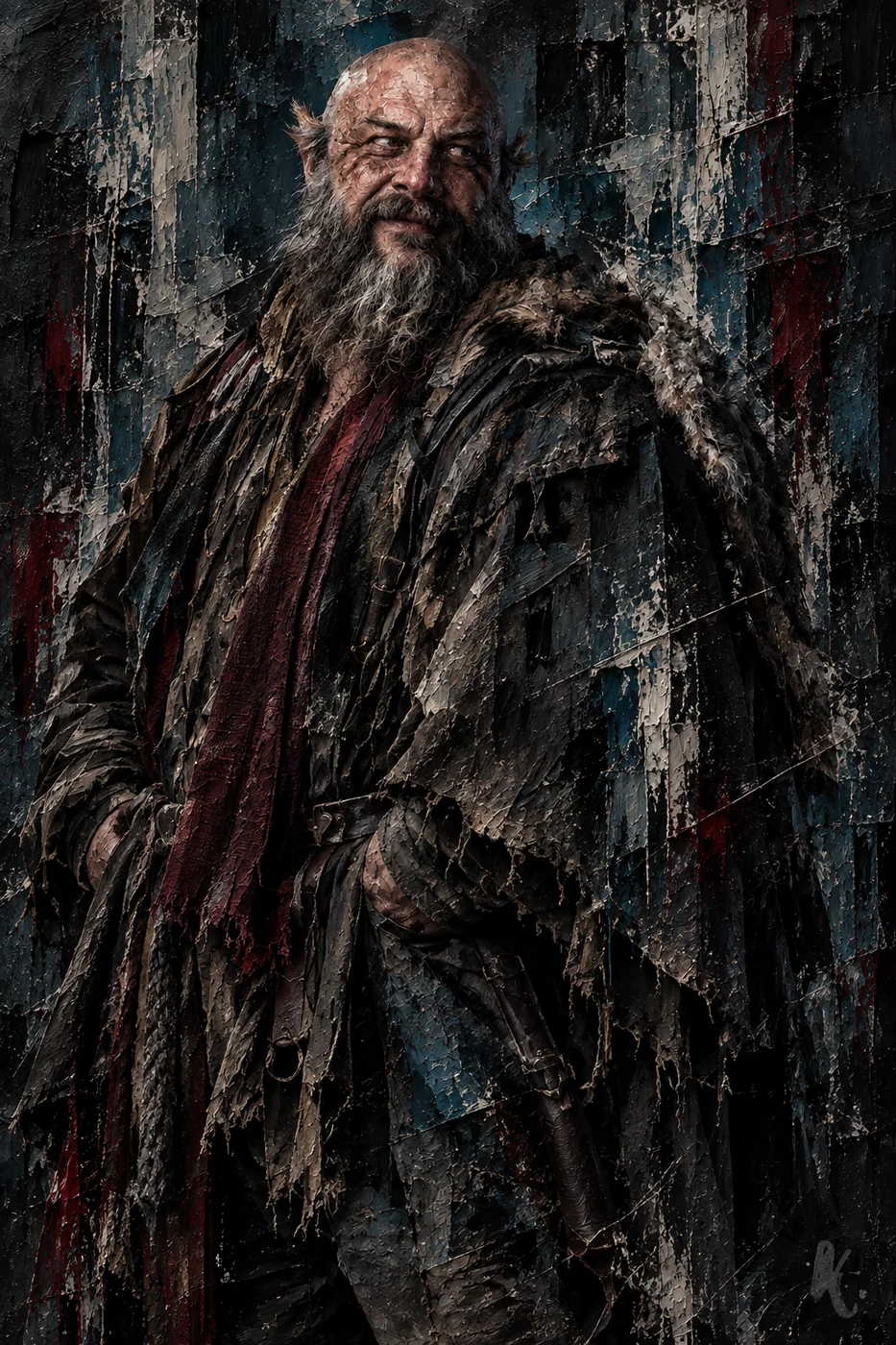
Gangrel
Gaël Noiret
A former forest ranger, Gaël crossed wastelands and ecological corridors before coming to Paris. His good humour vanishes when efficiency is used to justify the destruction of a living place. He negotiates only if the place will genuinely be protected.
Active, territory
Explore this public figure
Gangrel
Georges dit Le Joe
Georges distrusts Court structures and politicians who speak of stability when they mainly wish to protect their own. Within the Pourpre network, he brings knowledge of movement and a physical presence that is difficult to ignore.
Active, Pourpre network
Explore this public figure
Gangrel
Jacques de Saint Pol
A former guide and naturalist, Jacques knows how to cross territory without claiming it and read signs before seeing who left them. He defends living spaces against predatory development while knowing that Kindred often destroy what they claim to preserve.
Active, itinerant
Explore this public figure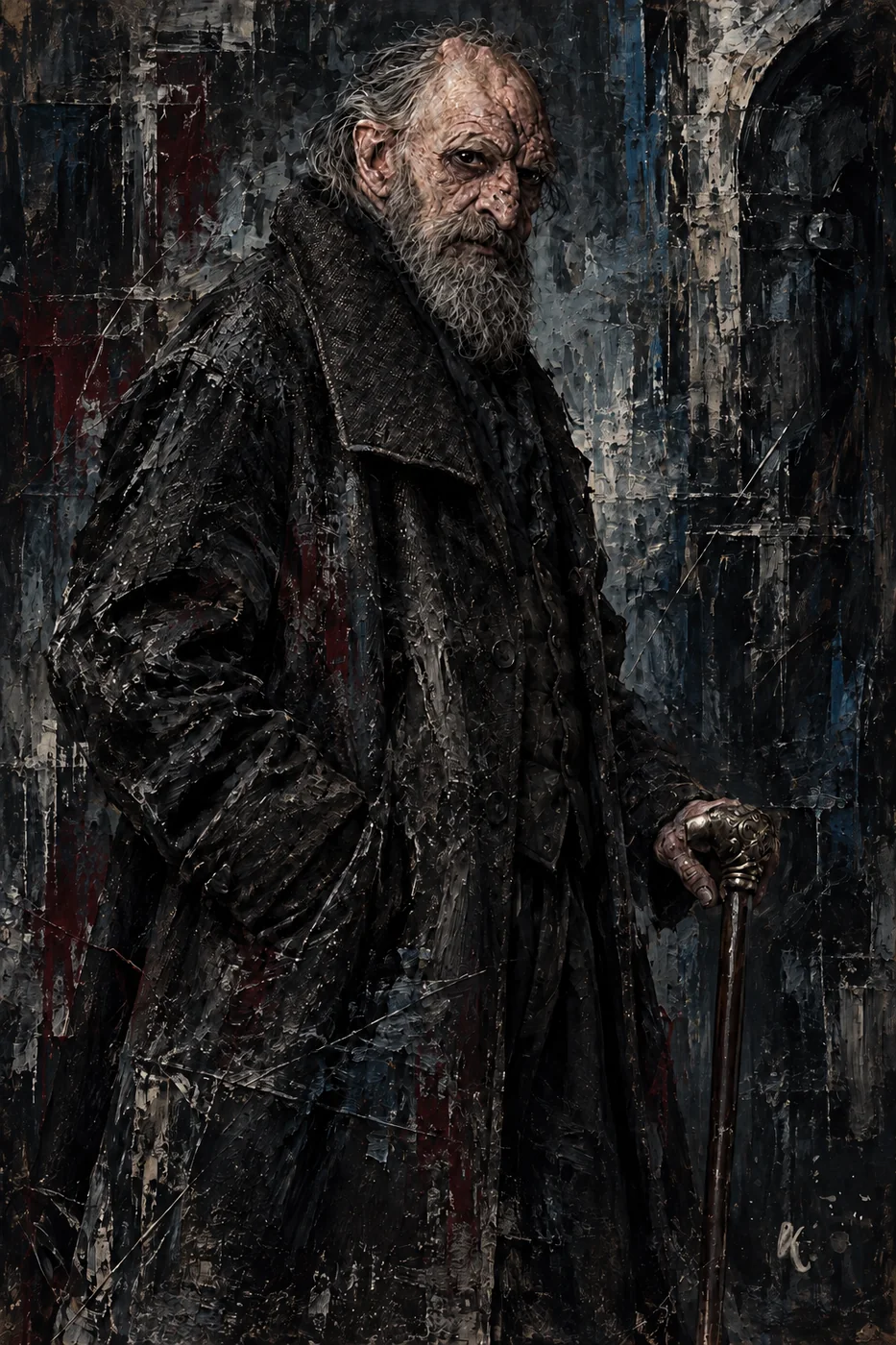
Nosferatu
Lazare Vautrin
A municipal archivist who became a keeper of underground memory, Lazare worked through facts, debts and verifiable traces. He has remained in torpor since 1972. Nothing in the public record presents him as active in the current nights of Paris.
In torpor since 1972
Explore this public figure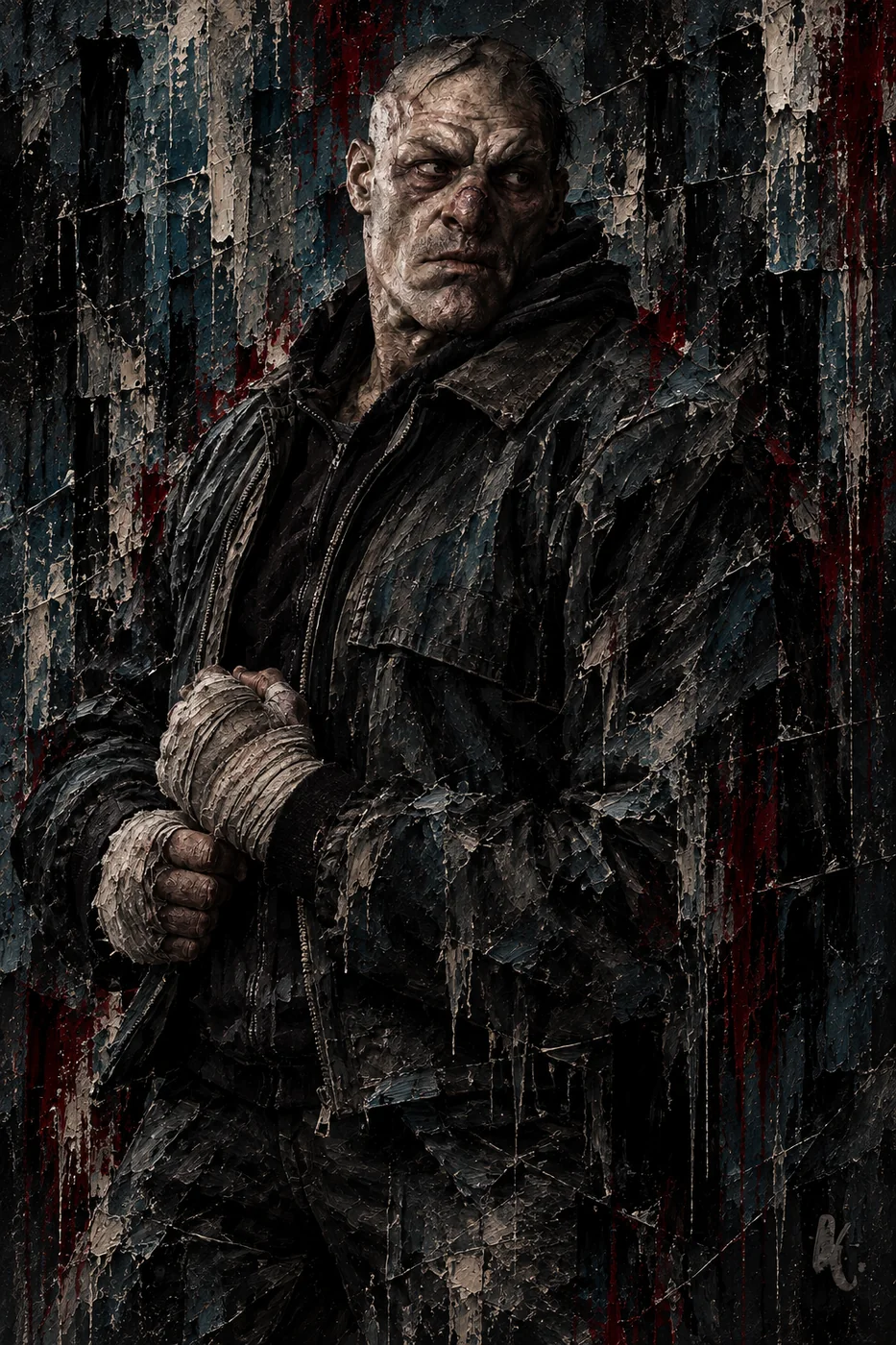
Nosferatu
L’Absent
A former security officer and mediator of physical conflicts, L’Absent abandoned his birth identity. He places himself between danger and vulnerable people. He sometimes accepts a debt he will never call in, without reclaiming the name he left behind.
Active, refuge guard
Explore this public figure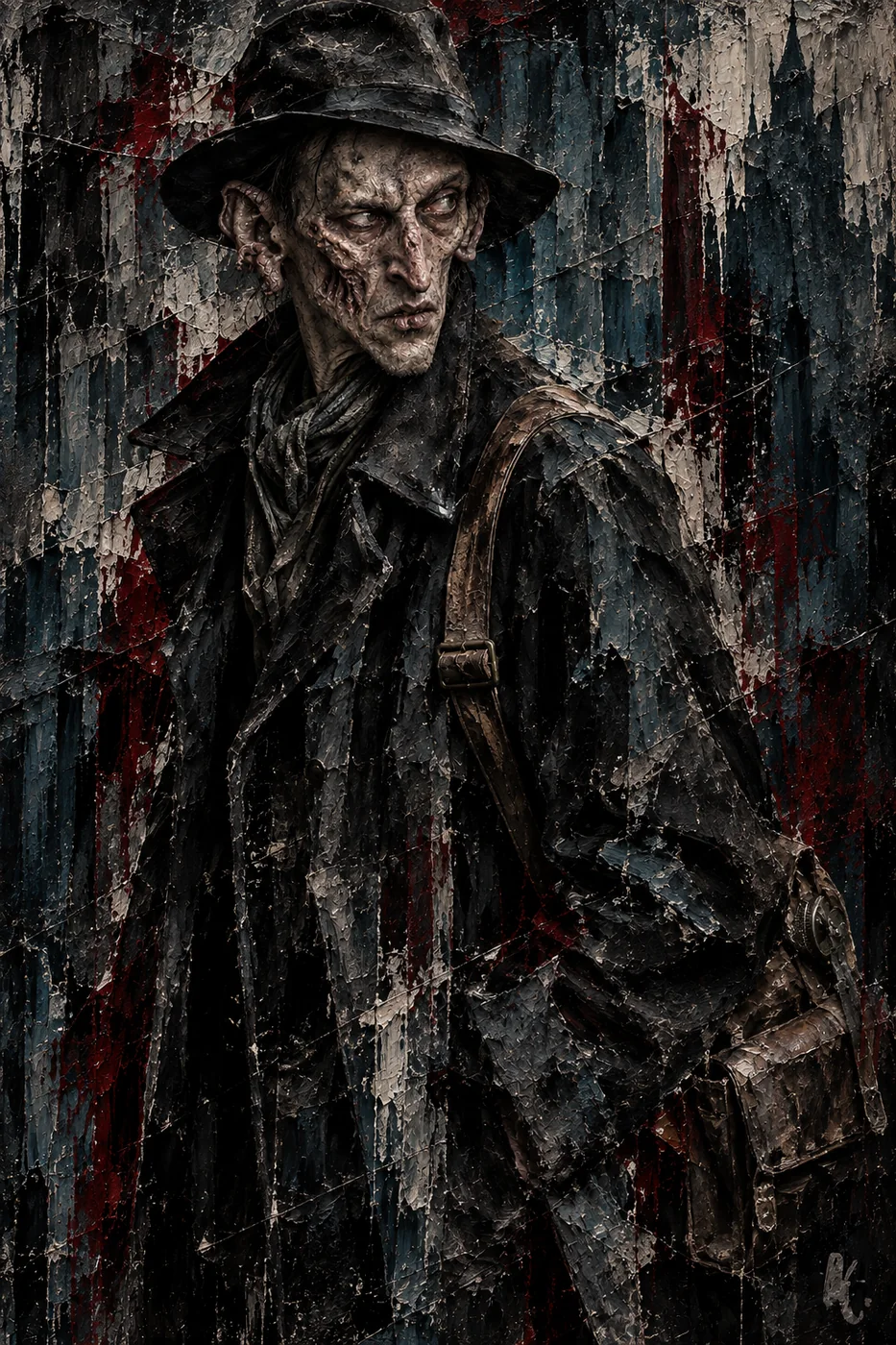
Nosferatu
Romain Delatour
A former local journalist, Romain realised that a series of minor news stories concealed a territorial conflict. He collects voices and clippings, always reminding others that every document has an author, an audience and an interest.
Active, press and archives
Explore this public figure10 / Institutions and networks
Institutions and networks
Éléonore holds territorial authority within the Praxis; Clara keeps the Peace of Paris at whichever venue hosts it that evening. Mortal institutions do not belong to them. Administrations, diplomatic missions, hospitals, associations, hotels and exhibition organisers act first under their own obligations. The Camarilla may negotiate access, gain a favour or face a refusal; it does not turn those organisations into secret departments of its government.
The Velours Gris and the Pourpre appear through personal links, not as proven organisations based in every district. The Sous-Sol or other circles may know routes, but knowledge is not ownership. The Catacombs cross territories; Orlok and some Nosferatu know parts of them without possessing the whole network. No public evidence establishes a Second Inquisition cell, Anarch base, Familia, Venator or chantry here. Such a claim remains something to test, not a territorial fact.
Other Bourgs meet Le Havre when someone asks for time, an address or an explanation. La Cour may seek a quieter place for a meeting; La Torche may demand that an account be checked; Les Hautes Terres may offer expensive protection. Éléonore cannot accept such requests without asking who will take responsibility for the exit. Le Havre is not Paris's erasure service: it retains enough memory to know when to refuse.
11 / Traces of the night
Traces of the night
A dated clipping can prove that a human event took place; it cannot prove who used the neighbouring streets at night. No known article establishes a specific incident at the Le Havre locations presented here. Assigning reports from elsewhere to the Bourg merely to fill that silence would mislead. The absence of an article proves neither safety nor a known secret.
Le Havre nonetheless has other legible traces: a room booking, a maintenance order, a shift log, a hotel invoice or a volunteer's note. Such items are not supernatural clues by nature. Their power lies in connecting modest independent details. The best shelter for one night may become a question weeks later if three institutions each retain one part of the same journey.
Kindred may try to correct an error, restore context to a note or protect a witness; they need not treat every document as something to destroy. An artificial gap may attract more notice than an ordinary visit. Romain Delatour reminds others that a clipping has an author, an audience and a purpose. Éléonore knows that a refuge requiring the destruction of human records has already ceased to be discreet.
No dated public clipping is currently linked to these places.
Explore the Archives12 / Playing Le Havre
Current tensions
The shelter that lasts
- Situation
- An address lent for one night receives new requests.
- Actors
- Éléonore, the human occupant, the claimants and Clara.
- Why it persists
- Everyone fears what will happen to the last protected guest if the door closes.
- What may worsen it
- Neighbours notice a routine no one had authorised.
- Player character involvement
- Player characters may arrange an exit or defend a time-limited protection.
Confidentiality misused
- Situation
- A Kindred invokes professional confidentiality to block a legitimate question.
- Actors
- Éléonore, healthcare professionals and the person concerned.
- Why it persists
- Saying too much may harm; silence may shelter abuse.
- What may worsen it
- Repetition reveals a pattern across several records.
- Player character involvement
- Player characters may protect the person without inventing a diagnosis.
Clara's exit
- Situation
- A temporary reception seems safe on arrival, but its exit route depends on a cancelled service.
- Actors
- Clara, the organiser and the building staff.
- Why it persists
- Moving the event would ruin an expected mediation.
- What may worsen it
- An improvised evacuation would expose the guests to the whole team.
- Player character involvement
- Player characters test routes and decide what risk to disclose.
The city that counts
- Situation
- Several venues compare visits presented as unrelated.
- Actors
- Romain, human managers, Éléonore and those named.
- Why it persists
- Every document is accurate, but no institution has the whole story.
- What may worsen it
- An attempt at erasure confirms that a connection exists.
- Player character involvement
- Player characters may establish the limits of what is known before an accusation spreads.
D10 / Rumours
- 01
Éléonore supposedly closed a shelter because people had become too comfortable there.
- 02
A seventh-district reception room supposedly keeps two guest lists with different names.
- 03
Clara is said to have rejected a perfect building for a reason she never put in writing.
- 04
A driver allegedly remembers three separate departures billed as a single journey.
- 05
L'Absent is said to have returned a key without calling in the promised debt.
- 06
A fifteenth-district hotel supposedly now asks for organisers' names twice.
- 07
Romain reportedly keeps a clipping its alleged author says they never wrote.
- 08
A community group supposedly moved rooms after discovering its own volunteers were not invited.
- 09
The Montparnasse tower is allegedly still a fixed Elysium for those who never accepted 2017.
- 10
A neighbour in the fourteenth is said to know more than every camera in the building.
D10 / Incidents
- 01
A hotel booking is cancelled without anyone telling the dispatched vehicle.
- 02
A cleaning team arrives before a discreet meeting has ended.
- 03
A visitor photographs a façade and inadvertently frames two guests.
- 04
A broken lift gathers people who were meant to leave separately.
- 05
A community organiser asks for the minutes of the meeting held in a room that was lent out.
- 06
A venue's shift change reveals a badge that was not returned.
- 07
A neighbour rings to ask who owns the van parked there all night.
- 08
A conference runs late and blocks the planned exit.
- 09
Two people claim the same key at the same time, with different authorisations.
- 10
An old press clipping is read as if it described the current address.
13 / Playing Le Havre
Story hooks
The room returned
A temporary shelter must be returned to its human occupant by morning.
- Problem
- The protected guest refuses to leave and another claimant already wants the address.
- Actors
- Éléonore, the occupant, both claimants and the player characters.
- Complication
- Neighbours have begun recognising the unusual hours.
- Open question
- Who is still owed protection when the place can no longer provide it?
A reason to pass
A guest must reach a seventh-district event through a controlled entrance.
- Problem
- The planned explanation relies on an employee whose shift has changed.
- Actors
- Clara, the new supervisor, the guest and the player characters.
- Complication
- A second check would connect two names meant to remain separate.
- Open question
- Should they abandon the meeting or openly request another authorisation?
The file too simple
An incident near Sainte-Anne receives a convenient explanation blaming a vulnerable person.
- Problem
- The account protects Kindred for now but may cause lasting harm to the person.
- Actors
- Éléonore, professionals, the person concerned and the player characters.
- Complication
- The first report has already reached other teams.
- Open question
- How can it be corrected without exposing what no human should have to carry?
Leaving at first light
A gathering protected by Clara ends later than planned.
- Problem
- Guests can no longer use the separate exits that were planned.
- Actors
- Clara, venue staff, guests and the player characters.
- Complication
- The first human shift arrives before the last group has left.
- Open question
- What explanation can remain true for everyone who worked that night?
Three receipts
Romain notices three ordinary documents connecting night movements.
- Problem
- Everyone named has a plausible reason to have been there, but not the same one.
- Actors
- Romain, those concerned, Éléonore and the player characters.
- Complication
- A human journalist asks a question without understanding the reach of the discovery.
- Open question
- What can be acknowledged without creating a lie more conspicuous than the facts?
The neighbouring conference
An event in the fifteenth changes its circulation plan at the last minute.
- Problem
- A temporary Le Havre gathering depended on the same delivery bay.
- Actors
- Clara, conference contractors, the human host and the player characters.
- Complication
- Moving the vehicles would draw more attention than postponing the evening.
- Open question
- Who accepts losing their appointment to protect the people working there?