04 / Territory
Les Hautes Terres
The territory of great fortunes and networks of power.
01 / Les Hautes Terres
In Les Hautes Terres, a closed door is not necessarily a threat. It may be the ordinary practice of a residence, an office, a hotel or an institution that screens visitors. Access takes the form of an invitation, a recommendation, a confirmed appointment. Someone who can have a name accepted need not own the building. Someone who thinks they own the building may discover that its staff, lease or board answers to someone else.
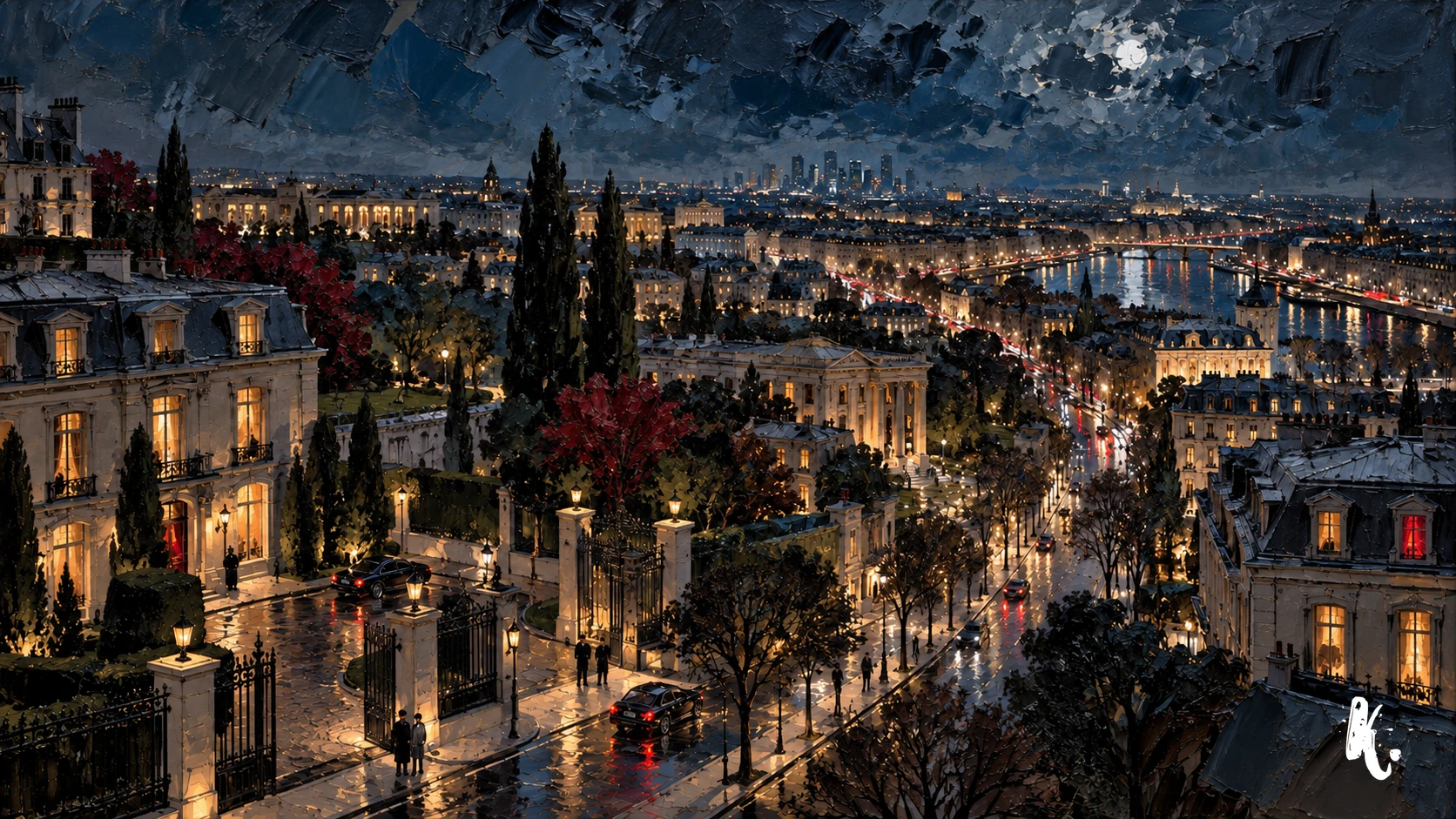
The Bourg covers the eighth, sixteenth and seventeenth arrondissements. These are neither one estate nor a uniform enclave of privilege. They bring together economic representation, homes and foundations, working neighbourhoods and routes of passage. Prestige gives some nocturnal presences a plausible human explanation; it does not erase guest lists, security staff, drivers or neighbours. The Masquerade must survive access records as well as the gaze of passers-by.
Constance de Rouvray governs this territory as a Ventrue, without mistaking her authority as Bourgmestre for private ownership or the clan's seat on the Council. Augustin Lemaire keeps the Peace of Paris when a venue hosts an Elysium. Their responsibilities meet at a reception's threshold: she may know the people on whom the address depends; he must decide whether the gathering can take place without human privilege claiming command of the Peace.
02 / Property and access
Property and access
“Les Hautes Terres possess” describes a way of acting. Useful possession may concern walls, but also rights of use, a calendar, a reputation, a service network or the ability to politely refuse entry. Here, a Domain dispute can begin with an apparently mortal question: who signed the lease, who pays for security, who can bring the owner to a meeting at midnight? A creature able to answer these questions holds more than an address on a map.
Wealth does not explain everything. A human institution retains its rules, employees and obligations; an embassy is no vampiric annex; a hotel does not stop receiving guests because a Kindred wants to hold court there. Resources can hire a room, engage professionals or distribute an invitation. They do not grant a right to erase the people who keep the place running. Vampiric power feeds on human structures with interests of their own.
Privilege works chiefly as a shared language. A guest waiting aside attracts no attention if an event includes private reception. A name missing from the list, however, triggers the same checks as a security incident. Someone who understands protocol may avoid a public embarrassment; someone who claims to stand above it turns an entire staff against them. This distinction gives the nights of Les Hautes Terres their quiet violence: exclusion can be perfectly courteous.
Jean-Armand de Pompignan's legacy weighs on this geography without making every property a relic of his rule. The books describe an apparatus of families, companies, debts and habits entrusted to Constance after his disappearance. The task is not to proclaim that it survives everywhere. It is to separate active loyalties from mere administrative routine. The Bourgmestre can negotiate with someone who actually holds power; she wastes time when she treats a procedure as a person.
Other Bourgs meet Les Hautes Terres when they ask for access. La Cour may seek a prestigious room for mediation; La Torche may ask where a document came from; Le Havre worries what a register will retain in the morning. None of those needs makes Les Hautes Terres Paris's secretariat. Constance may put someone in touch with a contact, recommend an interlocutor or refuse to commit a venue. Refusal has a cost, but promising a door one cannot control often costs more.
03 / PARIS
Three different arrondissements
The eighth: representation has a schedule
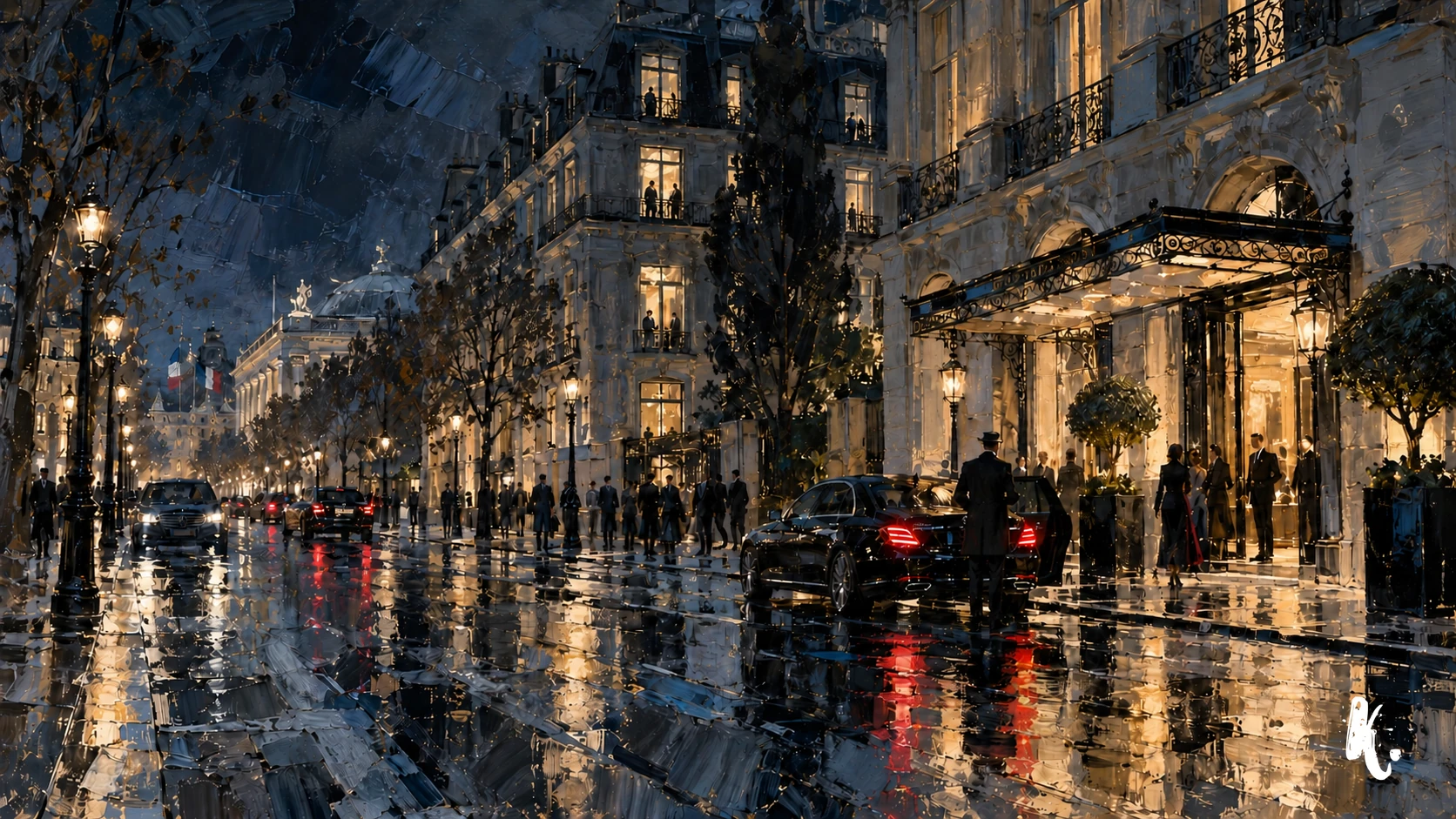
The eighth makes power visible without always showing its beneficiaries. Around its major avenues, hotels, corporate offices, professional firms, luxury businesses and venues of representation employ teams whose working day runs late. Late arrivals have ordinary reasons: dinner, a business trip, the end of a sale, a rescheduled meeting. Each leaves a list, an invoice or a call. This fabric offers Kindred plausible cover, provided it fits the venue's actual activity.
The Triangle d'Or is more than a stage for appearances. It gathers properties, firms and relationships capable of turning a request into an appointment. An address impresses, but a director, assistant, board or manager absent from every photograph may make the decision. Constance must know whom to approach. Asking an owner who no longer controls the building's use merely advertises ignorance.
The Élysée Palace and official buildings are landmarks of the arrondissement, not rooms available to the Praxis. Their proximity makes it more important to distinguish human authority from nocturnal politics. Security arrangements, accreditation and public obligations apply for reasons unrelated to Kindred. Knowing someone near an institution does not open every door, much less confer ownership of the institution itself.
The eighth at night also belongs to people who close rooms, clean, drive, guard and greet. They know secondary entrances, regular guests and departures from routine. A Kindred who merely impresses the room neglects those who must account for a broken glass, an overrun schedule or an unplanned exit. In a chronicle, the quiet witness may matter more than the guest whose title everyone knows.
The sixteenth: property never stands alone
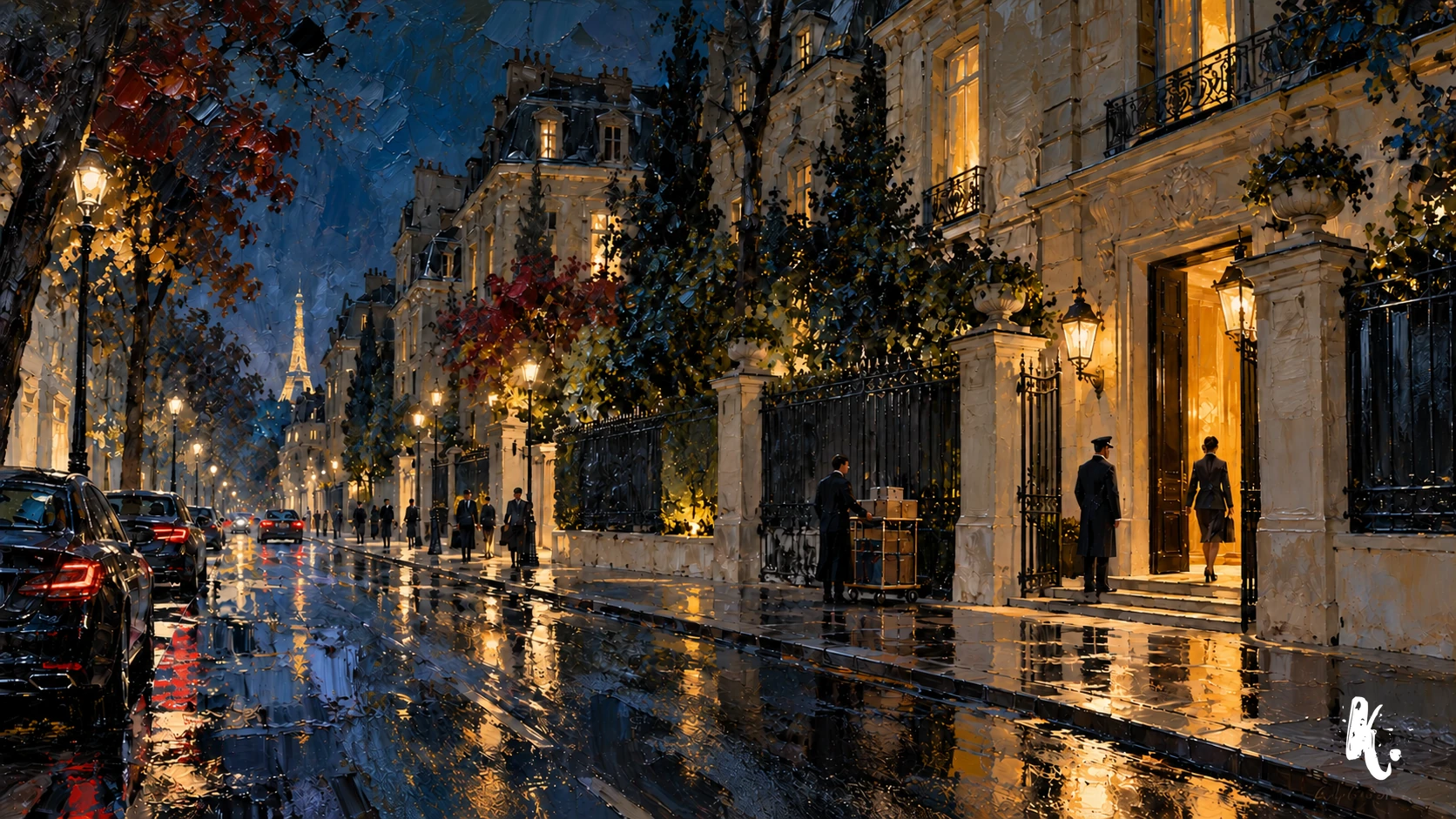
The sixteenth places residential avenues beside cultural venues, institutions, schools, green space and routes through the city. One may encounter a private reception and, a few streets away, a family returning home, a maintenance team or the last visitors at a public venue. The continuity of an estate does not make its uses secret. Delivery hours, neighbours' habits and household staff carry information without any central register collecting it.
A discreet façade may answer to a building manager, co-owners and service contracts no Kindred controls alone. A flat lent for one night can involve more people than a room hired openly. A neighbour hearing guests arrive does not need to know the vampiric reason to ask why the lift ran until dawn. A convincing explanation must fit the building's normal operation, not presume that its reputation will command silence.
Trocadéro is a highly visible threshold between homes, culture and visitor traffic. It suits a deliberate appearance but poorly protects a conversation someone later wishes to deny. The Bois de Boulogne, by contrast, offers a broad, variable edge, but neither a known supernatural enclave nor guaranteed anonymity. Its entrances, uses and visitors change with the hour. Both landmarks prevent the sixteenth from becoming a set of closed interiors: the territory exposes as much as it shelters.
A gallery or private circle may host a group under an intelligible human pretext. That possibility does not turn collections, employees and mortal guests into props. Restricted access must correspond to a real activity; art security, staff duties and obligations to neighbours remain. Augustin values such places precisely because restrictions are unsurprising. He must also know when they cease to be credible.
The seventeenth: intersecting entrances
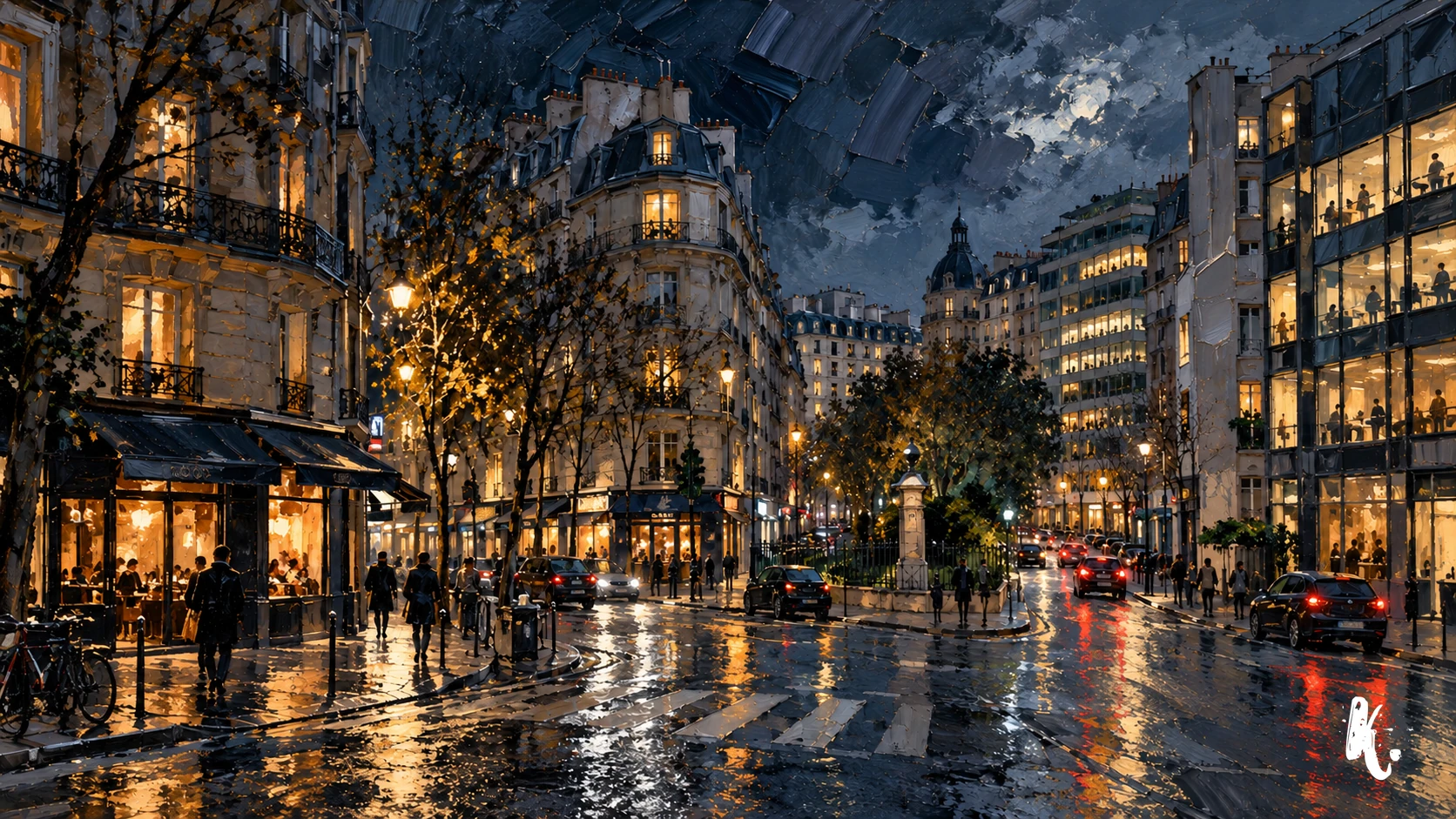
The seventeenth is not merely the eighth's residential annex. Batignolles, Ternes and Plaine Monceau differ in their relations to work, movement and home life. Around offices and major roads, a meeting may continue under a professional appearance; in a more domestic street, late visitors become faces people notice. Les Hautes Terres must govern those differences without pretending that one invitation works everywhere.
Parc Monceau gives the area breathing room, still governed by ordinary use: walkers, neighbours, opening hours and its surrounding streets. Near the Arc de Triomphe, movement converges from several arrondissements; the monument attracts attention rather than deflecting it. Porte Maillot and the Palais des Congrès add visitors in transit, events, hotels, contractors and group departures. These are not interchangeable shelters. Each brings a different scale of witnesses and records.
A reception in a seventeenth-district flat may be easier to organise than a gala and far harder to repeat. Co-ownership rules, post, deliveries, visitors and neighbours' memories set concrete limits. A Keeper of Elysium must manage arrivals without making the landing resemble a queue. The distinction between private and public space protects no one if the building notices the same exception every month.
Neighbourhood life also supports stories beyond old wealth. A company moves office; a family sells a flat; a business changes hours; a building adopts a new security rule. These changes are not Praxis conspiracies. They can nevertheless make a nocturnal habit obsolete. Constance needs people who notice what the Bourg loses when humans make decisions for their own reasons.
04 / Authority and stewardship
Authority and stewardship

Bourgmestre / Ventrue
Constance de Rouvray
Constance de Rouvray inherits a Bourg shaped before her. Paris la Nuit describes an apparatus of families, companies, debts, loyalties and habits marked by Jean-Armand de Pompignan. She cannot simply command it as an intact estate: some relationships still answer to people, others to contracts, and others to routines that outlived their founder. Governing means establishing which obligation still holds before trying to use it.
That position gives her a particular strength. She knows territorial authority is not measured by the number of keys on a ring. She must identify who can promise, introduce, finance or refuse, and who will bear the consequences. A recommendation given too quickly can place a human host in a position they never accepted. A favour obtained through an old network may bind the Bourg long after the evening that made it useful.
Constance distinguishes her office from Dame Freesia's. Freesia represents the Ventrue on the Council and presides over the Directorate of France; Constance governs Les Hautes Terres. Their interests may coincide, but their authority does not merge. Pompignan's disappearance showed the danger of allowing one private dominion to define a territory's politics indefinitely. Constance gains nothing by calling every property in the Bourg a clan possession.
Her relationship with the Court and Villon follows from the Praxis she serves, not from invented intimacy. The sources establish her office and the legacy she administers; they do not recount every conversation with the Prince. A chronicle may test a disagreement without declaring it canonical. The public facts already suffice: a royal decision may require access Constance must verify, and a possible refusal must be stated as a real limit rather than a salon insult.
With Augustin, the distinction is closer. She knows major fortunes and networks of influence; he understands how an evening, a collection, guests and staff become social infrastructure. She can recommend a venue. He must judge whether the Peace of Paris can be upheld there without depending on the owner's goodwill. When Augustin reminds the Bourgmestre that she is a guest within an Elysium, that limit protects her office as much as his.

Guardian / Toréador
Augustin Lemaire
Augustin Lemaire was an auctioneer and adviser to private collectors. That experience informs his doctrine as Keeper: conceal power behind privilege. He does not seek a mysterious building. He seeks a venue whose human uses already explain selective invitations, unusual hours, staff and a degree of distance between hosts and passers-by. The best cover is one mortals have their own reasons to respect.
Prestige alone is not enough. A venue too exceptional becomes a story in its own right: photographs, curiosity, guest lists studied afterwards. Augustin prefers an evening important enough to explain its logistics but ordinary enough in its milieu to end without disproportionate public memory. An art appraisal, patrons' dinner or private showing can meet that standard when they fit the venue's real activity. None makes the Elysium automatically active.
His authority is not an administrative delegation from Constance. The Bourgmestre answers for the Bourg; Augustin answers for a temporary Elysium and the Peace upheld there. Ownership of the room, the host's money and guests' status exempt no one from that Peace. The Keeper must therefore be able to reject a venue proposed by an influential figure, even when the refusal complicates an anticipated negotiation.
His doctrine nevertheless depends on human professionals: reception, security, transport, cleaning, conservation of works and relations with neighbours. Their competence does not mean they know vampiric society. A cover that forces them to lie without preparation or face unusual risk is poor, even if the evening looks perfect to its guests. Augustin must consider what happens after the last speech and before the first morning shift.
05 / The machinery of privilege
The machinery of privilege
Les Hautes Terres live through chains of delegation. One person recommends, another books, a third authorises late opening, a fourth ensures the venue is returned in good order. These tasks have names and schedules. Experienced Kindred do not treat staff as a faceless crowd: an event rests on the memories of those who organise it. Asking them for an exception can be more dangerous than meeting a political rival inside.
Foundations, schools, galleries, firms and private circles do not receive visitors in the same way. Some publish their activities; others protect clients' confidentiality. None ceases to belong to the human world. A political relationship has value here because it is precise. “I know someone” will not pass a check if that person controls neither hours nor access. Old networks can begin a conversation, never replace verified permission.
Reputation also travels between circles that need not meet. A driver knows which journeys finish late; a concierge recognises returning faces; an assistant remembers the name added at the last moment. These observations do not form a conspiracy. They are ordinary material a vampiric rumour might exploit or a human inquiry might use. The soundest protection is not to silence everyone but to avoid demanding a story no one can sustain.
06 / Hunting in Les Hautes Terres
Hunting in Les Hautes Terres
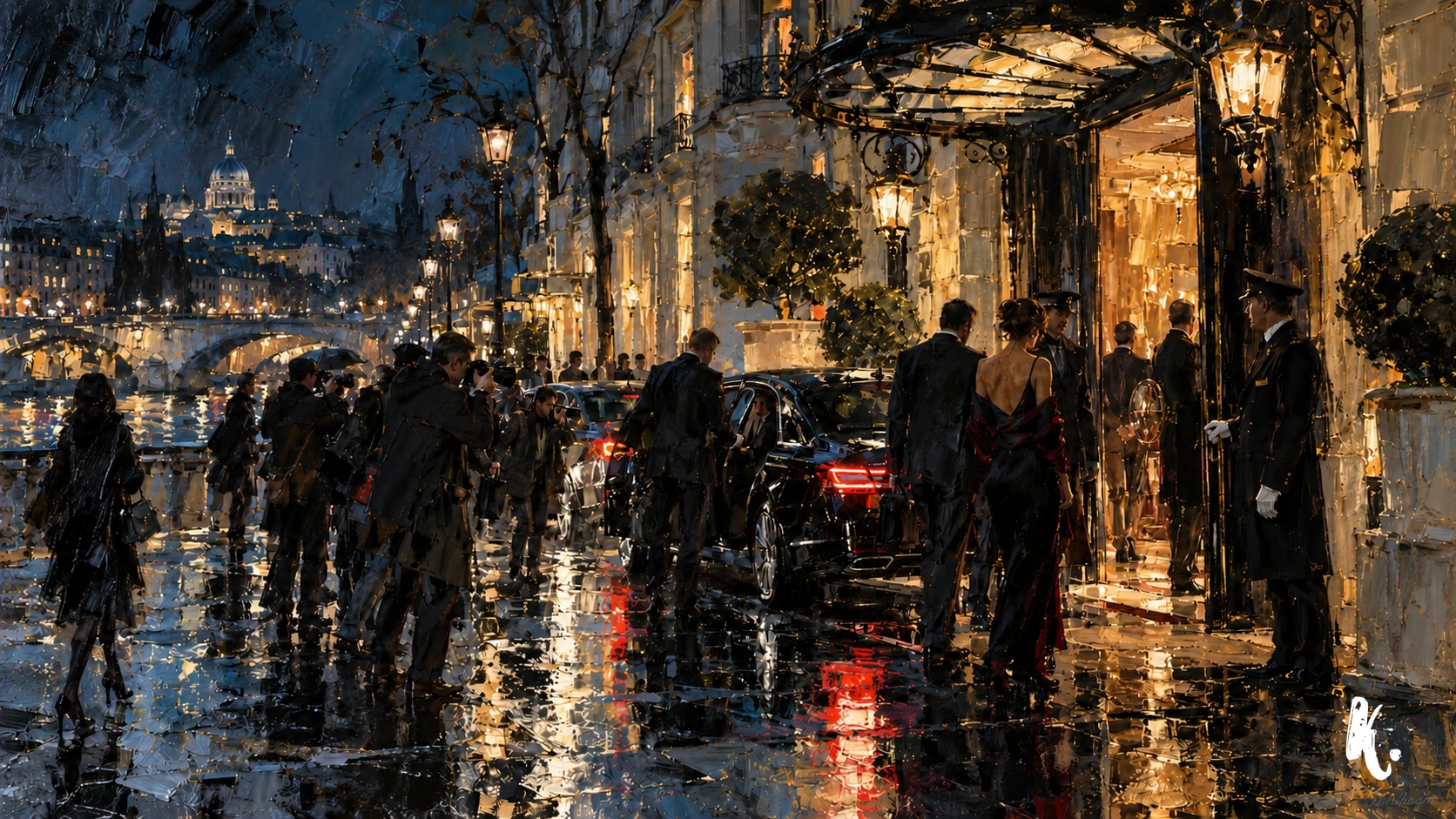
Hunting in Les Hautes Terres begins with understanding who has a reason to be present. Hotels, receptions, late restaurants and business journeys offer encounters; they are also organised to know who enters, leaves and accompanies whom. A face seen in a lobby may be recorded by several systems and recognised by staff. A predator seeking only an isolated target may discover that no one is truly alone in such a venue.
A potential victim's wealth does not make them available. Some people travel with others, use drivers or tell someone before changing venue. Others work for them and lack the same protections or freedom to refuse a request. A hunt that exploits that imbalance may leave a victim, colleague and supervisor caught in one account. The Masquerade then plays out in working relationships as much as in visible wounds.
Transactions and access leave durable records: booking, payment, badge, camera, car journey, service invoice. None alone proves the presence of a vampire. Together they may contradict an improvised account. Feeding here need not turn the Bourg into an easy hunting ground; it requires a credible human situation, attention to others' risks and the ability to accept that an alluring opportunity may be unsafe.
Open spaces do not automatically solve the problem. A main road brings traffic and light; a quiet street has fewer immediate witnesses but more neighbours able to recognise a pattern. The Bois de Boulogne has its own nocturnal uses, and its edges guarantee no disappearance. Hunting should remain a scene decision in which Hunger, Masquerade and Humanity matter, not a yield calculated from property prices.
D10 / Hunting circumstances
- 01
After a business dinner, a guest waits alone for their car. The opening is brief; the driver already knows their name and departure time.
- 02
A hotel employee finishes a shift while another floor remains occupied. Access seems easy, but their absence will prompt a question among colleagues.
- 03
A guest wants to continue a conversation away from a reception. They readily agree; their phone still shares their position with someone close to them.
- 04
A booked car is cancelled outside a gallery. The passenger seeks another ride; the app keeps the place and time of cancellation.
- 05
At the edge of the Bois de Boulogne, a meeting seems unwatched. A regular route is nevertheless familiar to the area's night users.
- 06
A receptionist offers to guide a visitor to a quieter room. The help opens a space but creates a witness able to describe both people.
- 07
Someone at an exhibition opening steps away to make a call. They stop responding to the group; someone is already watching the door for them.
- 08
An executive leaves an office late after a tense negotiation. Security logs their departure and their next appointment is on the calendar.
- 09
A concierge recognises someone claiming to wait for a friend in the building. The story may hold unless the name matches no resident.
- 10
Two guests leave a private circle separately and meet outside. The encounter is discreet, but staff remember both departures.
07 / PARIS
Places and landmarks
8e
Triangle d'Or
An address functions as a recommendation. The political question is not merely who owns what here, but who can have a visitor admitted by those who control access.
Local importance : The Triangle d'Or gathers wealth, property and networks of access without belonging to the Ventrue alone.
Associated Kindred : No specific public association
Explore the placeView the territorial map8e
Palais de l'Élysée
A centre of human authority and a landmark in the eighth. Its proximity obliges Kindred to respect real institutional limits; it grants no vampiric hold over the palace.
Associated Kindred : No specific public association
Explore the placeView the territorial map16e
Trocadéro
A place for appearances and movement. One may be seen here, but can hardly claim afterwards that no one witnessed the meeting.
Associated Kindred : No specific public association
Explore the placeView the territorial map16e
Bois de Boulogne
The broad western edge changes with the hour. It is neither an automatic refuge nor an established supernatural Domain.
Local importance : The Bois de Boulogne gives western Paris a broad nocturnal edge. No known supernatural enclave has formed there.
Associated Kindred : No specific public association
Explore the placeView the territorial map8e
Parc Monceau
The park and its surroundings connect daily movement with residential prestige. Hours, gates and neighbours make routines visible.
Associated Kindred : No specific public association
Explore the placeView the territorial map17e
Porte Maillot / Palais des Congrès
Events, hotels and contractors make unfamiliar visitors plausible, but each leaves bookings, instructions and schedules.
Associated Kindred : No specific public association
Explore the placeView the territorial map08 / Possible mobile Elysiums
Possible mobile Elysiums
Examples from the public register. These are possibilities, not an exhaustive list, a fixed rotation or an active selection for this date.
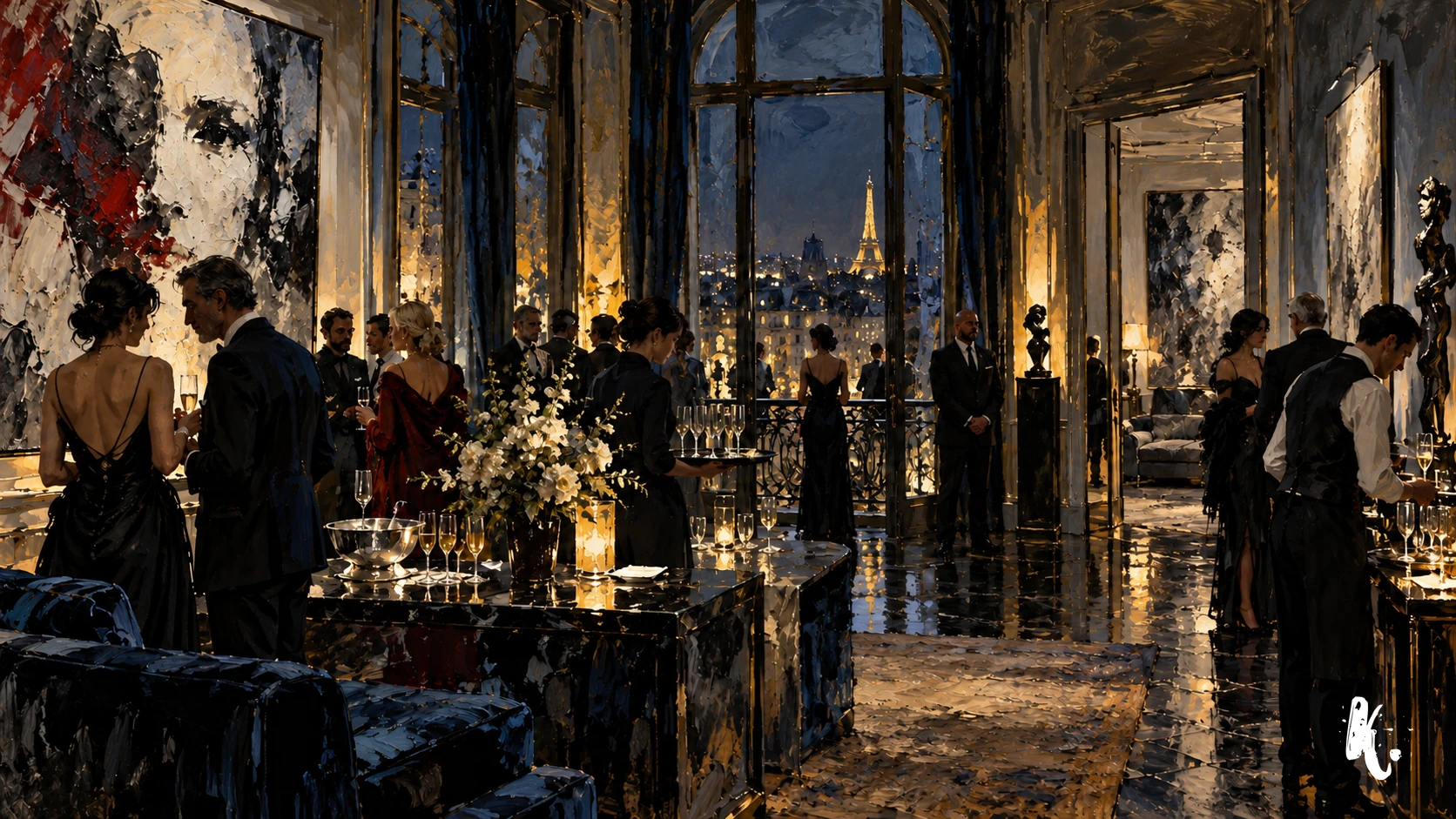
8e / Human cover : Patrons' dinner
Hôtel de Ségur
- Atmosphere
- Reserved table, announced arrivals and reception staff.
- Possible use
- A small mediation under the appearance of a private dinner.
- Constraint
- Visible guests leave a social memory.
- Why this venue
- Prestige explains selective invitations without announcing the Praxis.
16e / Human cover : Private viewing
Galerie Montfaucon
- Atmosphere
- Artworks, restrained lighting and supervised movement.
- Possible use
- A brief exchange within a collecting context.
- Constraint
- A single main entrance concentrates attention.
- Why this venue
- Restricted access is ordinary for a gallery.
17e / Human cover : Private meeting
Appartement Delorme
- Atmosphere
- Domestic reception room and nearby neighbours.
- Possible use
- A gathering limited to a few people.
- Constraint
- Neighbours notice repeated arrivals.
- Why this venue
- Intimacy avoids spectacle if the use remains exceptional.
8e / Human cover : Art appraisal
Maison Kessler & Fils
- Atmosphere
- Objects examined, scheduled appointments and specialist staff.
- Possible use
- A limited discussion under the cover of an appraisal.
- Constraint
- Valuable objects require security checks.
- Why this venue
- The business justifies selectivity, discretion and unusual hours.
16e / Human cover : Closed dinner
Cercle d'Auteuil
- Atmosphere
- Regulars, established service and limited access.
- Possible use
- A political exchange with a controlled guest count.
- Constraint
- Permanent staff recognise departures from routine.
- Why this venue
- Confidentiality is already part of the venue's customs.
09 / Kindred linked to the Bourg
Kindred linked to the Bourg
The published territorial ties do not form Constance's private court. Astérion, Bastien de Céran and Samuel Kehl are anchored in Les Hautes Terres; their lives cannot be reduced to an address or clan. Putting them together in a scene is a chronicle choice, not an attested meeting. Each nevertheless asks a different question of the Bourg: who protects, who gets through, who advises?
Astérion built a heroic figure to hold fear and violence at a distance. His sincere protection is not necessarily fair; it may focus attention on the person who decided a danger existed. Bastien knows exits and shelters better than political custom: valuable knowledge in a territory of doors, but no claim over their owners. Samuel, once the head of a family business, advises younger Kindred without accepting the role of decorative survivor. Their skills may intersect, clash or remain separate.

Malkavian
Astérion
A former sound engineer and amateur wrestler, Astérion built a heroic identity to hold a line between fear and violence. His mask and emblem are taken seriously. His protection is sincere, though it does not always make him fair.
Active, protector
Explore the public record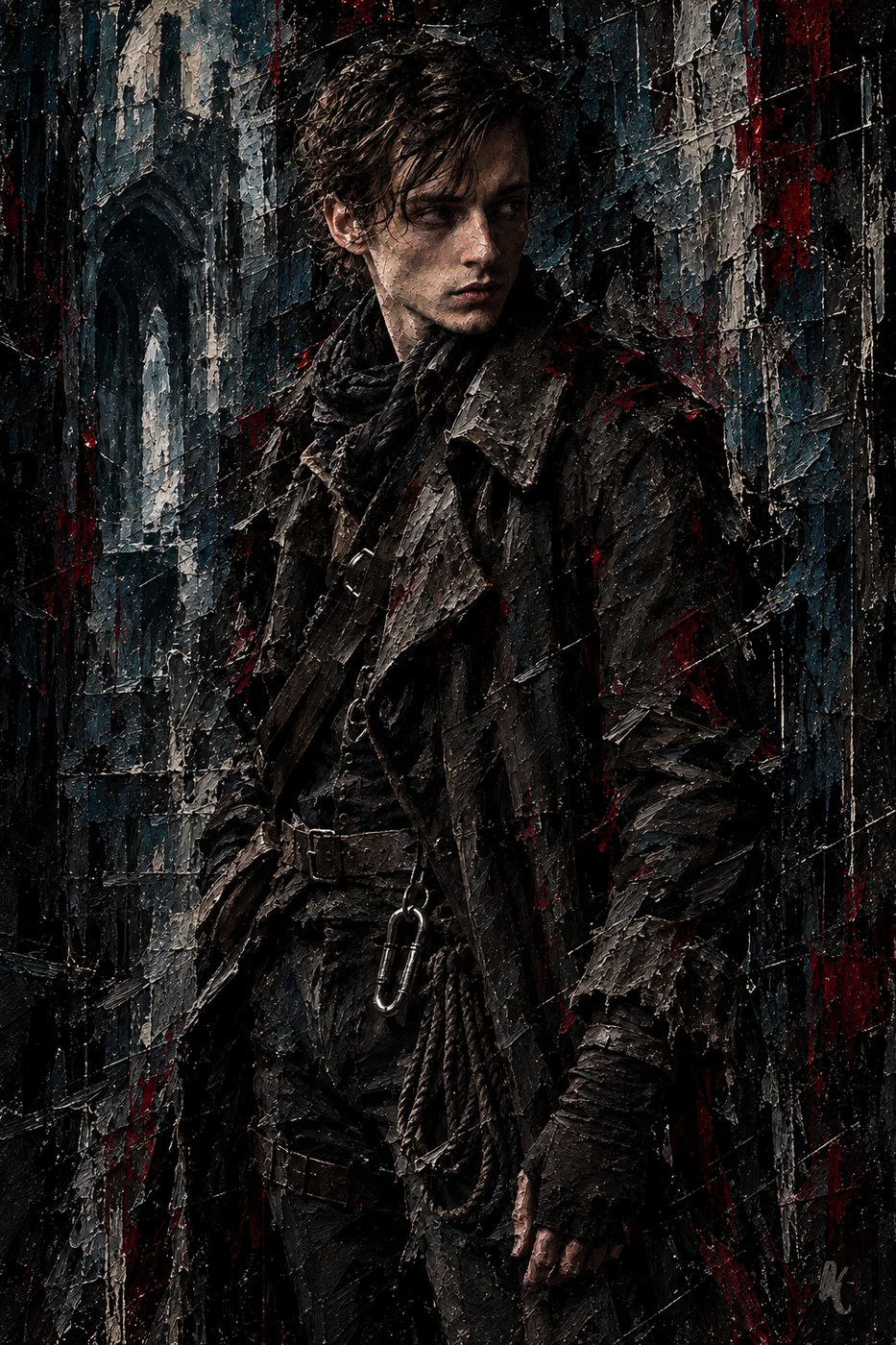
Ventrue
Bastien de Céran
Born to a ruined family, Bastien knew how to enter a building, find shelter and disappear before his Embrace. He knows exits better than political custom. His equipment is both a real skill and armour against fear, not a military office.
Active, scout
Explore the public record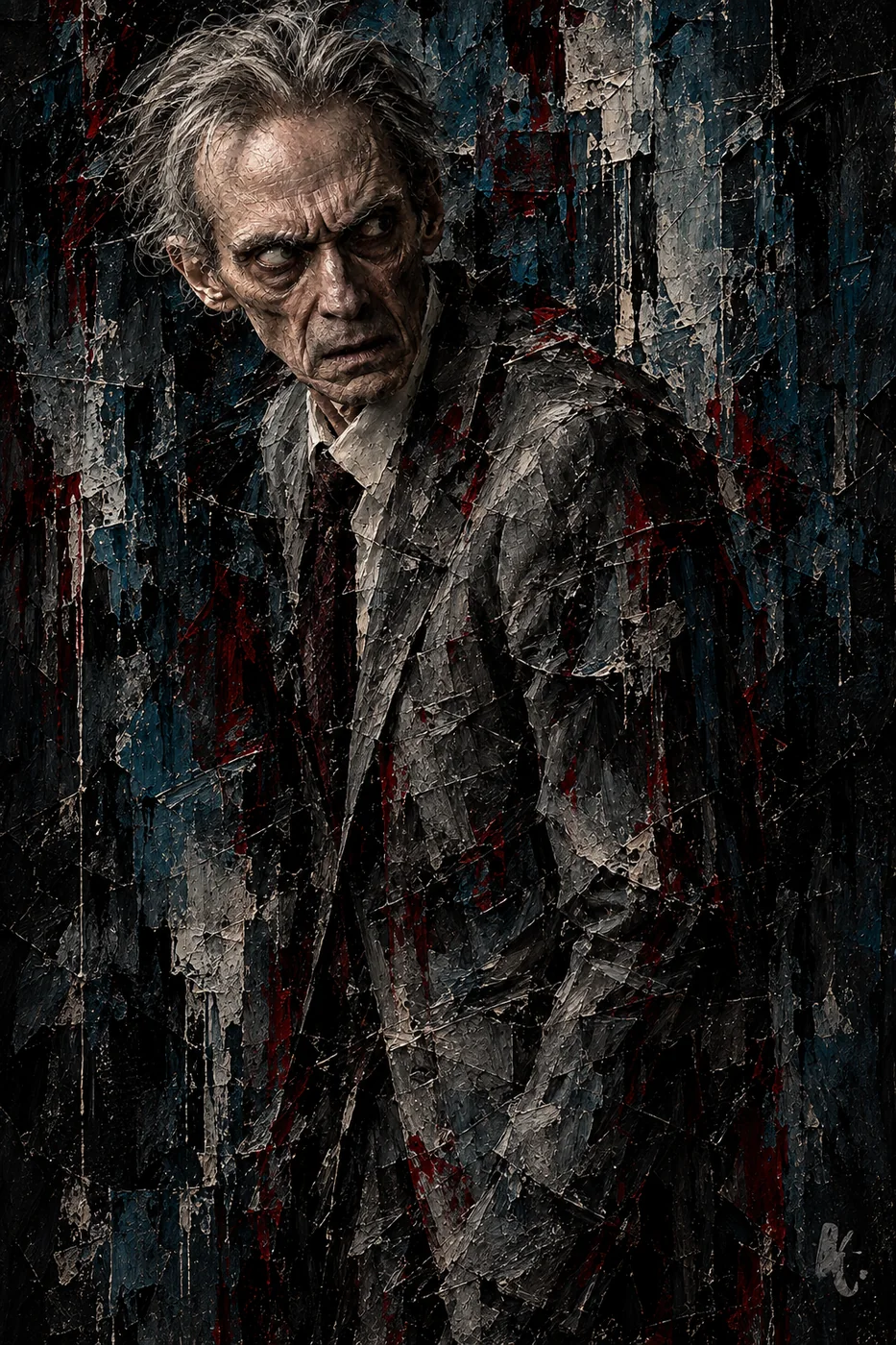
Ventrue
Samuel Kehl
A former head of a family business, Samuel was Embraced late after a life shaped by patience and crisis management. The reorganisation of 2010 taught him the fragility of elders. He advises the young but refuses to be treated as a survivor by default.
Active, adviser
Explore the public record10 / Institutions and networks
Institutions and networks
The Court, Council and territorial offices remain distinct from the human institutions shaping the Bourg. A company can change directors; a foundation answers to its board; a co-owned building votes; staff follow instructions. Kindred may influence people, but cannot turn all these structures into organs of the Praxis by assertion. That separation makes Les Hautes Terres playable: every access granted has someone accountable for it and limits the player characters may discover.
Diplomacy is not confined to embassies. It also lives in the person introducing a guest without publicly committing an employer, the patron lending a room without promising the foundation, or the lawyer reminding everyone that a favour is not a right. Constance must negotiate those distinctions. Augustin must ensure the Peace of Paris does not rest on a misunderstanding with a human host.
11 / Traces and a dated Archive
Traces and a dated Archive
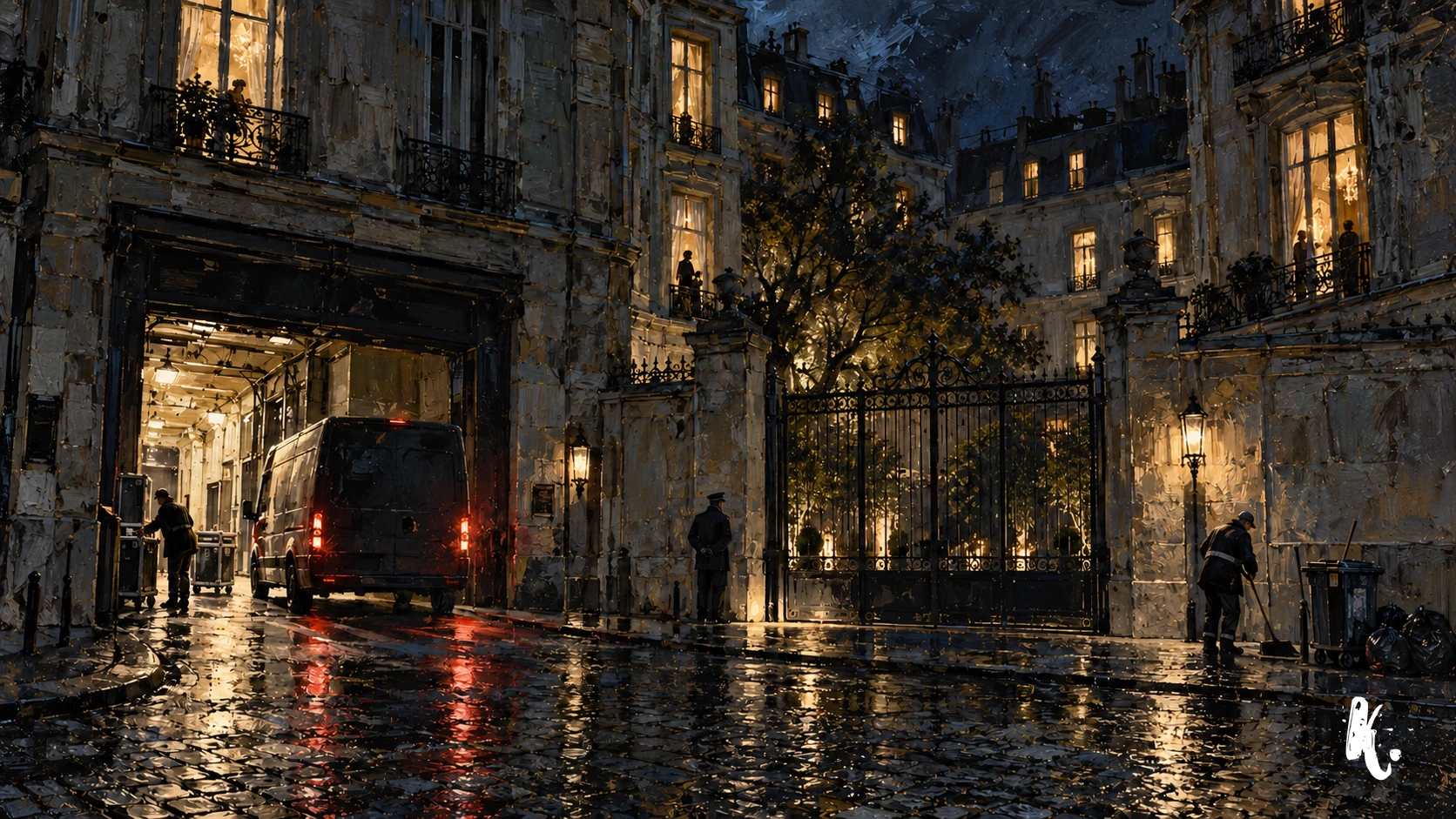
Les Hautes Terres leave elegant, ordinary traces: an amended invitation, reviewed camera footage, a driver called back, one invoice compared with another. None establishes a supernatural secret. Together they may make an account impossible to maintain. The Bourg is vulnerable when its inhabitants mistake prestige for the disappearance of evidence. After a reception, someone returns the key, pays the staff and closes the accounts.
A dated public Archive reports a white-blade killer in the seventeenth arrondissement in January 2025. It is a human news report, not proof that Constance, Augustin or a local Kindred was involved. Such a clipping shows how local concern can travel beyond salons and prompt checks affecting innocent people too. The account need not identify the attacker to take its consequences seriously.
12 / Playing Les Hautes Terres
Current tensions
A promise without authority
- Situation
- A room was offered to Constance by someone who can no longer commit the institution that owns it.
- Actors
- Constance, the new administrator, Augustin and those requesting the Elysium.
- Why it persists
- Revoking the promise would offend allies; honouring it would force an exception on human staff.
- What could worsen it
- An invitation is sent before a decision, creating public expectation.
- Player character involvement
- Player characters establish who has authority, negotiate another venue or explain why the evening must wait.
Protection too visible
- Situation
- Astérion wants to protect someone already known to the neighbours.
- Actors
- Astérion, the protected person, neighbours and Constance.
- Why it persists
- The danger is not publicly established; withdrawing the guard seems to abandon the person.
- What could worsen it
- The protection attracts questions faster than the danger it was meant to prevent.
- Player character involvement
- Player characters can clarify the risk and seek a proportionate solution the protected person accepts.
Council and Bourg
- Situation
- A request is made to Constance as though Ventrue support were enough to command a property in the Bourg.
- Actors
- Constance, the claimant, the human holder of the venue and clan representation.
- Why it persists
- No one wants to challenge a favour in public before knowing what it covers.
- What could worsen it
- The claimant announces a meeting no one can guarantee.
- Player character involvement
- Player characters may distinguish mandate, recommendation and rumour without issuing a clan verdict.
An evening repeated
- Situation
- The same venue hosts too many discreet gatherings under slightly different pretexts.
- Actors
- Augustin, the venue manager, staff and regular guests.
- Why it persists
- Each event remains plausible on its own, and moving would cost useful relationships.
- What could worsen it
- An employee compares lists and asks why the same names recur.
- Player character involvement
- Player characters can propose a pause, another kind of meeting or a limited explanation to those concerned.
D10 / Rumours
- 01
Constance allegedly refused a meeting because the owner did not know who held the keys.
- 02
An old Pompignan arrangement supposedly keeps sending invitations without any Kindred ordering them.
- 03
Augustin reportedly prefers a small gallery to a luxury hotel once the guest list exceeds the staff list.
- 04
A reception in the eighth was supposedly moved to avoid a group photograph.
- 05
Samuel Kehl is said to recognise an old debt in a document no one showed him.
- 06
Bastien supposedly knows a service exit the new manager has sealed.
- 07
A gallery in the sixteenth supposedly keeps guests' names under two different spellings.
- 08
Neighbours in the seventeenth supposedly understood an event before its host did.
- 09
Astérion is rumoured to protect someone who never asked for help.
- 10
A mere recommendation from Constance is said to open every door; those repeating it avoid testing the claim.
D10 / Incidents
- 01
A guest's name is absent from the list as their car reaches the hotel.
- 02
A co-owned building announces a new access rule on the day of a private meeting.
- 03
A driver asks who changed their route.
- 04
Gallery staff refuse to keep a room open without a named person in charge.
- 05
A valuable object is missing from the inventory during a reception, with no evident link to the guests.
- 06
A neighbour photographs the landing to document an ordinary disturbance.
- 07
A building concierge recognises someone introduced under another name.
- 08
A room promised for the evening is suddenly booked for a higher-priority human meeting.
- 09
A journalist asks to see a list of a foundation's supporters, unaware of the nocturnal stakes.
- 10
A security shift change leaves an expected visitor outside a locked door.
13 / Playing Les Hautes Terres
Story hooks
The lease and the promise
Constance learns that a venue recommended for mediation changes manager in the week of the meeting.
- Problem
- The old promise no longer guarantees access, while participants have already arranged to attend.
- Actors
- Constance, the new manager, Augustin, the participants and the player characters.
- Complication
- The new manager may be reasonable, but owes nothing to nocturnal arrangements.
- Open question
- Can the player characters secure a valid agreement, propose another venue or accept a postponement?
The uninvited guest
Someone expected at a patrons' dinner is missing from the final guest list.
- Problem
- Leaving them outside could break a negotiation; admitting them without checks would expose the human host.
- Actors
- Augustin, the reception manager, the guest, Constance and the player characters.
- Complication
- Another guest claims to vouch for them but refuses to say on what authority.
- Open question
- Who is responsible for amending the list, and what is an unverifiable guarantee worth?
One protector too many
Astérion watches over someone in the sixteenth whose family cannot explain his repeated presence.
- Problem
- Protection may be justified, but is starting to resemble surveillance.
- Actors
- Astérion, the person concerned, their family, Constance and the player characters.
- Complication
- A human security alert is raised before the supposed danger appears.
- Open question
- How can the danger be checked without depriving the person of the right to refuse protection?
Appraisal interrupted
An art appraisal could provide cover for a brief political conversation.
- Problem
- A provenance check on an object requires additional professionals to attend.
- Actors
- Augustin, the experts, owners, guests and player characters.
- Complication
- The object may have nothing to do with Kindred, but the event's timetable is no longer theirs.
- Open question
- Should the gathering change shape, wait for the check or abandon its pretext?
The erased exit
Bastien identifies a useful exit from a building due to host a meeting.
- Problem
- The new operator has closed it for documented safety reasons.
- Actors
- Bastien, the operator, Augustin and the player characters.
- Complication
- A covert reopening would expose staff to wrongdoing and ruin the human cover.
- Open question
- Will the player characters find another route, obtain permission or move the meeting?
A clipping in the seventeenth
The public clipping about the white-blade killer renews attention on several streets in the seventeenth.
- Problem
- A nearby meeting risks being misread, although no connection to the crime is established.
- Actors
- Constance, Augustin, human investigators, residents and player characters.
- Complication
- Moving the event may be prudent, but explaining the change also raises questions.
- Open question
- How can the inquiry and worried residents be respected without inventing a supernatural accusation?