01 / Territory
La Cour
The symbolic centre of nocturnal Paris.
01 / La Cour
In La Cour, an invitation can be worth more than a right. The first four arrondissements of Paris contain museums, reception rooms, hotels, long-established shops and streets travelled by visitors from all over the world. Kindred can look important here before saying a word. They also meet witnesses with no reason to forget a face.
This Bourg is not François Villon's princely Court. It is a territory of responsibility under the Praxis, like the other six. Its Bourgmestre, Lucille, known as DJ WildBlood, deals with interests that use culture and money to obtain access, a photograph or a recommendation. Héloïse Saint-Clair, Keeper of Elysium, is responsible for places temporarily placed under the Peace of Paris. A successful reception may serve both offices; leaked images may bring them into conflict the following night.
Those who work here know the bookings, deliveries, badges, security contracts and changes of programme. Vampiric night makes its home in this ordinary administration. A name omitted from a list can close a door; a name added too often can invite scrutiny. La Cour offers abundant opportunities for hunting and influence, but every presence needs a human reason to be there.
02 / The territory of attention
The territory of attention
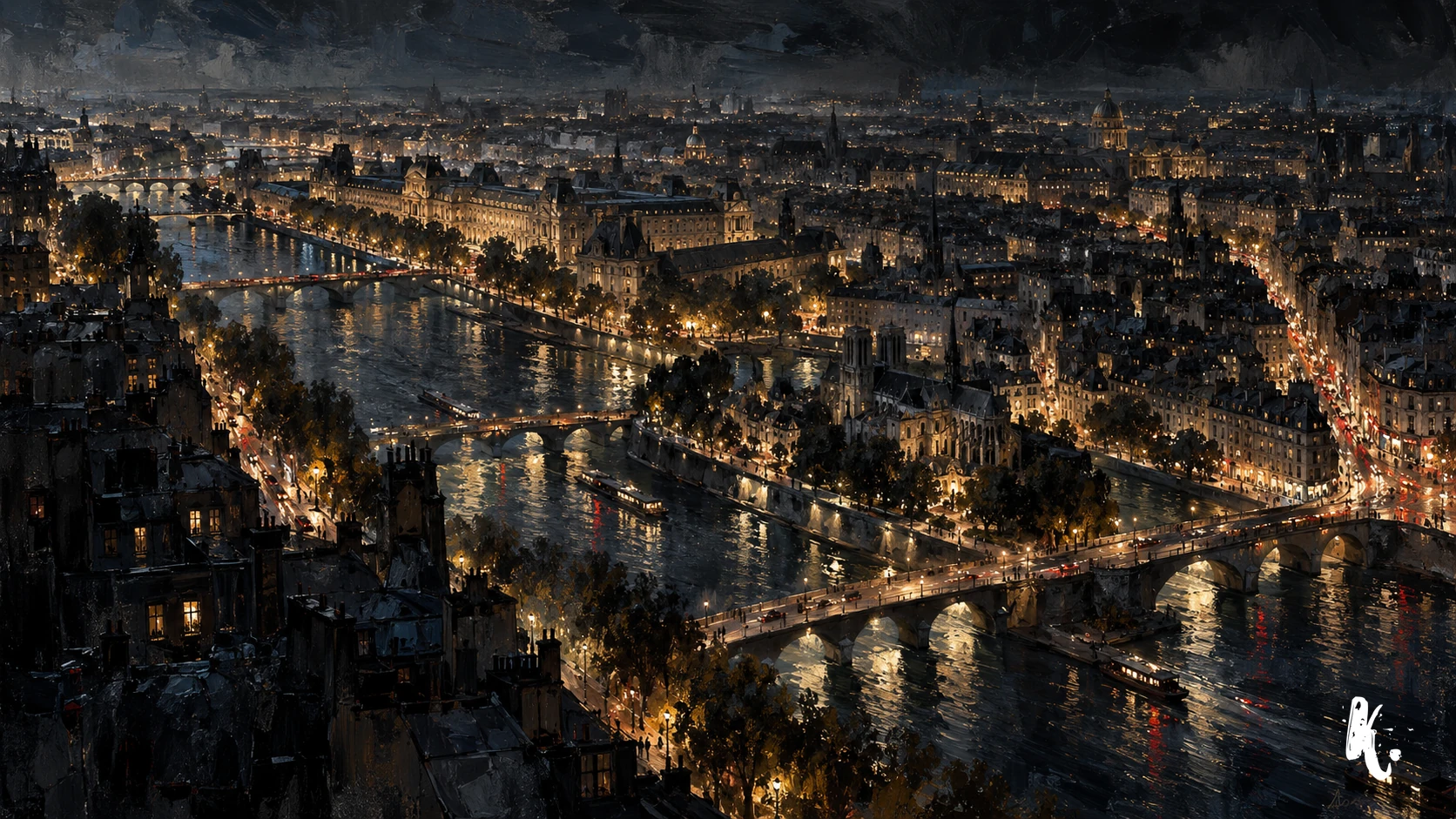
La Cour derives its authority from the fact that Paris displays itself here. The Louvre, Notre-Dame and Sainte-Chapelle are not properties of the Bourg. They are landmarks around which employees, tourists, traders, police officers, contractors and residents circulate. No vampire commands that crowd. One may learn its movements and attract the notice of the right people without becoming visible to everyone.
Reputation works like an account book with no single ledger. An accepted invitation may open a salon; a conspicuous absence may be read as a rebuke. Cultural circles have patrons, technicians, critics and thoroughly human rivalries. Kindred enter them through lasting relationships or passing opportunities. Access granted for one night is not a Domain, and a curator's attention is not an oath of loyalty.
Age exempts no one from present constraints. Institutions preserve buildings and collections, but their staff changes, contracts are renewed and construction alters access. Stone endures; a pass expires. An elder who has known a service stair for a century may find a fire door or a guard merely following instructions.
Lucille owns neither every establishment nor every human network. She answers for the territorial consequences of an evening that becomes public news, a hunt repeated too often or a guest who mistakes an invitation for immunity. A few appearances in La Cour can make a political career. A sequence of photographs can end it.
03 / PARIS
Four arrondissements, four nights
The first: prestige under supervision
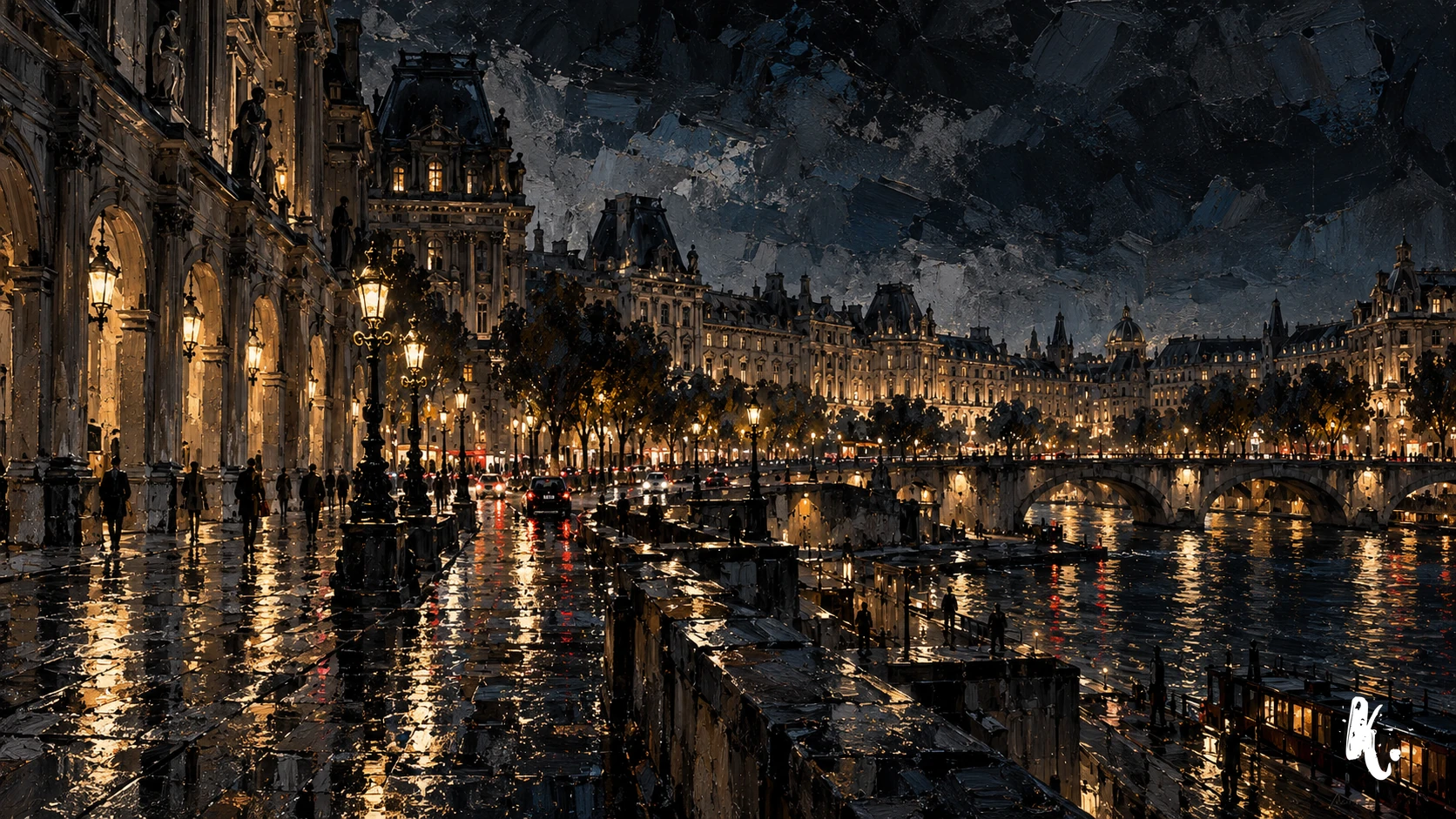
The Louvre gives the first arrondissement a scale difficult to control. A visit, private event or staff movement belongs to a real institution with its own hours and security. The museum was one of the former fixed Elysiums; that belongs to an earlier period. Its present importance lies in the institution's weight, not in a permanent right to convene Kindred there.
The Sainte-Chapelle and the western part of the Île de la Cité bring the night to buildings where heritage imposes its constraints. Vassago's name remains associated with the Sainte-Chapelle. Proximity to a monument does not grant backstage access: guards, visitor staff, maintenance teams and tourists sustain a continuous human life.
Galerie Saint-Loup and Cercle des Orfèvres provide two covers for mobile Elysiums: an opening and a private dinner. Each explains a guest list. Each leaves that list, contracts, receipts and the staff's memories behind.
The second: business after closing time
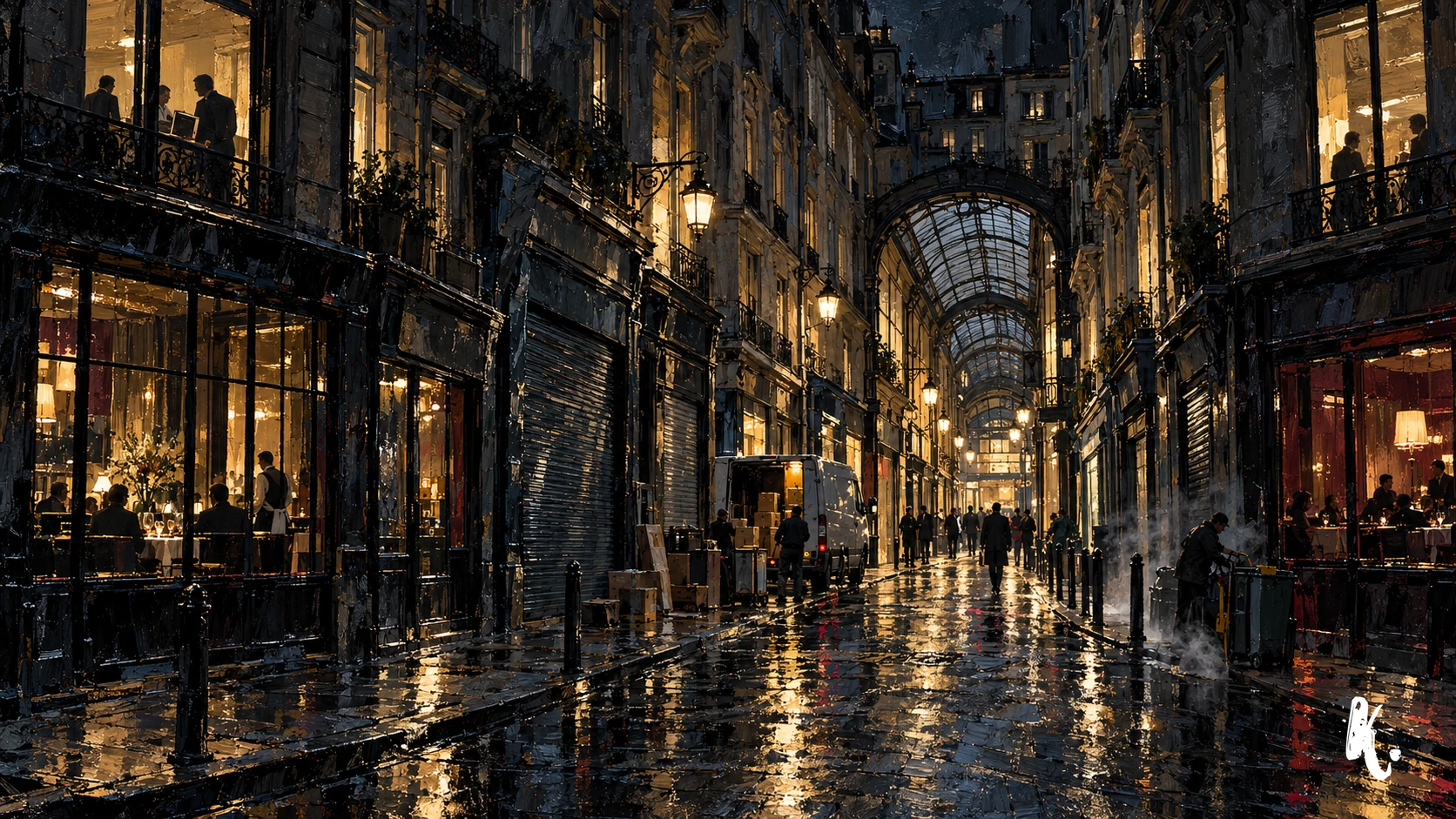
The second arrondissement draws less attention than its monumental neighbours. That does not make it empty. The Bourse, the Sentier and the covered passages belong to a geography of offices, shops, restaurants and movement through old streets. The Passage du Caire remains tied to the garment trade and wholesale commerce. Daytime leaves accounts to close, goods to move and tables to prepare for the evening.
For Kindred, this district offers ordinary reasons to arrive late and leave separately. A business dinner, financial reception or technical shift calls for different clothes and hours. These covers still require consistency: a booking bears a name, a payment leaves a trace, and a closed passage does not open out of habit. Around rue Montorgueil, neighbours and workers recognise one another. A visitor's anonymity is real but brief.
Salons Auberive may receive the Peace of Paris under the cover of a financial reception. A room hired for an evening is enough to raise questions about the lease, the service and who watched the last visitors leave. Such temporary use does not make the Salons a permanent vampiric institution.
The third: display, hire, close
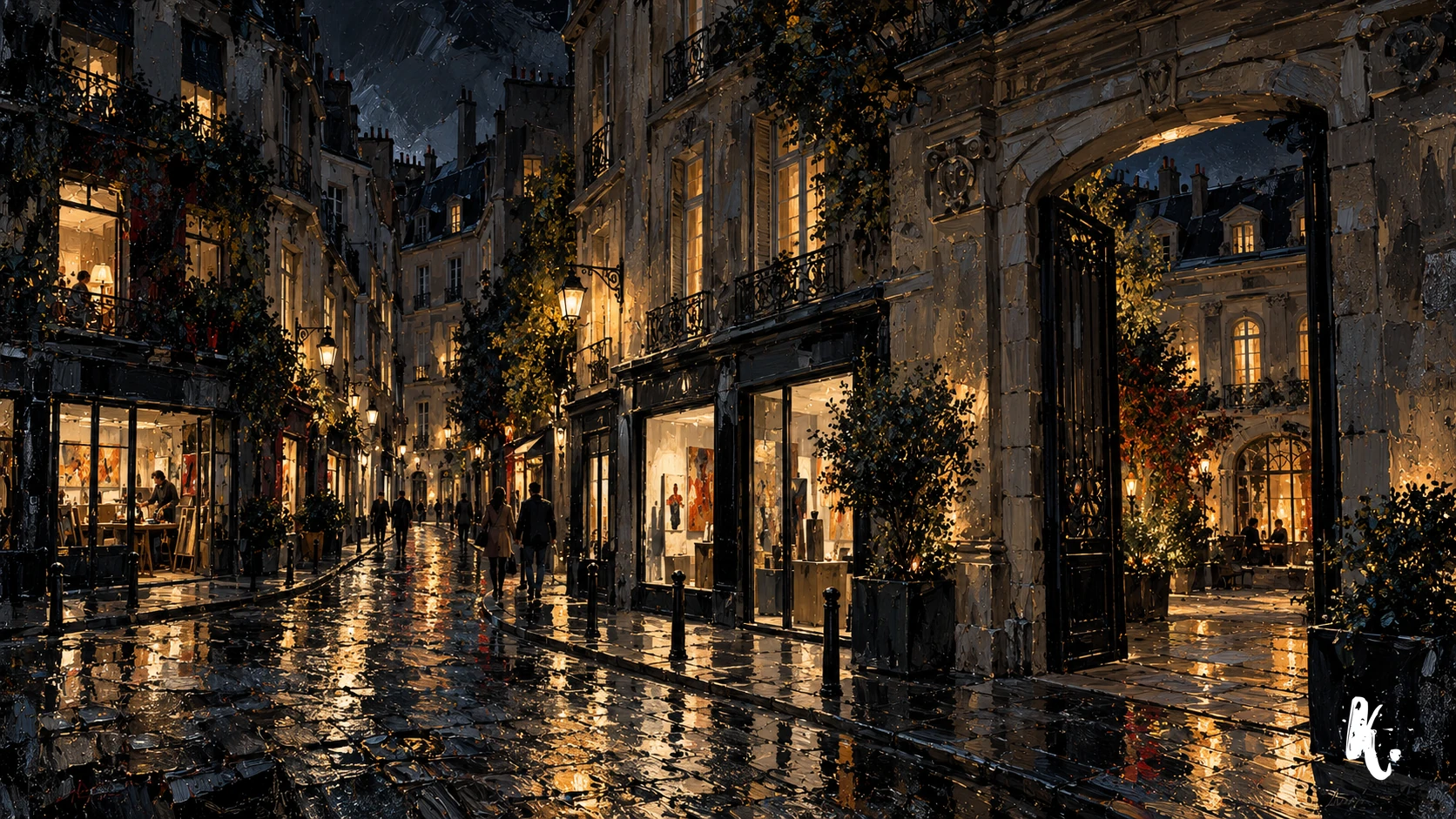
In the third arrondissement, the Marais mixes residents with galleries, workshops and commercial uses of old buildings. An opening involves far more than its artist: shippers, insurers, caterers, owners and neighbours all contribute. Visitors see only a few opening hours; staff know the installation days and the days when an address stays closed without a convincing explanation.
Maison Vautrin may host an Elysium under the cover of a patrons' dinner. A promise of funding, a last-minute change of seating or an early departure may have political consequences for Kindred; the waiters may witness them too. Nothing establishes that the venue hosts the Peace of Paris permanently.
The sudden closure of a Marais mansion left cancellations, technical inspections, equipment being removed and puzzled neighbours. Its address remains unknown: it cannot be placed in either the third or fourth arrondissement, and no vampiric cause is established. Those facts are public; the silence around them offers no explanation.
The fourth: memory and present use
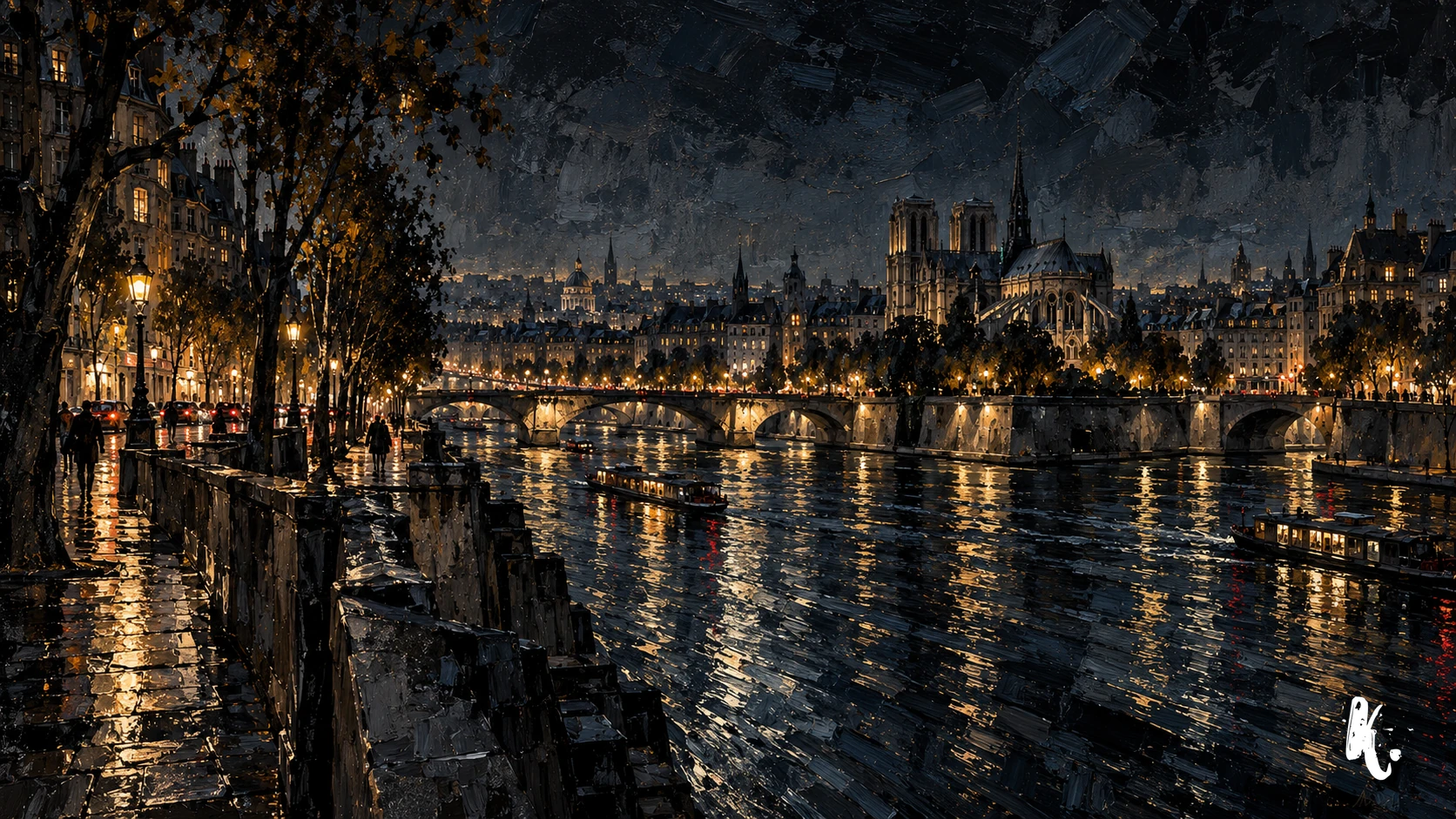
Notre-Dame, the Île de la Cité and the southern Marais give the fourth arrondissement almost constant visibility. Monuments attract visitors; residents, traders and the people who keep the sites running live with that movement. Notre-Dame was once a fixed Elysium, but that period ended in 2017. A film shoot and accounts concerning a rosary have since left public traces without revealing any hidden explanation.
The Atelier des Verrières gives the mobile system the cover of an art presentation. It must contend with the constraints of a room used by contractors: installation, evacuation, neighbours and insurance. A reception that changes hours also affects workers trying to get home. For Héloïse, the question is whether the venue will survive the Kindred's visit without leaving a puzzle for mortals.
At quai de la Tournelle, Le Chansonnier suffered a fire in January, then was sold in March. These public facts establish neither a plot nor a supernatural occupation. A cultural venue changes owners, contracts and perhaps audience; those who knew it try to understand what remains accessible.
04 / Power
Power
Bourgmestre / Toréador
Lucille / DJ WildBlood
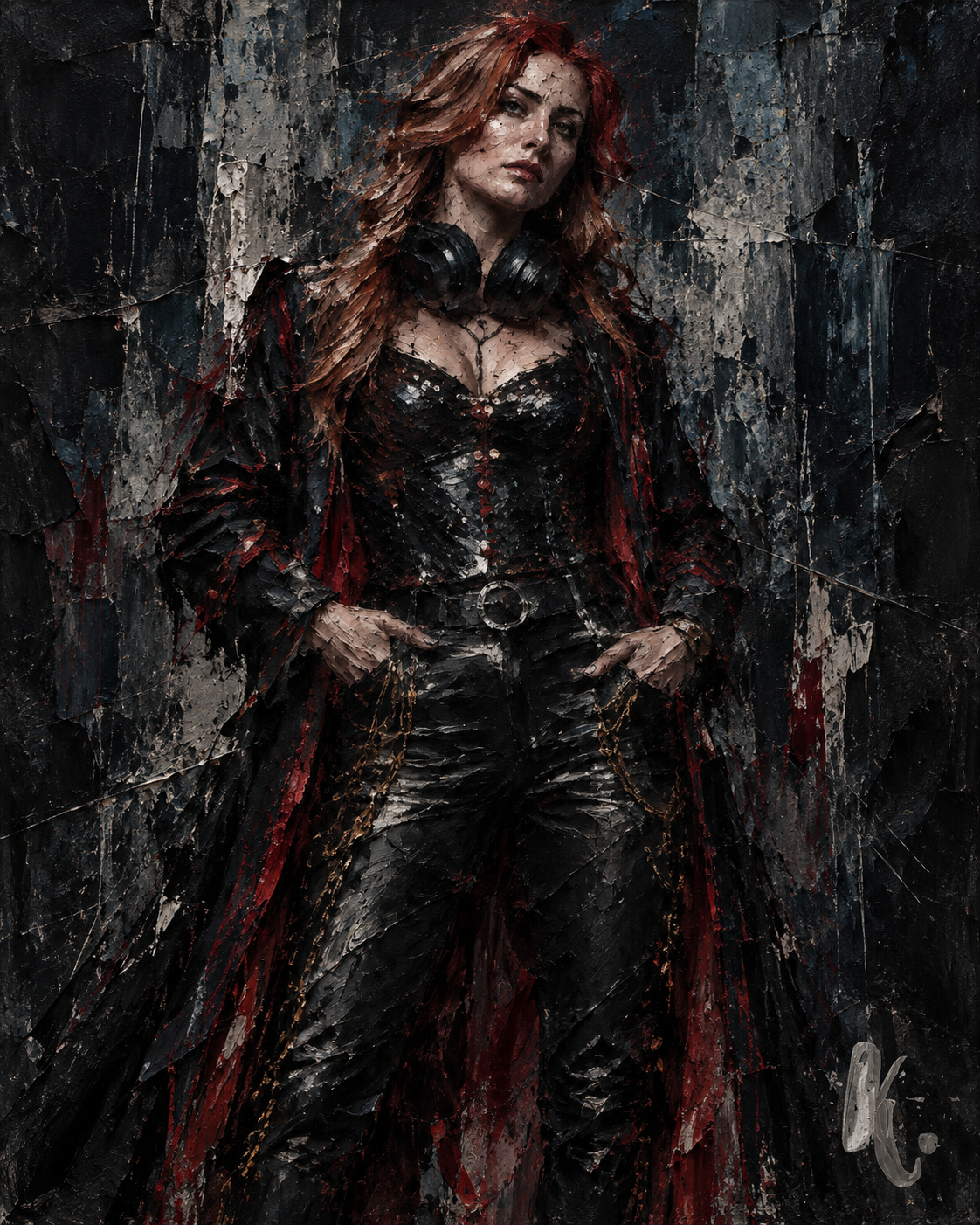
Lucille, known as DJ WildBlood, governs La Cour as a Toreador who understands the reach of a public appearance. She does more than grant permission. Her work is to judge what a Kindred's presence in a visible place means for the Bourg: who invited them, who witnessed their departure and how other vampires will interpret their absence. Reputation travels faster than a formal decision.
Her public method turns on access and attention. An invited person gains standing; someone kept out of the frame can lose more than a seat. But museums, venues and restaurants have human managers. The night borrows space in them; it does not replace their administration. Lucille may have to dissuade an ally from displaying influence because a photographer, a contract or an inspection would make the scene too legible.
Héloïse is not her subordinate. Lucille answers for the territory; the Keeper answers for places temporarily placed under the Peace of Paris. Lucille may want to keep a politically useful invitation. Héloïse may judge that the venue cannot support it. Such disagreement follows from their offices and implies no personal feud.

Guardian / Ventrue
Héloïse Saint-Clair
Héloïse Saint-Clair is a Keeper of Elysium, not a second Bourgmestre. Her responsibility begins when the chosen venue must actually receive guests: access, staff, timetable, exits and human cover. A mobile Elysium requires more than a fine room. It must explain why some people are expected and others are not, and how the evening fits the venue's ordinary business.
Her experience in events, luxury and culture gives shape to that vigilance. Service staff notice when a seating plan changes three times. A security manager remembers contradictory instructions. Héloïse must resolve such discrepancies before they become conversations and then documents. The Peace of Paris protects the vampiric assembly; it does not cancel staff wages or a neighbour's right to complain about noise.
Rotating addresses requires a discipline of departure. Every venue must resume a credible life after the Kindred leave. Galerie Saint-Loup remains a gallery; Salons Auberive return to being hired rooms. If the same cover requires new exceptions every month, Héloïse has a professional reason to object even when Lucille sees political advantage in it.
05 / Life after dark in La Cour
Life after dark in La Cour
La Cour attracts Kindred of several clans without becoming any clan's collective fief. Seventeen names remain associated with the Bourg, including absentees, exiles and historical figures. That number reflects a history of association, not seventeen residents to find tonight between the Louvre and the Marais. A name can carry political weight even when its bearer has not appeared for decades.
Active Kindred enter the territory through several channels: cultural intelligence, social networks, patronage, recruitment or Court mediation. None of those roles gives its holder an entire neighbourhood. Some have ties to Maison Saint-Michel and Basilica; that does not establish a headquarters for either institution in the Bourg. A specific request, refusal and its consequences matter more than a clan's claim to the streets of La Cour.
A gathering can bring together opponents who would have no reason to meet elsewhere. Staff see a reception, dinner or opening. Kindred read the arrival order, the time given to each guest and who escorts someone out. Not every gesture has hidden meaning. That is what makes local politics difficult: misinterpretation can cost as much as indiscretion.
06 / Hunting in La Cour
Hunting in La Cour
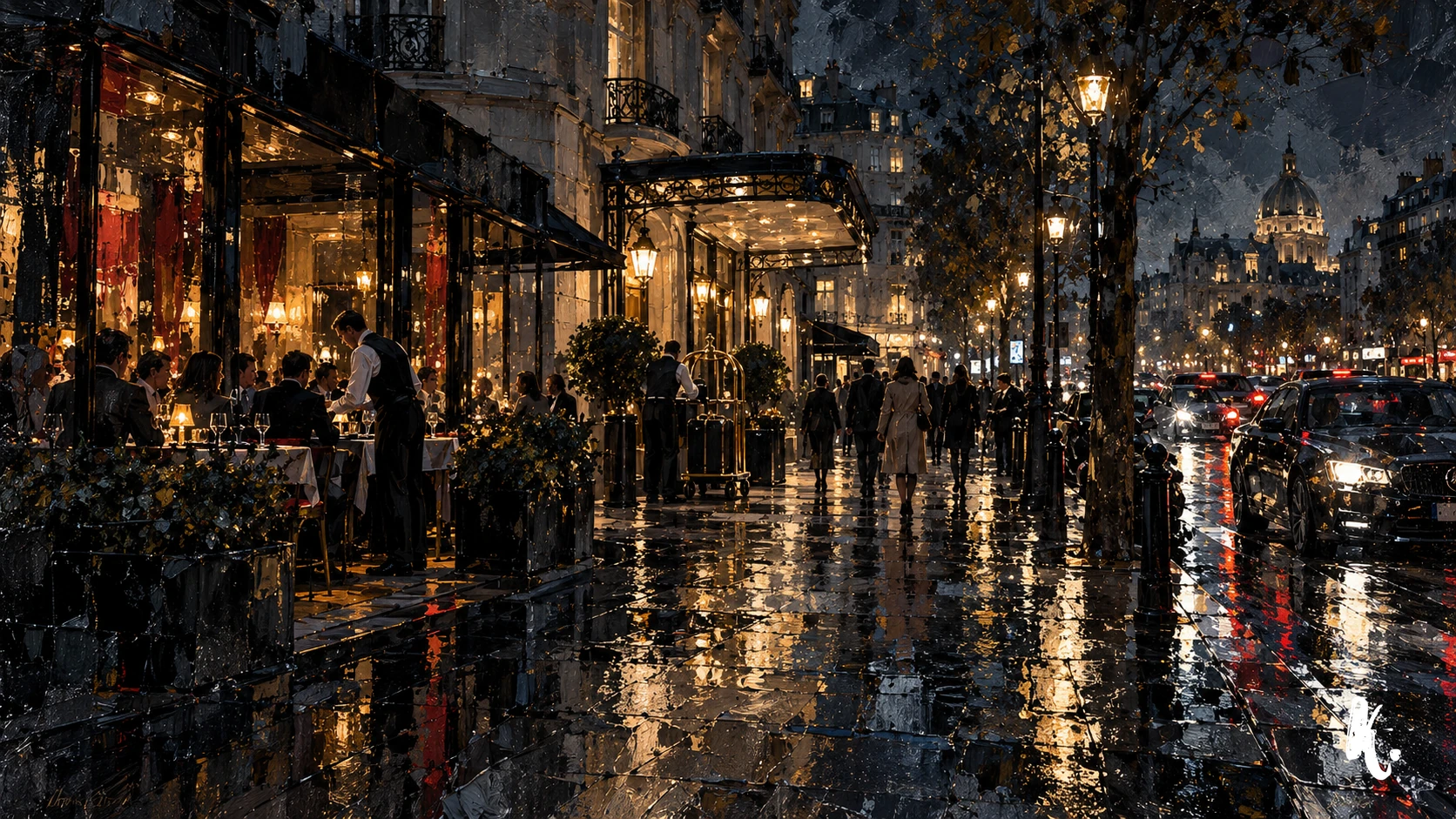
La Cour offers movement without offering erasure. Tourists arrive for a visit and change hotels days later; employees return on the same shifts. A brief encounter may look easy to hide until someone reconstructs a Métro journey, a booking or a photograph posted the next day. A Storyteller can use the difference between an anonymous crowd and administrative memory without turning every hunt into a police operation.
Hotels, restaurants and receptions provide social covers, not reserves of prey. Staff soon distinguish a regular from a visitor. A payment card links a table to a name; a badge links an arrival to a time; a phone may retain an image nobody thought important. The more a hunter relies on one establishment, the more they depend on its workers and the explanations those workers can give.
An opening brings together visitors drawn by an artwork, the artist's friends, possible buyers and contractors finishing a shift. They do not have the same freedom. A driver waits, a waiter has to clear up, a security officer follows instructions. The power imbalance with a working person does not vanish because the evening is fashionable. A hunt exploiting human dependence may succeed at once and leave a complaint, a conspicuous absence or a worried colleague behind.
Mobility matters as much as discretion. The four arrondissements can be crossed on foot, by transit or by car, but each route leaves different evidence: a booked ride, a ticket, a traffic camera, a guard at the entrance. Changing venues without changing methods offers little lasting protection. Returning to the same establishment with different companions may trace a clearer habit than repeating a route.
Money can buy a room, a venue or a service; it cannot buy everyone's silence. An important guest may receive exceptions that later have to be recorded or explained. The Masquerade and the Praxis's hunting rights still apply. No precise division of La Cour into private hunting grounds is established. If someone claims a street, that is their assertion, not a recognised boundary.
Near an Elysium, caution changes character. Guests do not come to hunt, and the Peace of Paris governs their conduct. Mortals may be needed to keep the reception credible; that is not permission to prey on them. The same venue may host an ordinary event the following week. The consequences of a breach may await Kindred as a cancelled contract or an employee who finally asks a question.
D10 / Hunting circumstances
- 01
An opening begins earlier than planned; visitors arrive during preparations.
- 02
The intended contact booked a table under a name the staff know.
- 03
A security check delays everyone at the exit.
- 04
The target is with a colleague who is meant to see them home.
- 05
A photographer covers the reception for a trade publication.
- 06
The last Métro abruptly changes the planned route.
- 07
A named booking is missing from the entrance list.
- 08
Another Kindred seems to frequent the same venue; their rights are unclear.
- 09
A technical closure moves the evening to a more exposed room.
- 10
An employee recognises a face seen at several apparently unrelated events.
07 / INDEX
Places and landmarks
Musée du Louvre
The institution makes every presence visible and verifiable; its former role as a fixed Elysium belongs to history.
Read the place profileThe mysteries of the Louvre: Belphégor returns to the conversationNotre-Dame de Paris
A film shoot and accounts concerning a rosary have left public traces without revealing any secret explanation.
Read the place profileWhere is the Rosaire de Saint-Martin?“Tony Wikxcs, Code Coryphée” films on the forecourt of Notre-DameThe Rosaire de Saint-Martin reappears at Notre-DameSainte-Chapelle
Protected heritage to which Vassago's name remains linked.
Read the place profileÎle de la Cité
A landmark shared by the first and fourth arrondissements, crossed rather than owned.
Read the place profileLe Marais
Residential, cultural and commercial uses overlap; the closure of a mansion there has puzzled neighbours.
Read the place profilePrivate mansion in the Marais closes abruptly after series of cancellationsLe Chansonnier
The barge at quai de la Tournelle suffered a fire, then was sold. No supernatural cause is established.
Fire on the Seine embankment: Le Chansonnier narrowly savedAfter the fire, Le Chansonnier’s owners choose to sell the barge08 / ELYSIUMS
Possible Elysium venues
Before 23 March 2017, the Louvre and Notre-Dame were two of Paris’s five historic fixed Elysiums. Since then, Elysiums have changed venues. The addresses shown here illustrate the kinds of places that may temporarily host the Peace of Paris in La Cour. They are neither an exhaustive list nor a fixed rotation: other venues may be chosen according to the night, circumstances and the needs of the Praxis.
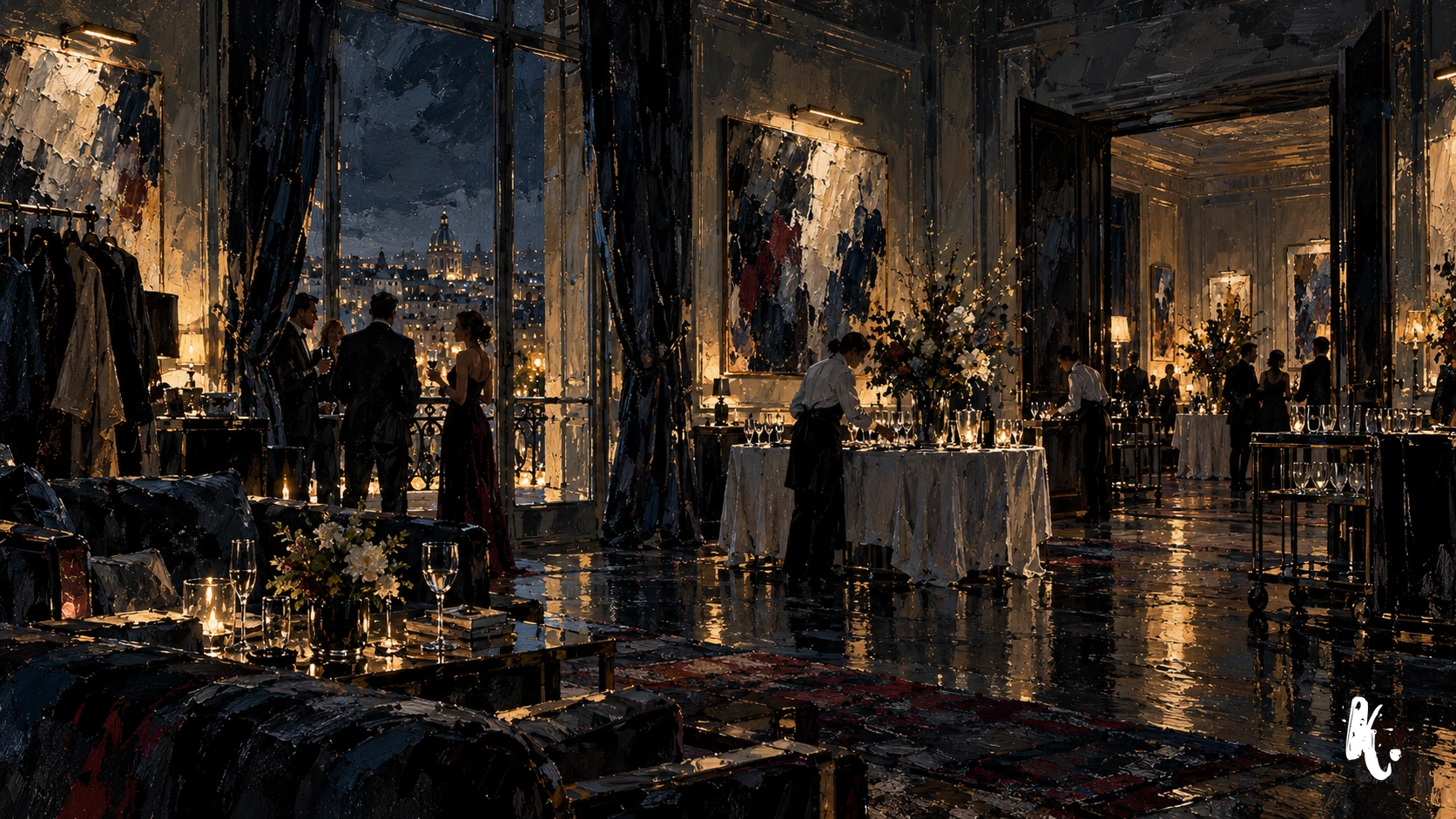
Sample venues, not exhaustive and never all active at once
Galerie Saint-Loup
A gallery where a guest list looks natural.
A small meeting under an artistic cover.
Maison Vautrin
A carefully set table and talk of funding.
Receive guests whose standing must remain legible.
Salons Auberive
A room hired for a single evening.
Temporary reception without claiming a permanent seat.
Atelier des Verrières
Visible installation work and contractors moving through.
Meeting under cover of a cultural event.
Cercle des Orfèvres
Few guests and staff who remember names.
A discreet meeting with limited attendance.
09 / REGISTRE
Kindred associated with the Bourg
Seventeen names remain associated with La Cour, but that proves neither residence nor current presence. Some Kindred wield influence here; absentees and exiles also belong to the Bourg’s memory, but that does not place them here tonight.
 MalkavianÉléonore MarchalActive in the Velours Gris circles
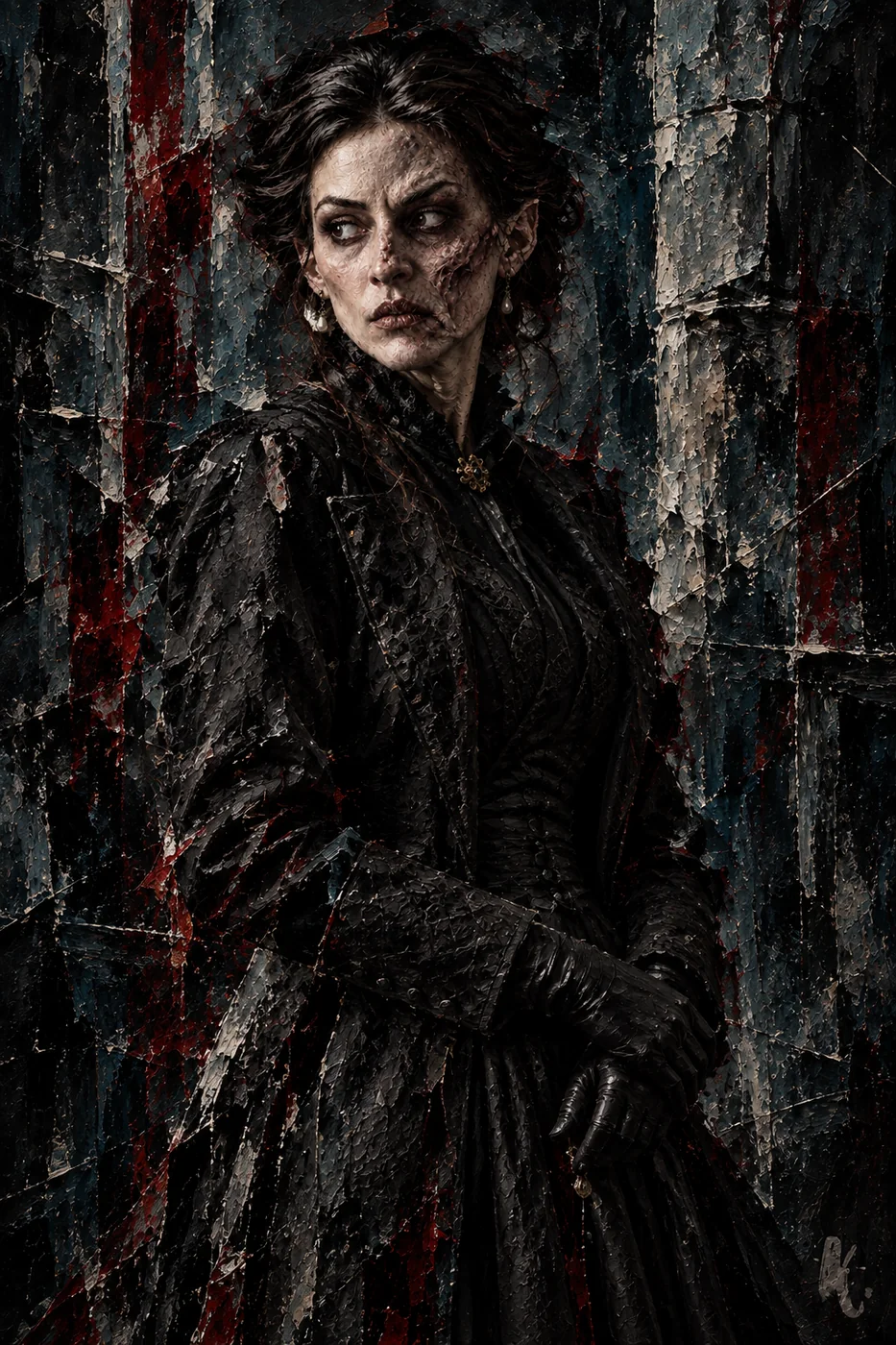 NosferatuMaëlle DervalActive, cultural intelligence
 NosferatuRébeccaActive, connected to the Basilica
 ToréadorAdrien SorelActive in the nights of Succubus Paris
 ToréadorLouis FrémontActive, Court intermediary
 ToréadorTomas VisserInfluential figure of the Maison Saint-Michel
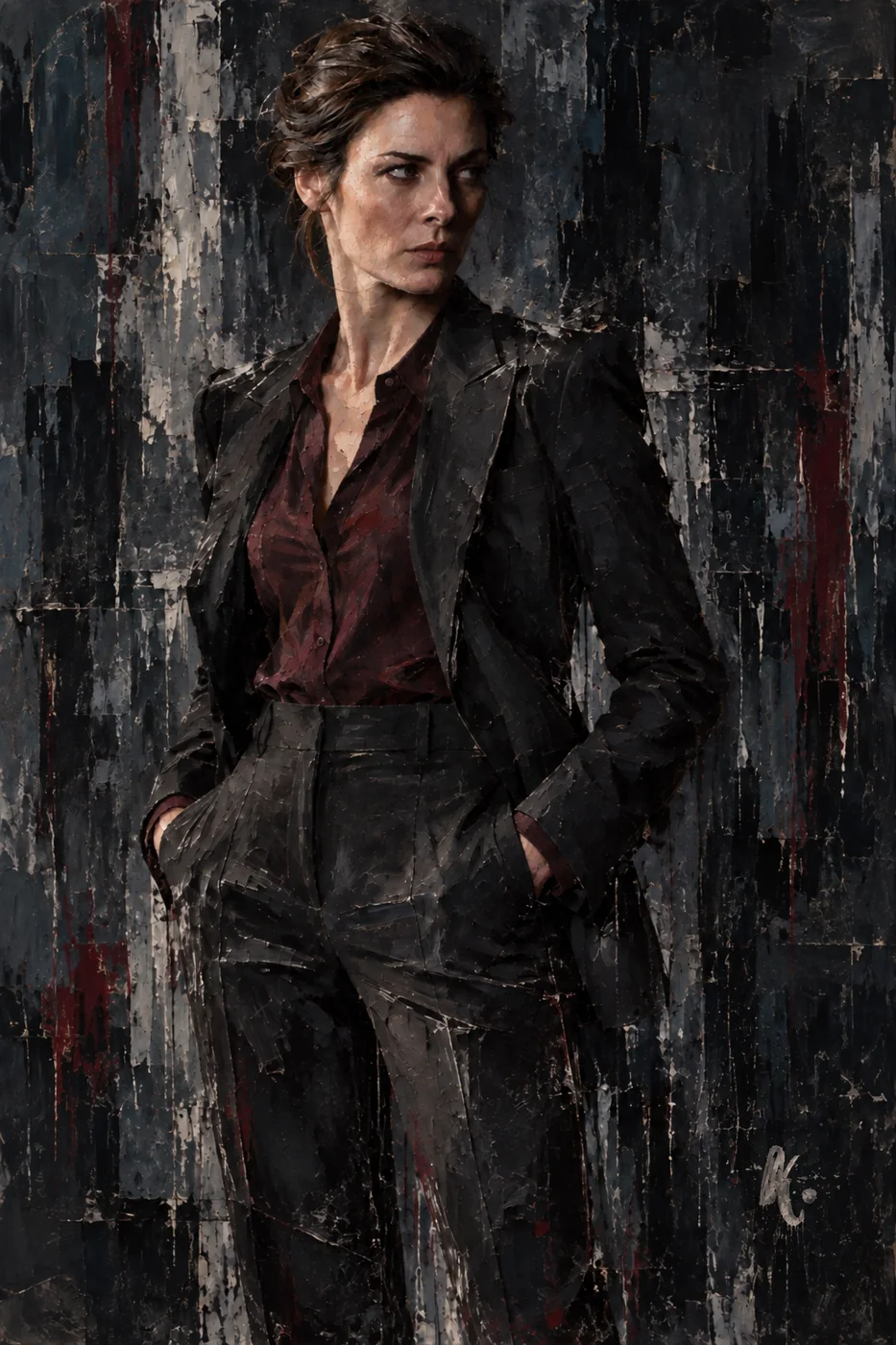 VentrueClémence ValcourtActive, social network
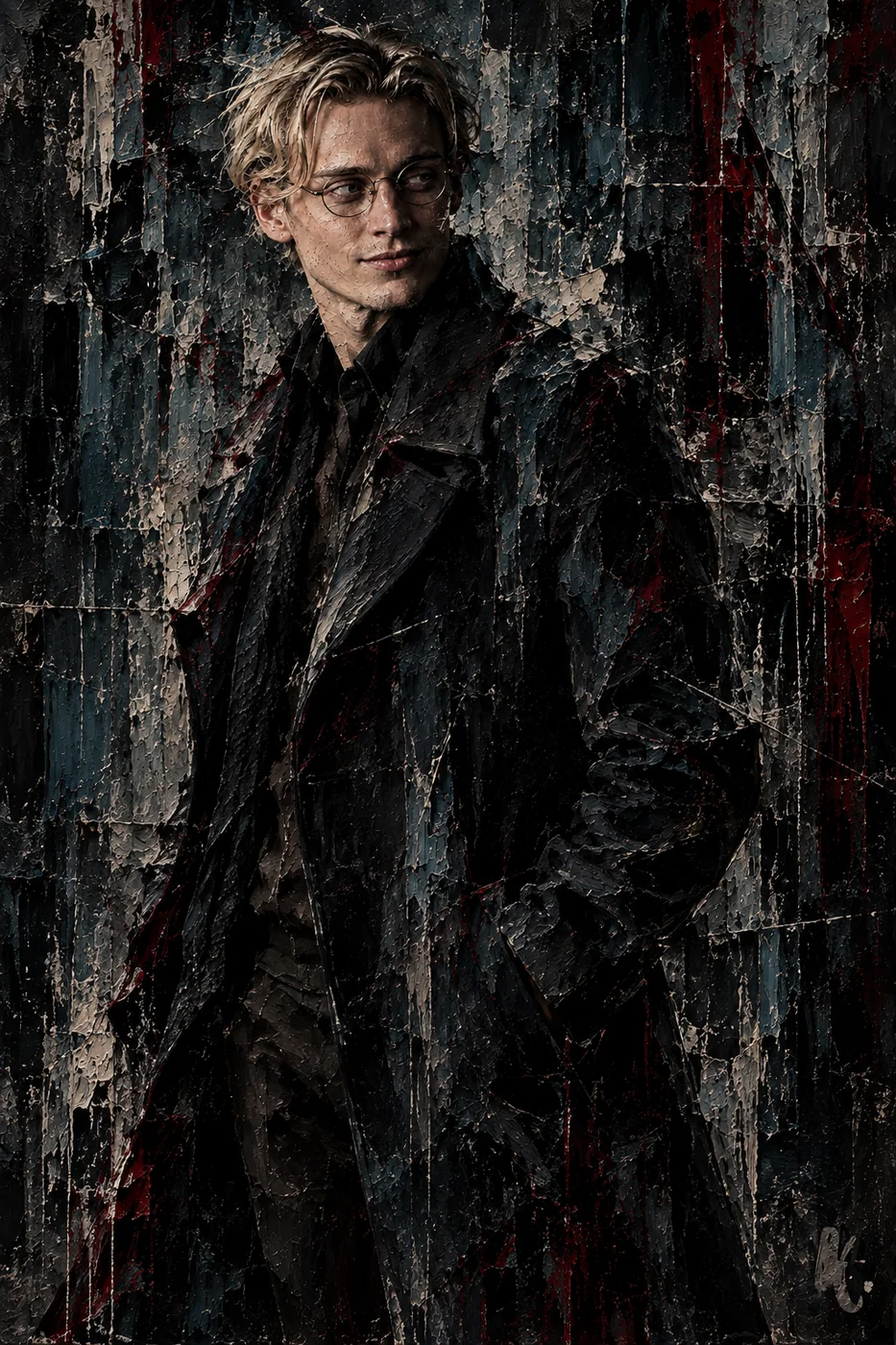 VentrueVictor ChardinActive, recruitment
10 / Institutions and networks
Institutions and networks
The Praxis is present through two distinct offices. Lucille exercises territorial authority. Héloïse protects the Peace of Paris in temporary Elysiums. Neither owns the human institutions whose spaces they may use. Villon's princely Court and the Primogen Council act across Paris; their names do not place their headquarters in this Bourg.
Some Kindred have ties to Maison Saint-Michel and Basilica, but that gives neither institution a local seat or Domain. The Louvre, Notre-Dame and Sainte-Chapelle have entirely human staff, rules and responsibilities. An administrative refusal may carry more weight than a threat delivered in a salon.
11 / ARCHIVES
Traces of the night
Fire on the Seine embankment: Le Chansonnier narrowly saved
A fire badly damages Le Chansonnier, a barge undergoing renovation on quai de la Tournelle.
Public trace“Tony Wikxcs, Code Coryphée” films on the forecourt of Notre-Dame
The Notre-Dame forecourt hosts filming for the fifth instalment in the series about agent Tony Wikxcs.
Public traceThe mysteries of the Louvre: Belphégor returns to the conversation
New accounts posted online revive an old Louvre legend without providing evidence.
Public traceWhere is the Rosaire de Saint-Martin?
Expected after Notre-Dame reopened, the Rosaire de Saint-Martin is still missing.
Public traceThe Rosaire de Saint-Martin reappears at Notre-Dame
The rosary missing since the reopening is found around the neck of the Vierge du Pilier.
Public tracePrivate mansion in the Marais closes abruptly after series of cancellations
A reception venue in the Marais closes with no reopening date after a rush of cancellations.
Public traceAfter the fire, Le Chansonnier’s owners choose to sell the barge
Two months after the fire, Le Chansonnier is sold to the Fondation Hesperis.
Public traceReport on the Seine embankments published after several photographs are withdrawn
A photographic series is published without six images taken around Le Chansonnier.
Public trace12 / Playing La Cour
Playing La Cour
The tensions in La Cour may develop in several directions. None presumes a secret truth or an established historical alliance. Player characters may act as guests, intermediaries, undercover workers or witnesses to a decision; no outcome is imposed.
Current tensions
One invitation too many
- Situation
- A cultural reception wants to admit a politically useful guest who is difficult to explain to mortals.
- Actors
- Lucille, Héloïse, human organisers and guests.
- Why it persists
- The access gained matters to several reputations.
- What may worsen it
- A guest list or image circulates before the event.
- Player character involvement
- The characters must defend, refuse or replace a cover without turning a professional disagreement into a personal feud.
The price of temporary use
- Situation
- Successive contracts for a candidate venue are becoming too similar.
- Actors
- Keeper, rental company, security staff and regular Kindred.
- Why it persists
- Changing venues costs time and sacrifices established access.
- What may worsen it
- A contractor compares two invoices and questions management.
- Player character involvement
- The characters investigate what was seen and negotiate a credible exit.
Who speaks for the Marais?
- Situation
- Several Kindred associated with La Cour claim cultural influence without an established territorial title.
- Actors
- Kindred involved, human intermediaries and the Bourg authority.
- Why it persists
- Each can prove relationships; none can prove ownership of an entire district.
- What may worsen it
- An exclusive invitation denies another person expected access.
- Player character involvement
- The characters must distinguish favour, Domain and mere habit before taking sides.
The Chansonnier accounts
- Situation
- The public sale of the barge after the fire changes contacts and contracts.
- Actors
- New owners, former contractors, neighbours and interested Kindred.
- Why it persists
- The announced cultural project still needs works and permits.
- What may worsen it
- A former supplier demands entry during a private visit.
- Player character involvement
- The characters are asked to verify a right, not to uncover a predetermined supernatural cause.
D10 / Rumours of La Cour
- 01
An invitation from Lucille was reportedly declined without explanation.
- 02
One name has reportedly vanished from three guest lists for similar receptions.
- 03
A Louvre regular supposedly recognises visitors absent from every schedule.
- 04
A room in the second is said to be hired on certain nights without admitting anyone.
- 05
The former owners of Le Chansonnier are said to have left more than furniture behind.
- 06
Héloïse is said to have changed an address on the eve of a reception.
- 07
A Marais patron is said never to attend the openings they fund.
- 08
A night guard is rumoured to keep private copies of deleted photographs.
- 09
Salons Auberive are said to have hosted a meeting nobody will date.
- 10
The person most often speaking for La Cour is said never to sleep there.
D10 / Incidents in La Cour
- 01
A delivery reaches the wrong door during a meeting.
- 02
A venue owner demands an immediate inventory after an event.
- 03
A visitor posts a seating plan with visible names in real time.
- 04
A fire alarm empties a building without an actual fire.
- 05
A worker demands overtime pay in front of the guests.
- 06
A film crew receives permission to use the planned route.
- 07
A misplaced phone rings in a reserved room.
- 08
Police ask the last customers of a restaurant for statements.
- 09
A driver refuses to leave before finding their passenger.
- 10
A security officer recognises someone supposedly out of the country.
Story hooks
The amended list
- Situation
- Two versions of a guest list circulate before an opening.
- Problem
- One person is missing from the copy given to security.
- Actors
- Lucille, human organiser and affected guests.
- Complication
- Both lists carry credible approvals.
- Open question
- Who will sign the version that is kept?
A room returned too late
- Situation
- A private reception runs beyond its hire period.
- Problem
- The morning crew must enter before the traces are cleared.
- Actors
- Héloïse, manager and technical crew.
- Complication
- Postponing the work would cost someone their wages.
- Open question
- What can be repaired without passing the cost to mortals?
The final booking
- Situation
- A hotel in the second confirms a booking under an absent person’s name.
- Problem
- A receipt links the room to a nocturnal meeting.
- Actors
- Receptionist, guest and the Kindred concerned.
- Complication
- The real customer asks to see their records.
- Open question
- Who used the identity, and who can still settle the debt it created?
The barge changes hands
- Situation
- Le Chansonnier prepares to reopen after the fire and sale.
- Problem
- A former contractor claims access that the new owner disputes.
- Actors
- Purchasing foundation, contractor and neighbours.
- Complication
- A cultural visit is announced before inspections end.
- Open question
- Is the dispute about a contract, a memory of the venue or both?
A face in the series
- Situation
- Photographs of different events are assembled into a feature.
- Problem
- The same face appears at several meetings without an obvious public reason.
- Actors
- Editors, photographer and photographed Kindred.
- Complication
- Requesting removal may attract more attention.
- Open question
- Should they allow publication, correct the record or explain?
The empty seat
- Situation
- A patrons’ table keeps a place for a guest who does not arrive.
- Problem
- Their absence is interpreted as a political decision.
- Actors
- Maison Vautrin, guests and Lucille’s intermediaries.
- Complication
- The guest may have an ordinary human reason that cannot be checked before dinner ends.
- Open question
- Who will speak for them, and with what authority?